


Wild Trail Hiker is reader-supported. We may earn a commission when you buy through links on this page, at no extra cost to you. We only recommend products we’d consider taking on a multi-day trip ourselves.
Most ultralight backpacks look good when they are empty. Pick one up in a shop and it feels like cheating. Light fabric. Simple frame. No wasted bulk.
The truth shows up on day three, when your food bag is still heavy, your shoulders are tired, and the track has turned into slow climbing rather than easy cruising. A pack that saved 500 grams at home can cost you more than that in discomfort if it cannot carry the load properly.
Ultralight backpack mistakes usually show up as:
- Shoulder fatigue: the hipbelt does not transfer enough load.
- Poor structure: the pack collapses when food and water are unevenly packed.
- Fragile pockets and fabric: scrub, rock, and repeated stuffing wear things out fast.
- Too little volume: your sleep system, shelter, and food do not fit cleanly.
This guide is for hikers trying to cut weight without turning a multi-day hike into a pack-fit experiment. For the full gear system around your pack, start with Multi-Day Hiking Gear: What You Actually Need.
How We Picked
We looked at ultralight backpacks from the wide range currently available, focusing on: carry comfort under real trail loads, usable volume for multi-day gear, frame support and hipbelt transfer, durability across rough terrain, and ventilation for warm-weather hiking. The list leans toward genuine backpacking packs rather than travel packs, fashion-light packs, or fragile frameless sacks that only work for highly disciplined ultralight hikers.
Quick Picks
| Slot | Product | Why It Stands Out |
|---|---|---|
| Best Overall | Osprey Exos 58 | The safest balance of low weight, ventilation, and real load support |
| Best for Thru-Hiking | Granite Gear Crown3 60 | Modular, roomy, and suited to hikers who tune their setup carefully |
| Best Comfort Pick | Gregory Focal 58 | A good transition pack for hikers moving down from heavier traditional packs |
| Best Minimalist Pack | Black Diamond Beta Light 45 | Light, streamlined, and better for experienced hikers with compact gear |
| Best Ultralight Framed Pack | Osprey Levity 45 | Near-frameless weight with just enough structure for experienced light hikers |
Who This Is For
This guide is for:
- Multi-day hikers who want to reduce pack weight without losing basic comfort.
- Hikers carrying roughly 7 to 12 kg before water on most trips.
- People with compact shelter, sleep, and cooking systems already in place.
- Thru-hikers, section hikers, and overnight hikers who want a lighter carry without going fully frameless.
If you are still carrying a heavy tent, bulky sleeping bag, camp extras, and several days of food, start with a more forgiving pack. The Backpacks category has broader options for heavier hiking loads.
Why Ultralight Packs Fail on Multi-Day Hikes
A pack can be light and still be wrong for the trail.
- Food weight changes everything: your pack might feel fine at home, then feel overloaded with three to five days of food inside.
- Water carries punish weak frames: a long dry stretch can add two or three extra kilos. Frameless packs are rarely forgiving when this happens.
- Volume matters as much as weight: a 45 litre pack only works if the rest of your kit is compact. Otherwise, you end up strapping gear outside, which ruins balance.
- Comfort declines over time: a shoulder strap that feels fine for two hours can become a problem after three full days.
The right ultralight backpack is not the lightest one. It is the lightest one that still carries your real trail load well.
The Safest Bet
The Osprey Exos 58 is the safest choice for most hikers because it does not demand a perfect ultralight system before it becomes useful. It is light enough to make a clear difference compared with a traditional multi-day pack, but still supportive enough for ordinary overnight and multi-day loads.
1. Osprey Exos 58: Best Overall
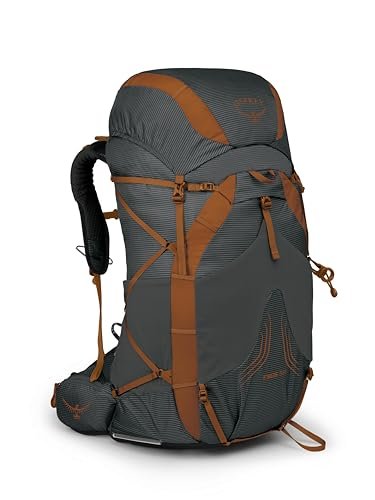
The Osprey Exos 58 is the pack to pick when you want to go lighter but do not want the pack to become the weak point in your system. It is not the most aggressive ultralight option, but that is the point. The frame, hipbelt, and ventilated back panel make it more forgiving when your load creeps upward with food, water, or cold-weather gear. For many hikers, this is the pack that makes ultralight feel practical rather than fragile.
Best for: Most multi-day hikers cutting weight for the first time.
Why it stands out: Strong comfort-to-weight balance, good ventilation, and enough structure for real trail loads.
2. Granite Gear Crown3 60: Best for Thru-Hiking
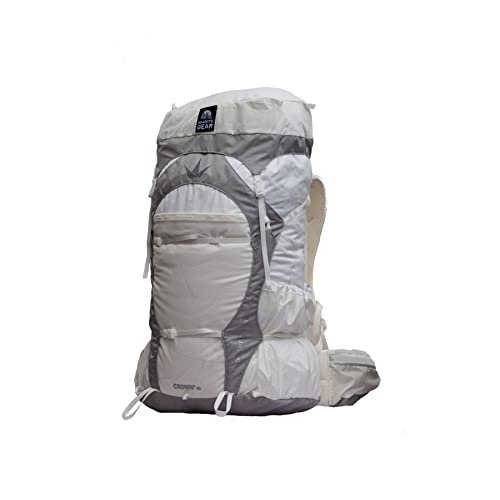
The Granite Gear Crown3 60 is a better fit for hikers who like to adjust their setup by trip. It has more of a long-distance hiking personality than a beginner pack personality. The appeal is the combination of volume, low weight, and removable structure. That makes it useful for thru-hikers and experienced trekkers who know when to keep support and when to strip weight. It is less set-and-forget than the Exos, but more adaptable.
Best for: Thru-hikers, section hikers, and experienced trekkers.
Why it stands out: Strong weight-to-volume ratio with a modular design that rewards careful packing.
3. Gregory Focal 58: Best Comfort Pick
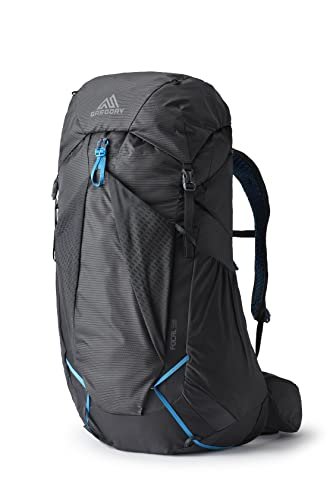
The Gregory Focal 58 suits hikers who want to reduce weight but still care more about comfort than spreadsheet numbers. It is the kind of pack that makes sense if you are moving down from a heavier framed backpack and do not want to lose the supportive feel in one jump. It is not the harshest ultralight option, and that works in its favour. For rougher trips, mixed terrain, and hikers who know their shoulders complain early, the Focal is a sensible choice.
Best for: Comfort-first hikers moving into lighter backpacking gear.
Why it stands out: More forgiving carry feel than many stripped-back ultralight packs.
4. Black Diamond Beta Light 45: Best Minimalist Pack
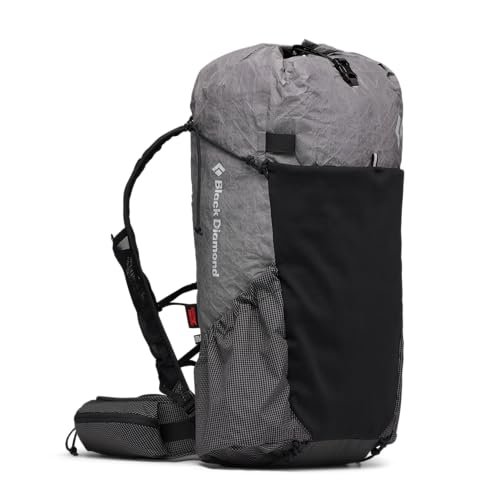
The Black Diamond Beta Light 45 is for hikers who already have compact gear and know how to pack it. The 45 litre volume is not generous if your sleeping bag, tent, and food system are bulky. But for a dialled-in setup, it offers a clean, fast-moving carry with fewer dangling extras and less unnecessary structure. The weather-resistant build and roll-top design also make sense for exposed trips where you want simplicity and fewer failure points.
Best for: Minimalist hikers with low-volume gear and lower base weights.
Why it stands out: Streamlined design, light build, and enough trail practicality for experienced users.
5. Osprey Levity 45: Best Ultralight Framed Pack
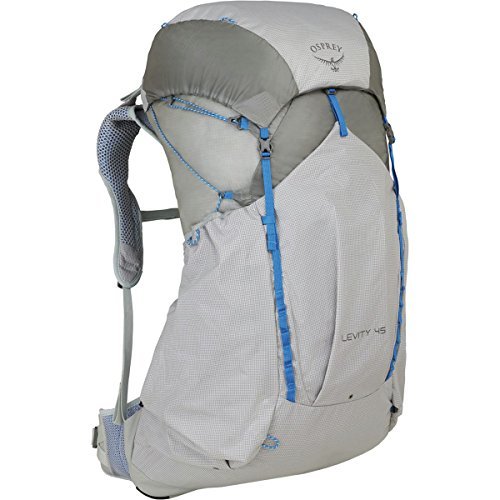
The Osprey Levity 45 sits at the far end of the framed pack spectrum, close to frameless weight but with just enough structure to carry a light load without the pack folding in on itself. It is not a beginner pack. It rewards hikers who have already cut their base weight and know how to distribute a load. For those hikers, it delivers real weight savings that a more conservative pack simply cannot match.
Best for: Experienced hikers with well-optimised gear and sub-10 kg base weights.
Why it stands out: Near-frameless weight with enough structure to avoid the worst frameless discomforts.
How to Choose an Ultralight Backpack
Start with your real total load
Do not choose a pack based only on base weight. Food, water, fuel, rain gear, and cold-weather layers are the things that turn a light pack into an uncomfortable one. If your full carry often pushes above 12 kg, choose structure before chasing grams.
Match volume to your gear, not your ambition
A 45 litre pack only works when the rest of your gear is compact. If you are still using a bulky sleeping bag or larger tent, a 55 to 60 litre pack is usually smarter. Empty space compresses. Gear strapped outside usually creates problems.
Be honest about your experience level
Frameless or near-frameless packs work best for hikers who pack consistently and keep loads low. If you are still refining your kit, choose a pack with a proper frame and hipbelt.
Do not ignore fit
Torso length, shoulder strap shape, hipbelt comfort, and back-panel ventilation matter more than small weight differences. A slightly heavier pack that fits properly will usually beat a lighter pack that bruises your shoulders.
Simple decision aid:
- Choose the Osprey Exos 58 if you want the safest all-round pick.
- Choose the Granite Gear Crown3 60 if you are building a thru-hiking style setup.
- Choose the Black Diamond Beta Light 45 only if your gear is already compact and light.
- Choose the Osprey Levity 45 if you have a fully optimised lightweight system and want to push weight lower.
Final Thoughts
Ultralight backpacks are worth considering once the rest of your gear is under control. They can make long climbs, hot days, and repeated multi-day trips feel easier. But the pack still has to carry your real trail load, not your ideal one.
For the broader gear system, read Multi-Day Hiking Gear: What You Actually Need. For related choices, see Best Lightweight Daypacks and Best Trekking Poles for Multi-Day Hiking.
Frequently Asked Questions
What size ultralight backpack is best for multi-day hiking?
For most hikers, 55 to 60 litres is the safest range for multi-day hiking. It gives enough room for shelter, sleep gear, food, layers, and water without forcing gear outside the pack. A 40 to 45 litre pack can work, but only if your entire setup is already compact.
Are frameless ultralight backpacks comfortable?
Frameless packs can be comfortable with very low loads and careful packing. They are less forgiving once you add several days of food or extra water. For most hikers moving into ultralight gear, a lightweight framed pack is the better first step.
Is the lightest backpack always better?
No. The lightest backpack is only better if it still carries your real load comfortably. A pack that saves 400 grams but transfers weight poorly can feel worse after a full day than a slightly heavier pack with better structure.
Can beginners use ultralight backpacks?
Yes, but beginners should avoid going too minimalist too soon. A forgiving lightweight framed pack is usually smarter than a frameless pack. It gives you weight savings without requiring a perfectly refined gear system from the first trip.
