

Last updated: May 2026
Wild Trail Hiker is reader-supported. We may earn a commission when you buy through links on this page, at no extra cost to you. We only recommend products we’d consider taking on a multi-day trip ourselves.
Most insulated boots feel reassuring when you first put them on. Warm lining. Chunky sole. Big winter energy.
The problem shows up three hours into a cold trail day, when your socks are damp, your toes are cooling down, and the boot that felt bombproof in the shop now feels heavy, clumsy, or too warm for the pace you are actually walking.
For multi-day hiking, insulated boots need to do more than keep your feet warm in a car park. They need to manage:
- Cold starts and wet finishes, when snow, slush, or frozen mud keeps attacking your feet.
- Long hours under load, where a bulky boot can start to punish your calves and hips.
- Traction on mixed winter terrain, not just soft snow.
- Moisture build-up, because sweat inside a warm boot can become cold later.
This guide is for hikers who need real winter protection without turning every step into a trudge. For a broader kit framework, start with Multi-Day Hiking Gear: What You Actually Need.
How We Picked
Every boot in this guide is built for real cold-weather use: insulated, waterproof, and suited to trail conditions rather than car parks or resort walks. The selection covers warmth, winter traction, boot height, and support under a loaded pack, with a focus on boots that will still make sense after several days on the trail.
Quick Picks
| Slot | Product | Why It Stands Out |
|---|---|---|
| Best Overall | KEEN Revel IV Mid Polar Waterproof | Best balance of warmth, weather protection, and hiking comfort |
| Best for Icy Trails | Merrell Coldpack 3 Thermo Mid Waterproof | Strong winter traction focus with low-bulk insulation |
| Best Value | Columbia Bugaboot III | Warm, waterproof, and often easier to justify on price |
| Best Lightweight Feel | Salomon X Ultra Snowpilot Waterproof | More agile than most traditional winter boots |
| Best for Deeper Snow | KEEN Revel IV High Polar Waterproof | Higher coverage for snowier and colder conditions |
Who This Is For
This guide is for you if:
- You hike in cold, wet, snowy, or shoulder-season conditions.
- You want winter warmth but still need a boot that walks properly.
- You carry a daypack or overnight pack on uneven winter trails.
- You are choosing boots for snow, slush, frozen mud, or cold alpine approaches.
If you mostly hike in mild conditions, insulated boots may be too warm. A standard waterproof boot from our best lightweight hiking boots guide may be the better call.
Why Insulated Boots Matter More on Multi-Day Trips
Cold-weather boot mistakes compound fast when you are out for more than one day.
- Wet insulation becomes a problem overnight. A damp boot can feel manageable during the day, then turn miserable when you put it back on cold the next morning.
- Too much boot costs energy. Heavy, stiff winter boots can fatigue your legs faster, especially when you are carrying a pack.
- Traction matters more when you are tired. Late-day slips on hard-packed snow or frozen trail are often caused by fatigue as much as poor footing.
- Sock fit changes everything. A boot that feels fine with thin socks may pinch with winter-weight hiking socks, reducing circulation and making your feet colder.
The safest choice is not always the warmest boot. It is the boot that keeps your feet warm enough while still letting you hike efficiently.
The Safest Bet
For most hikers, the KEEN Revel IV Mid Polar Waterproof is the easiest starting point. It is warm, weather-ready, supportive, and not as clumsy as many heavy winter boots. Choose the higher version only if you regularly deal with deeper snow or colder conditions.
Best Insulated Hiking Boots
1. KEEN Revel IV Mid Polar Waterproof: Best Overall
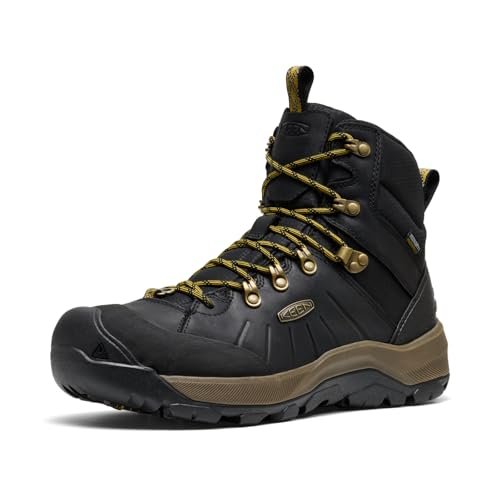
The KEEN Revel IV Mid Polar Waterproof is the most balanced boot in this lineup. KEEN positions it as a winter hiker with 200g insulation, waterproof protection, heat-trapping material underfoot, and snow-focused traction. That combination makes it a sensible pick for hikers who want one boot for cold trail days, slushy approaches, and light snow travel without moving into a huge expedition-style winter boot.
Best for: Hikers who want one dependable winter hiking boot.
Why it stands out: It has enough warmth for real winter use while still feeling like a boot made for walking.
2. Merrell Coldpack 3 Thermo Mid Waterproof: Best for Icy Trails
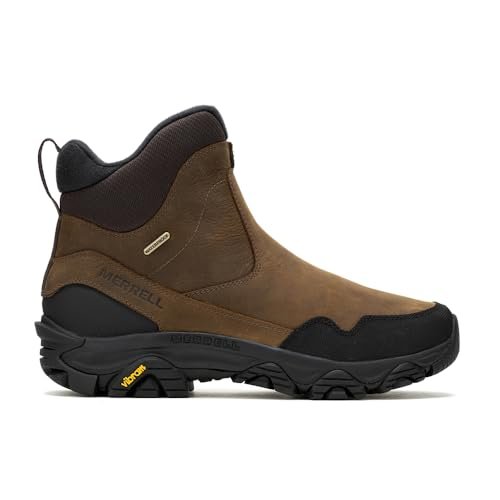
The Merrell Coldpack 3 Thermo Mid Waterproof is the boot to consider first if grip is your biggest concern. Merrell lists it with a waterproof leather and mesh upper, a waterproof membrane, 200g synthetic insulation, and Solarcore Aerogel underfoot for added warmth without excessive bulk. That makes it useful for hikers who face frozen paths, hard-packed snow, wet winter trails, and cold town-to-trail days.
Best for: Winter hikers who prioritise traction and waterproof protection.
Why it stands out: It focuses on cold-ground warmth and stability without feeling like a traditional snow boot.
3. Columbia Bugaboot III: Best Value
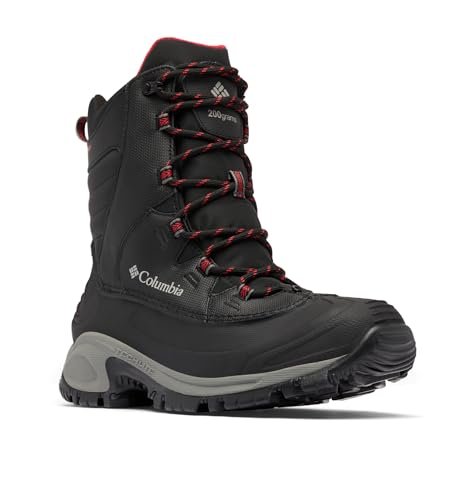
The Columbia Bugaboot III is the practical value pick. It has a more traditional winter-boot feel than the lighter options here, but that is part of the appeal. Columbia lists the boot with a waterproof leather upper, 200g insulation, cushioned TechLite midsole, and Omni-Grip outsole. It is a good match for hikers who want warmth, waterproofing, and snow-ready durability without paying premium winter-hiking-boot money.
Best for: Budget-conscious hikers who still need proper cold-weather protection.
Why it stands out: It gives you a lot of winter boot for the money.
4. Salomon X Ultra Snowpilot Waterproof: Best Lightweight Feel
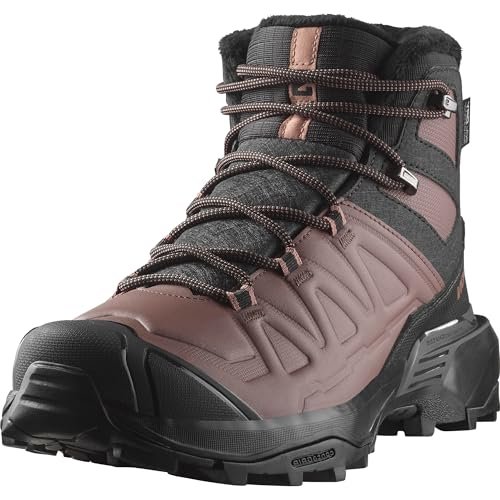
Some insulated boots feel like they are fighting your stride. The Salomon X Ultra Snowpilot Waterproof is a better fit if you want winter protection with a more athletic feel. Salomon positions the Snowpilot as a winterised member of the X Ultra family, with waterproof protection, warm recycled-polyester insulation, and snow-focused traction. It is not the burliest boot here, but it is one of the easiest to like if you move quickly.
Best for: Fast hikers, day hikers, and people who dislike clunky boots.
Why it stands out: It feels more like a winter hiking shoe than a heavy snow boot.
5. KEEN Revel IV High Polar Waterproof: Best for Deeper Snow
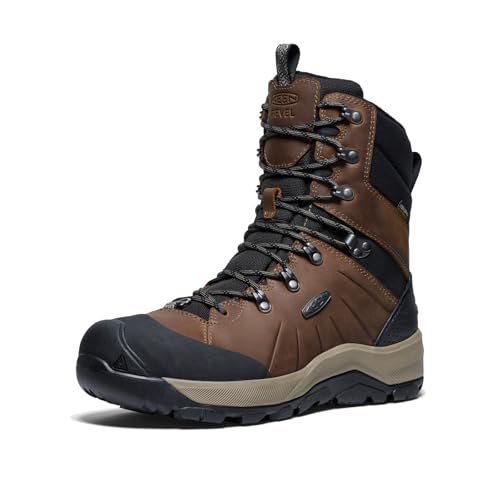
The KEEN Revel IV High Polar Waterproof takes the same basic winter-hiking logic as the mid version and adds more coverage. That matters if you are often pushing through deeper snow, hiking in colder conditions, or using gaiters and waterproof pants in properly messy weather. It is heavier and less versatile than the mid, but the extra height gives you more protection when the trail stops looking like a trail.
Best for: Snowier hikes, colder trips, and hikers who prefer taller winter boots.
Why it stands out: It adds winter confidence where the mid-height boot can start to feel exposed.
How to Choose Insulated Hiking Boots
Match warmth to your real conditions
Do not buy the warmest boot by default. If you mostly hike in cool rain or light frost, a fully insulated winter boot may make your feet sweat. That sweat can become a cold-weather problem later.
Prioritise waterproofing for snow and slush
In winter, wet feet become cold feet quickly. Look for a proper waterproof membrane, a water-resistant upper, and enough boot height to keep slush from spilling over the collar.
Take traction seriously
Insulation protects your toes. Traction protects the rest of you. If you hike on hard-packed snow, frozen paths, or icy timber steps, outsole performance should be a major part of the decision.
Try them with your real socks
Winter socks change fit. A boot that is snug in thin socks may be too tight with thicker hiking socks, which can reduce circulation and make your feet colder. See our guide to the best hiking socks before you lock in sizing.
Choose the KEEN Revel IV Mid Polar Waterproof if you want the safest all-rounder. Choose the Merrell Coldpack 3 Thermo Mid Waterproof if traction is the priority. Choose the Columbia Bugaboot III if value matters. Choose the Salomon X Ultra Snowpilot Waterproof if you want a lighter feel. Choose the KEEN Revel IV High Polar Waterproof if snow depth is the problem.
Buying gear for your next trip? Most of the products in this guide ship in two days with Amazon Prime. Try Prime free for 30 days if you do not already have a membership.
Final Thoughts
Insulated hiking boots are worth buying when winter conditions are real enough to punish normal hiking boots. The trick is not to chase maximum warmth. It is to find the boot that keeps your feet warm, dry, and stable without draining your legs over long trail days.
For most hikers, the KEEN Revel IV Mid Polar Waterproof is the safest bet. Pair it with good socks and winter protection from our best hiking gaiters guide, then build the rest of your kit around Multi-Day Hiking Gear: What You Actually Need.
Frequently Asked Questions
Are insulated hiking boots worth it?
Yes, if you regularly hike in cold, wet, snowy, or slushy conditions. Insulated hiking boots help keep your feet warmer than standard hiking boots, and the better models also add winter traction and waterproof protection. If you only hike in mild weather, they are usually too warm.
Are insulated boots too hot for normal hiking?
They can be. Insulated boots trap heat, which is useful in snow and freezing conditions but uncomfortable on warmer trails. For three-season hiking, a waterproof non-insulated hiking boot is usually more versatile. Save insulated boots for genuinely cold days.
What is the best insulated hiking boot overall?
The KEEN Revel IV Mid Polar Waterproof is the best overall pick for most hikers because it balances warmth, waterproofing, support, and hiking comfort. It is not the cheapest or the tallest boot here, but it is the easiest recommendation for mixed winter trail use.
Should I size up in insulated hiking boots?
Many hikers prefer a little extra room for winter socks, but do not size up blindly. Too much space creates heel lift and blisters. Try insulated boots with the socks you plan to wear on trail and check that your toes are not compressed when walking downhill.
Do I still need gaiters with insulated boots?
Often, yes. Insulated boots keep your feet warmer, but they do not stop snow, slush, or rain from entering over the collar. Gaiters are especially useful with mid-height boots, deeper snow, wet vegetation, or muddy shoulder-season trails.
