


Last updated: April 2026
Wild Trail Hiker is reader-supported. We may earn a commission when you buy through links on this page, at no extra cost to you. We only recommend products we’d consider taking on a multi-day trip ourselves.
Intro
Most bivies look fine when you first try them. Light. Compact. Easy to pack. The difference shows up around 4am on night two, when condensation has soaked through the foot of your sleeping bag, the bug screen is pressed against your face, and you’re trying to work out whether to stay zipped in or risk the rain to get a few minutes of dry air.
On multi-day hikes a bivy needs to handle:
- Repeated condensation cycles, two or three nights without time to dry out
- Wet pack-down when the morning isn’t on your side
- Restricted ventilation when bug pressure is high
- Tight headroom for changing clothes, eating, sheltering through weather
This guide focuses on bivies actually built for that, not emergency-bag bivies and not generic Amazon filler. If you’re still working out whether a bivy is the right shelter style for your trip in the first place, start with our Multi-Day Hiking Gear: What You Actually Need (And What to Skip) and How to Plan Your First Multi-Day Hike. Bivies are an upgrade path, not a default.
How We Picked
We looked at bivies currently available on Amazon and trimmed out generic, unnamed, and emergency-only listings. The shortlist below all come from established outdoor brands (Outdoor Research and Rab), are designed for backpacking or mountaineering use, and are positioned for genuine overnight or multi-day shelter rather than survival kit. Selection weighting: real-world weather protection, ventilation, bug screening, packed weight, and how clearly each product is positioned for trail use rather than alpine emergency or motorbike camping.
Quick Picks
| Slot | Product | Why It Stands Out |
|---|---|---|
| Best Overall | Outdoor Research Helium Bivy | Waterproof shell, bug protection, solid all-round usability |
| Best Minimalist | Rab Trailhead Bivi | Light, credible mountain brand, clearly designed for genuine trail use |
| Best for Rough Weather | Outdoor Research Alpine XT Bivy | More protective design, extra headspace, better bad-weather logic |
| Best Lightweight Weather-Focused | Rab Storm Bivi | Lightweight, weather-ready, more trail-relevant than generic budget bivies |
| Best Premium Lightweight | Outdoor Research Helium UL Bivy | Ultralight focus, premium positioning, strong fit for fast-and-light missions |
Who This Bivy Sack Guide Is For
These bivies are best for:
- Multi-day hikers carrying packs in the 8 to 14 kg range looking to shed shelter weight
- Solo hikers on terrain where a single-person shelter makes more sense than a tent
- Hikers heading into routes where pitching a tent is impractical (rocky, exposed, tight pitches)
- Anyone who already accepts bivy trade-offs: condensation, tight headroom, harder dry-out
If you’re new to multi-day hiking, you’re better served by a freestanding ultralight tent. See our 8 Best Ultralight Tents. Bivies are a step up in commitment, not a starting point.
Multi-Day Context: Why Bivies Are Different on Trail
Most bivy reviews are written for single-night use: alpine push, fastpack, emergency backup. Multi-day use is a different problem.
Over three nights you face:
- Condensation accumulation. Bivies trap more moisture than tents because the shell sits close to your sleeping bag. By night three a poorly chosen bivy can leave the foot of your bag visibly damp.
- Pack-down moisture. You won’t always have time to dry a bivy in the morning. That means it goes wet into your pack and stays damp all day.
- Bug pressure. A bivy with a face-mesh that pulls tight gets uncomfortable fast. Bug screening that holds shape matters more than spec sheets suggest.
- Sleep system pairing. A bivy is only half the picture. Synthetic or treated-down bags handle the moisture better than untreated down, and your pad needs to fit inside the shell without bunching.
This is where many “good” bivies fail. The five below are picked with these multi-day failure modes in mind.
The Safest Bet
If you want one recommendation and don’t want to overcomplicate it, the Outdoor Research Helium Bivy is the safest bet.
It remains one of the clearest all-round bivy choices on Amazon, with waterproof protection, insect screening, and a more usable structure than many stripped-back bivies. For most hikers who want to go lighter on overnight or multi-day trips, it is the easiest recommendation in the category.
Best Bivy Sacks for Multi-Day Hiking
1. Outdoor Research Helium Bivy: Best Overall

The Outdoor Research Helium Bivy is still the best starting point for most hikers. It is purpose-built for lightweight shelter use, includes insect protection, and feels more like a real bivy shelter than a glorified emergency bag. That makes it the easiest product here to recommend for ordinary overnight and multi-day use.
Best for: most hikers who want a true bivy for lightweight overnights
Why it stands out: waterproof shell, bug protection, solid all-round usability
2. Rab Trailhead Bivi: Best Minimalist Backpacking Bivy

The Rab Trailhead Bivi is a strong option for hikers who want a true backpacking bivy from a mountain-focused brand. Amazon lists it as a one-person ultralight waterproof shelter for backpacking and mountaineering, which puts it squarely in the right lane for fast-and-light overnight use.
Best for: experienced solo hikers who want a stripped-back overnight shelter
Why it stands out: light, credible mountain brand, clearly designed for genuine trail use
3. Outdoor Research Alpine XT Bivy: Best for Rougher Weather

The Outdoor Research Alpine XT Bivy is the heavier-duty choice in this list. Amazon describes it as a waterproof backpacking single-person bivy with extra headspace and a no-see-um screen, which makes it a better fit for exposed camps, rougher weather, and longer shoulder-season trips.
Best for: harsher weather, exposed camps, shoulder-season trips
Why it stands out: more protective design, extra headspace, better bad-weather logic
4. Rab Storm Bivi: Best Lightweight Weather-Focused
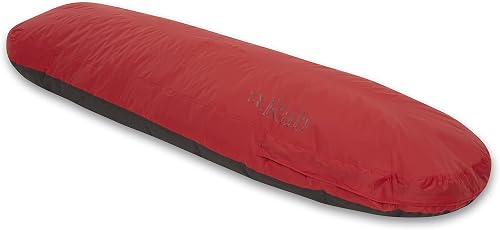
The Rab Storm Bivi sits in a useful middle ground. Amazon positions it as a lightweight waterproof shelter for climbing, mountaineering, bikepacking, and high-speed trips, which makes it relevant for fast-moving hikers who still want real weather protection.
Best for: fast-and-light hikers who want more weather focus without going fully heavy-duty
Why it stands out: lightweight, weather-ready, more trail-relevant than generic budget bivies
5. Outdoor Research Helium UL Bivy: Best Premium Lightweight Upgrade

If you want to stay with Outdoor Research but move further into the ultralight end of the category, the Outdoor Research Helium UL Bivy is the upgrade option. Amazon lists it as a waterproof, ultralight backpacking bivy built for fast and light mountain missions, which makes it more niche than the standard Helium but still highly relevant for committed minimalist hikers.
Best for: hikers already committed to bivy-style shelter travel
Why it stands out: ultralight focus, premium positioning, strong fit for fast-and-light missions
How to Choose a Bivy Sack
The main thing is not to chase minimalism for its own sake. A 200g saving means nothing if you don’t sleep.
Decision factors that matter most on multi-day trips:
Weather expectation. If you’ll see real weather (sustained rain, shoulder-season cold, exposed camps), go heavier. The Outdoor Research Alpine XT or Rab Storm earn their weight back the first wet night. If conditions are reliably dry and warm, the lighter Helium variants make more sense.
Bug pressure. No-see-um mesh and screen geometry matter more than the brochures suggest. A bug screen that pulls tight on your face is the difference between sleep and a long, miserable night.
Body fit. Tall hikers and side-sleepers struggle in tighter bivies. Check sleeping bag compatibility and shoulder/foot taper before committing.
Sleep system pairing. A bivy only works well if the rest of the system handles moisture. Pair with a synthetic or treated-down bag and a pad that fits inside the shell.
If you want a true overnight shelter for multi-day hiking, start with the Outdoor Research Helium Bivy or Rab Trailhead Bivi. If you expect rougher weather, the Alpine XT or Storm Bivi are stronger fits. If you’re already committed to bivy-style travel and want the lightest premium option, the Helium UL is the upgrade pick.
Buying gear for your next trip? Most of the products in this guide ship in two days with Amazon Prime. Try Prime free for 30 days if you do not already have a membership.
Final Thoughts
The best bivy is the one that still works on night three, when you’re tired, the gear is wet, and you need to sleep. Lightweight is meaningless if it doesn’t deliver shelter.
Before your next multi-day trip, check current prices and availability on Amazon, and make sure your bivy choice fits the rest of your kit. Bivies are part of a sleep system. See our wider Multi-Day Hiking Gear: What You Actually Need (And What to Skip) for how the bag, pad, and shelter fit together. You may also want to look at our 8 Best Ultralight Backpacks and 8 Best Sleeping Pads for Camping.
Frequently Asked Questions
Do you really need a bivy for multi-day hiking?
No. A freestanding ultralight tent is a better starting point for most multi-day hikers. Bivies make sense when you’re consciously choosing weight savings and accepting trade-offs around condensation, headroom, and weather management. They’re an upgrade path, not a default.
Bivy vs ultralight tent: which is better for a 3-day hike?
For most 3-day hikes, an ultralight tent wins. It dries faster, gives you more usable space, and handles consecutive wet days better. Choose a bivy when the route is exposed, pitching a tent is impractical, or you’re committed to fast-and-light travel and have a sleep system tuned for it.
Will my sleeping bag get wet inside a bivy?
It can, especially over multiple nights. Bivies trap more condensation than tents because the shell sits close to the bag. Mitigate by using a synthetic or treated-down bag, leaving the bivy partly open when conditions allow, and airing it out at lunch breaks if the weather permits.
Are budget bivies on Amazon worth it for hiking?
Most aren’t. Generic budget bivies are usually positioned as emergency shelters or motorbike camping gear, not for multi-day hiking. The bivies in this list come from established outdoor brands because the trade-offs in cheaper options show up exactly when you can’t afford them: bad weather, day three, exposed camp.
