

Last updated: July 2026
Wild Trail Hiker is reader-supported. We may earn a commission when you buy through links on this page, at no extra cost to you. We only recommend products we’d consider taking on a multi-day trip ourselves.
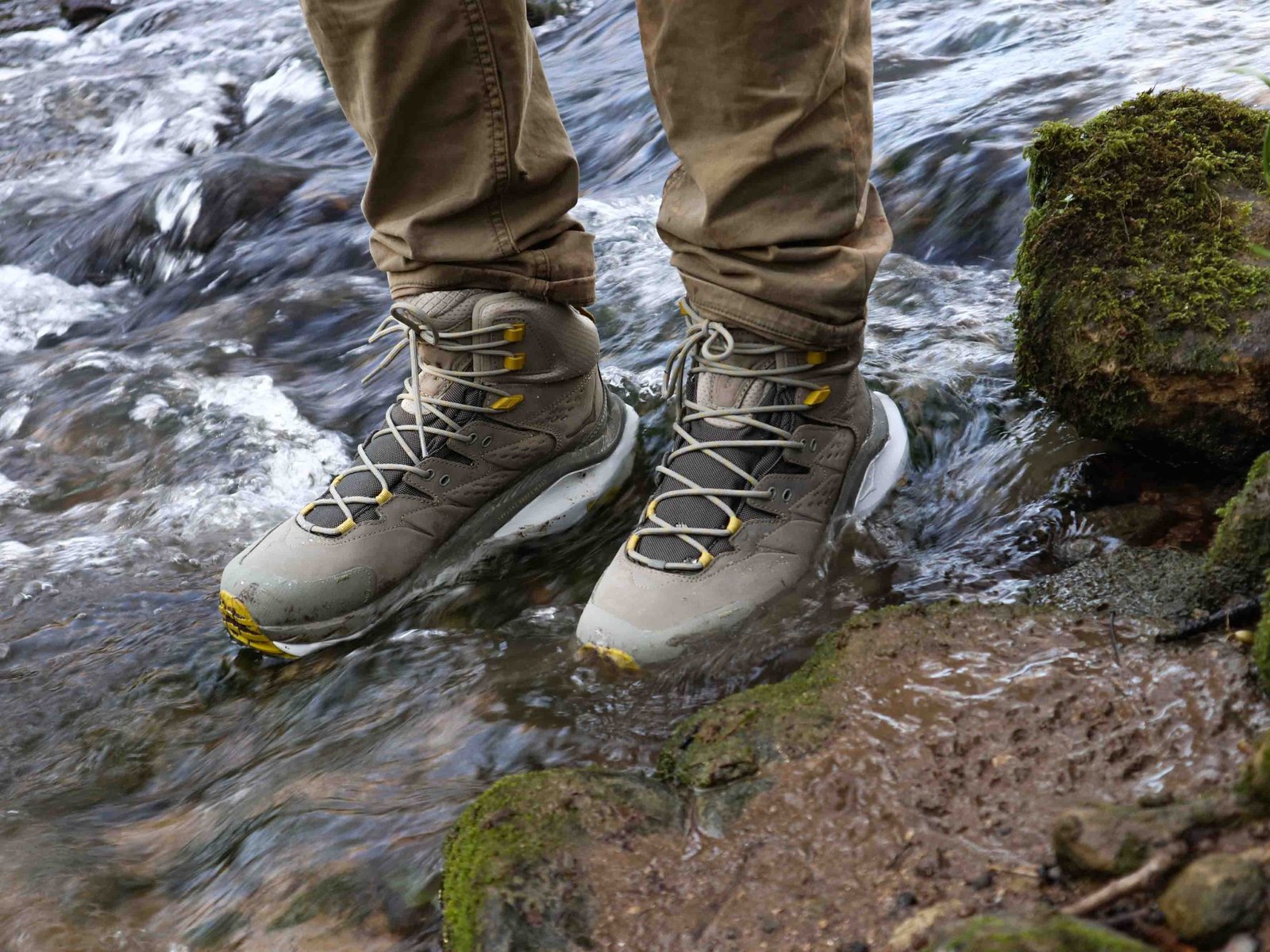
The best lightweight hiking boots look like an easy win: less weight, less fatigue, faster walking.
The trade-offs show up later. It is late on day two, your feet have swollen, the track has turned rocky, and the soft boot that felt brilliant on a day walk is now folding under your foot.
For multi-day hiking, it still needs to handle:
- Consecutive long days: cushioning has to keep working after the first easy kilometres.
- Pack weight: low weight only helps if the boot remains stable under load.
- Wet and broken terrain: grip and protection matter more when tired legs make foot placement less precise.
- Foot swelling: a close fit on day one can become painful after several hours on trail.
This guide focuses on mid-height boots between trail runners and traditional backpacking boots. For the rest of your kit, see Multi-Day Hiking Gear: What You Actually Need.
How We Picked
These picks focus on what matters on a multi-day trail: stability under a light to moderate pack, grip, foot protection, wet-weather performance, and comfort over consecutive days. Heavy traditional backpacking boots and low-cut trail shoes are covered elsewhere.
Quick Picks
| Slot | Product | Why It Stands Out |
|---|---|---|
| Best Overall | Salomon X Ultra 5 Mid GORE-TEX | Agile feel with strong lateral stability and dependable grip |
| Best Cushioned | Merrell Moab Speed 2 Mid GORE-TEX | More underfoot cushioning for long trail days |
| Best for Wide Feet | KEEN Targhee IV Mid Waterproof | Roomy forefoot and durable, supportive build |
| Best for Technical Terrain | La Sportiva Ultra Raptor II Mid Leather GTX | Secure fit and protection for rough ground |
| Best for More Support | SCARPA Rush TRK GTX | Backpacking-style support in a more agile trekking boot |
Who This Is For
This guide is for you if:
- You carry a light to moderate multi-day pack, usually around 8 to 15 kg.
- You want more protection than a trail runner without a heavy traditional boot.
- Your trips include rocky tracks, wet ground, roots, loose descents, or long days.
- You value agility but still want mid-height coverage and support.
For heavier loads, see the best hiking boots for multi-day hiking. For warm, formed trails with a light pack, the best breathable hiking shoes may suit you better.
Multi-Day Context: Where Lightweight Boots Earn Their Place
A lightweight boot has to do more than feel good for two hours.
- Support matters more when you are tired: On day three, your feet and lower legs are no longer making perfect corrections.
- Feet swell: A precise fit can become too tight after a long day, especially before extended descents.
- Waterproof boots can stay wet inside: Membranes help with rain and mud, but once water gets over the collar, drying can be slow.
- Weight savings are repeated thousands of times: Lighter boots reduce the effort of lifting your feet all day, provided you are not sacrificing the support your terrain requires.
The goal is the lightest boot that still matches your pack, terrain, and feet.
The Safest Bet
The Salomon X Ultra 5 Mid GORE-TEX is the safest all-round choice here. It balances the things lightweight boots usually force you to trade: agility, stability, grip, and protection.
1. Salomon X Ultra 5 Mid GORE-TEX: Best Overall
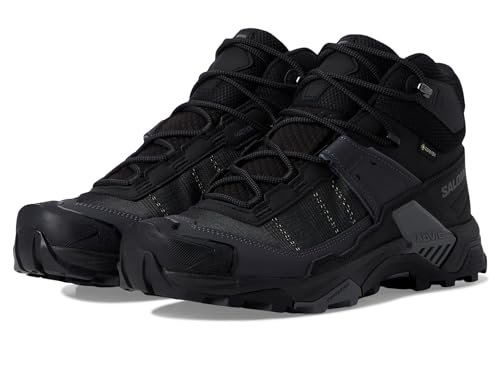
The X Ultra 5 Mid is for hikers who want a boot that still feels quick. Salomon positions it as lightweight but stable, using its Advanced Chassis platform for lateral support and a Contagrip outsole for mixed terrain. That suits loose descents, uneven tracks, and moderate pack loads without traditional boot bulk.
The main caution is fit. Salomon’s precise shape will not suit every foot, so try it before a long trip.
Best for: Light to moderate packs on mixed and moderately technical terrain.
Why it stands out: The strongest balance of agility, lateral stability, grip, and weather protection.
2. Merrell Moab Speed 2 Mid GORE-TEX: Best Cushioned
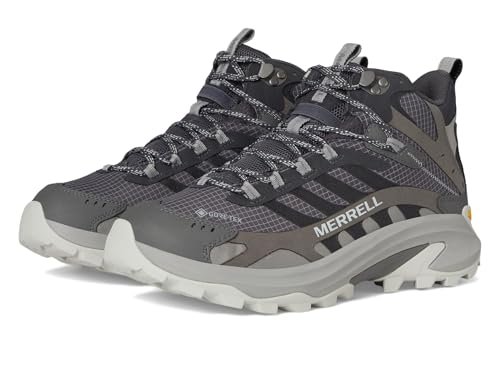
The Moab Speed 2 Mid is the comfort-led choice. Merrell uses more foam underfoot than the previous platform and a Vibram TC5+ outsole, creating a boot that feels closer to an athletic hiker than a classic Moab.
That cushioning is useful on long, repetitive trail days. The trade-off is less of the planted, precise feel you get from the Salomon or La Sportiva on rough ground.
Best for: Long days, maintained routes, and hikers who prioritise underfoot comfort.
Why it stands out: Generous cushioning without moving back into a bulky traditional boot.
3. KEEN Targhee IV Mid Waterproof: Best for Wide Feet
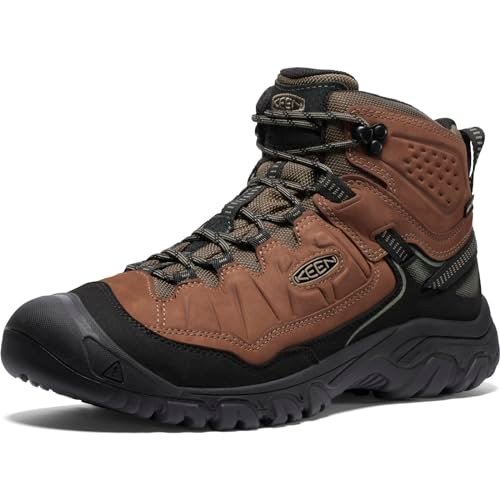
A lightweight boot is useless if your toes are jammed together by lunchtime. The Targhee IV is the first option to consider if you regularly find narrower hiking boots uncomfortable.
KEEN builds it around a roomy forefoot fit and a fused construction intended to improve durability. It is not the most precise boot here on technical terrain, but its extra space can matter once feet swell across a long day.
Best for: Wider or higher-volume feet and hikers who prioritise toe room.
Why it stands out: A naturally roomier shape with a durable trail-oriented build.
4. La Sportiva Ultra Raptor II Mid Leather GTX: Best for Technical Terrain
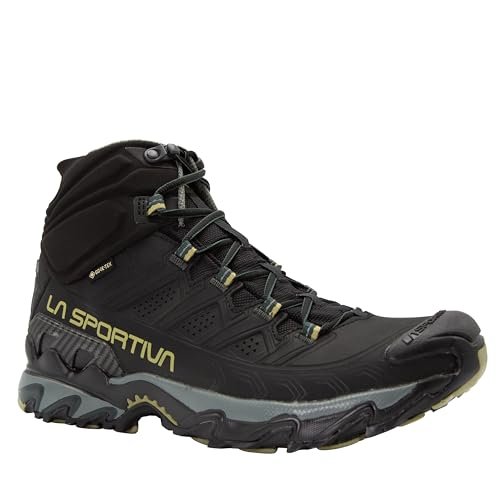
The Ultra Raptor II Mid Leather GTX is the mountain-focused choice. La Sportiva positions it as a stable, all-terrain boot for rough and wet trails. The close fit and protective build suit hikers who spend more time on rock, steep ground, and uneven surfaces than on smooth tracks.
That precision is also the limitation. Narrow or high-volume feet may struggle, so fit it carefully.
Best for: Rocky, steep, rough, or technical multi-day routes.
Why it stands out: Secure footing and protection when trail precision matters more than a soft, roomy ride.
5. SCARPA Rush TRK GTX: Best for More Support
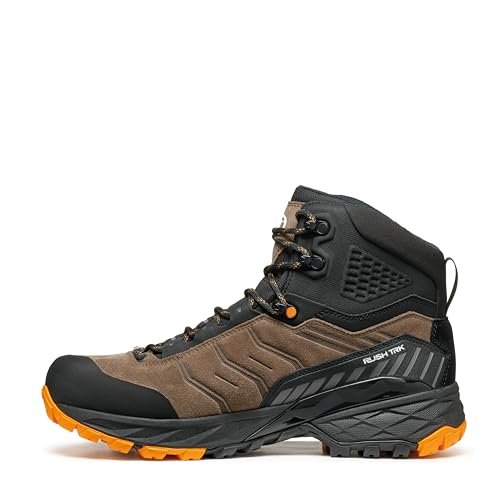
The Rush TRK GTX sits at the more supportive end of this list. SCARPA positions it as combining backpacking-boot support with the agility of a light hiker.
This is the pick for hikers who want lighter-feeling footwear but do not want to give up much structure. It makes particular sense when your pack is edging heavier or rough ground makes a more substantial boot feel worthwhile.
Best for: Hikers carrying more weight or wanting more structure.
Why it stands out: More support and protection while retaining a relatively agile trail feel.
How to Choose Lightweight Hiking Boots for Multi-Day Trips
Start with pack weight
For a light pack on good tracks, you can lean toward softer, faster boots such as the Merrell. As loads rise toward 12 to 15 kg, stability and underfoot structure become more important.
Match the fit to your foot
A technically brilliant boot that pinches your forefoot is the wrong boot. KEEN is the obvious starting point for more space. Salomon and La Sportiva suit hikers who prefer a closer fit. Try boots late in the day with the socks you actually use.
Match the boot to the terrain
For formed trail and long kilometres, cushioning often matters more. For broken rock, steep traverses, and loose descents, secure fit and lateral stability move up the list.
Be honest about waterproofing
Waterproof membranes are useful in persistent rain, mud, wet vegetation, and cooler weather. In hot conditions they can run warmer and dry slowly after full immersion.
A simple decision aid:
- Salomon X Ultra 5 Mid GTX: best all-round balance.
- Merrell Moab Speed 2 Mid GTX: cushioning and long formed-trail days.
- KEEN Targhee IV Mid Waterproof: more forefoot room.
- La Sportiva Ultra Raptor II Mid Leather GTX: technical terrain.
- SCARPA Rush TRK GTX: more support under load.
Final Thoughts
The best lightweight hiking boot is the one that still feels controlled when your pack is on, your feet are swollen, and the trail gets worse late in the day.
For most hikers, the Salomon X Ultra 5 Mid GORE-TEX is the safest place to start. Choose the Merrell for cushioning or the KEEN if you need more forefoot room.
Pair your boots with good socks. See the best hiking socks for preventing blisters and compare the best hiking boots for multi-day hiking. Browse more hiking footwear guides if you are still deciding between boots and shoes.
Then work through Multi-Day Hiking Gear: What You Actually Need before your next trip.
Frequently Asked Questions
Are lightweight hiking boots good for multi-day hiking?
Yes, when your pack weight and terrain suit them. Lightweight mid-height boots can provide more protection and stability than trail runners while reducing the fatigue associated with heavier boots. For heavy loads, very rough off-track travel, or mountaineering conditions, a more substantial boot may be better.
How light should a lightweight hiking boot be?
There is no single cutoff that matters more than performance. A very light boot that becomes unstable under your pack is not a good multi-day choice. Prioritise fit, support, and terrain suitability, then remove unnecessary weight.
Should lightweight hiking boots be waterproof?
That depends on where you hike. Waterproof boots suit repeated rain, wet vegetation, mud, and cooler conditions. They can feel warmer in hot weather and may dry slowly if water gets inside over the collar.
Do lightweight hiking boots need breaking in?
Usually less than heavy leather boots, but they still need trail time before a multi-day trip. Wear them on several progressively longer walks with your normal hiking socks so you can identify heel lift, toe pressure, or rubbing before the trip.
