

Last updated: June 2026
Wild Trail Hiker is reader-supported. We may earn a commission when you buy through links on this page, at no extra cost to you. We only recommend products we’d consider taking on a multi-day trip ourselves.
Most hiking boots feel fine in the store. Stiff but supportive, grippy on the carpet, snug in all the right places.
The difference shows up on day two of a multi-day trip, somewhere around the fifteenth kilometre, when your feet have swollen, the trail has turned to wet rock, and every hot spot you ignored that morning is now a blister forming under load.
On a multi-day hike, the wrong boots fail in a few predictable ways:
- The break-in never quite finishes, and hot spots become blisters under pack weight.
- The waterproof lining holds water in once it gets wet, instead of keeping it out.
- The outsole grips in the showroom but skates on wet roots and polished rock.
- The ankle support that felt reassuring on day one feels like a brick by day three.
This guide covers the best hiking boots for hikers who want one dependable pair that can handle loaded multi-day trips, not just a Sunday loop track. Boots are one piece of a larger system, so if you are building your full kit, start with Multi-Day Hiking Gear: What You Actually Need.
How We Picked
A multi-day boot has one job: keep your feet functional on day three, not just day one. We looked at hiking boots from the wide range currently available on Amazon, weighting underfoot support under pack load, outsole grip on wet and broken ground, waterproofing that earns its weight, break-in reality, and brand track record. We focused on mid-height boots suited to loaded multi-day walking rather than light trail shoes or heavy mountaineering boots. The five picks below cover different budgets and uses.
Quick Picks
| Slot | Product | Why It Stands Out |
|---|---|---|
| Best Overall | Merrell Moab 3 Mid Hiking Boot | Proven all-round comfort, Vibram grip, huge track record on trail |
| Best Classic Leather | Columbia Newton Ridge Plus II Waterproof | Durable leather build, reliable waterproofing, accessible price |
| Best Town-to-Trail | Timberland White Ledge Mid Waterproof | Waterproof leather, sealed seams, wears well on and off trail |
| Best Budget | NORTIV 8 Ankle High Waterproof Boots | Low-cost entry to waterproof mid-height boots |
| Best Women’s | Columbia Transverse Waterproof Hiking Boot | Women’s-specific fit, waterproof membrane, cushioned support |
Who This Is For
This guide is for you if:
- You carry a loaded pack (10 to 20 kg) on overnight or multi-day trips and need underfoot support to match.
- You hike mixed terrain: mud, wet rock, gravel, river margins, and rough formed track.
- You want ankle protection because you have rolled an ankle before, or carry enough weight that you would rather not find out.
- You want one pair of boots that handles most three-season conditions.
If you hike fast and light on well-formed tracks, a boot may be more than you need. Have a look at our guide to the best trail running shoes instead. For cold-weather and snow-margin trips, see the best insulated hiking boots.
Multi-Day Context: Why Boots Behave Differently Under Load
A boot that is comfortable on a day walk can behave very differently on a multi-day trip.
- Pack weight changes everything: An extra 15 kg pushes more force through your feet with every step. Midsole support that felt unnecessary in the store is what prevents deep foot fatigue by day two.
- Feet swell on consecutive days: Feet expand half a size over a long day and do not fully recover overnight. A snug fit at purchase becomes a toe-bruising fit on descent day.
- Wet boots stay wet: On a multi-day trip, you put boots back on damp at 7am. How a boot drains and dries matters more than the waterproof label.
- Grip fatigue is real: Late in a long day, foot placement gets sloppy. An outsole that bites on wet rock buys tired legs a margin for error.
The picks below were weighed against those realities.
The Safest Bet
The Merrell Moab 3 Mid is the safest pick for most multi-day hikers. It is one of the most widely used hiking boots on earth for a reason: a forgiving fit, dependable Vibram outsole, and comfort that holds up over consecutive long days without a punishing break-in.
1. Merrell Moab 3 Mid Hiking Boot: Best Overall
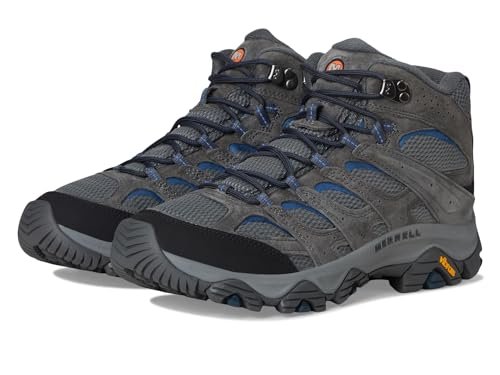
Amazon lists the Moab 3 Mid with a Vibram outsole, cushioned midsole, supportive mid-height collar, and a weight of roughly 2.1 pounds per pair. The Moab line has been a default recommendation for years because it gets the unglamorous things right: a roomy toe box that tolerates foot swell, cushioning that holds up under pack load, and grip that works on wet and dry ground alike. It is not the lightest boot here, but for loaded multi-day trips it is the boot most hikers will never need to think about again.
Best for: most multi-day hikers who want one dependable, comfortable boot
Why it stands out: proven comfort over consecutive days, Vibram grip, forgiving fit
2. Columbia Newton Ridge Plus II Waterproof: Best Classic Leather
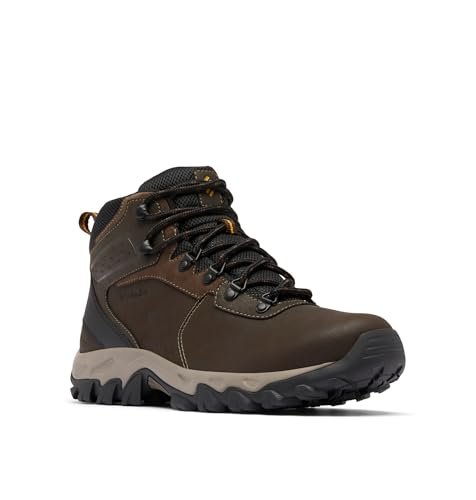
Amazon lists the Newton Ridge Plus II with a waterproof leather and mesh upper, seam-sealed construction, traction outsole, and a cushioned midsole. This is the traditional leather hiking boot done at an accessible price: more structure and abrasion resistance than fabric boots, with waterproofing that handles rain, mud, and stream margins. The trade-off is the classic leather one: expect a real break-in period before it is multi-day ready. Once broken in, leather of this type tends to outlast lighter synthetic uppers.
Best for: hikers who want a durable leather boot without the premium-brand price
Why it stands out: leather durability, reliable waterproofing, strong value
3. Timberland White Ledge Mid Waterproof: Best Town-to-Trail
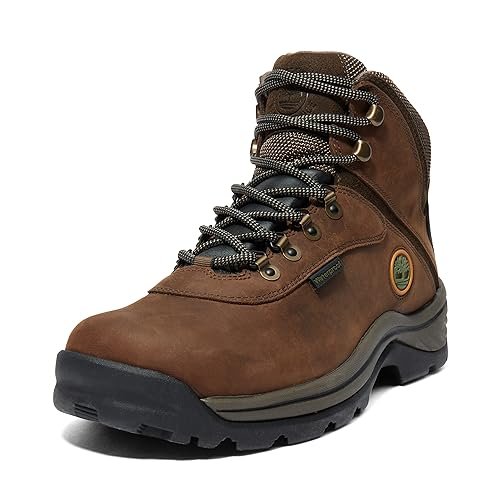
Amazon lists the White Ledge Mid with a waterproof leather upper, sealed seams, slip-resistant outsole, and a cushioned, mid-height design. It sits in a useful middle ground: capable enough for genuine trail use, presentable enough to wear between trips. For hikers whose multi-day walking happens a few times a season, that versatility is worth having. The outsole is less aggressive than the Moab’s Vibram, so treat it as a boot for formed tracks and moderate terrain rather than steep, technical ground.
Best for: occasional multi-day hikers who want one boot for trail and town
Why it stands out: waterproof leather, sealed seams, everyday versatility
4. NORTIV 8 Ankle High Waterproof Boots: Best Budget
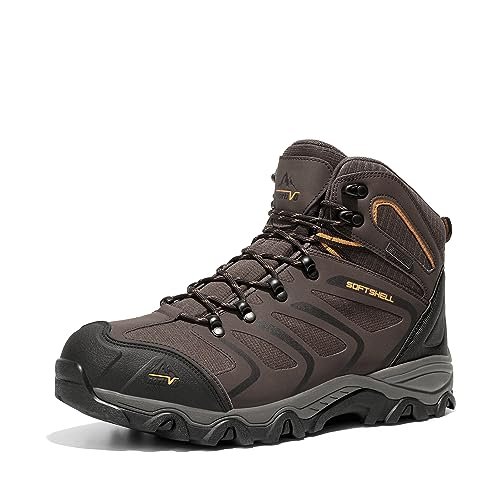
Amazon lists the NORTIV 8 as an ankle-high waterproof hiking boot with a lightweight build and supportive collar, at a price well below the branded options here. The honest framing: materials and outsole compound will not match Merrell or Columbia, and long-term durability under heavy pack loads is the open question. But for new hikers testing whether multi-day walking is for them, it covers the basics of waterproofing and ankle support without a serious outlay. Inspect stitching and sole bonding before committing it to a long trip.
Best for: new hikers and budget-conscious buyers testing the waters
Why it stands out: waterproof mid-height cover at an entry-level price
5. Columbia Transverse Waterproof Hiking Boot: Best Women’s
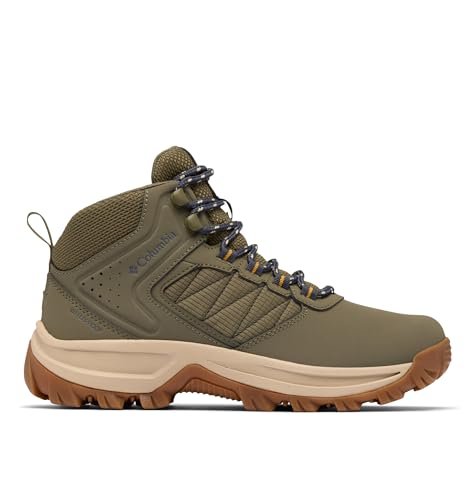
Amazon lists the women’s Columbia Transverse with a waterproof membrane, cushioned midsole, supportive arch, and a grippy outsole built for mixed terrain. Women’s-specific lasts matter: narrower heels and different midfoot volume mean a unisex boot is often a compromise fit, and fit problems compound brutally over multi-day distances. The Transverse offers the same practical waterproofing and cushioning logic as the men’s picks above in a women’s-specific fit. Fit it late in the day, with the socks you will hike in.
Best for: women who want a women’s-specific fit for loaded multi-day trips
Why it stands out: women’s last, waterproof membrane, cushioned support
How to Choose Hiking Boots for Multi-Day Trips
Fit for day three, not day one
Fit boots in the afternoon when your feet are swollen, wearing your hiking socks. You want a thumb’s width in front of your longest toe and a heel that does not lift.
Match the boot to your pack weight
Under 10 kg on formed tracks, a light boot or trail shoe is often enough. Over 12 to 15 kg, midsole stiffness and ankle structure start earning their weight. Buy for the heaviest trips you actually do.
Be honest about waterproofing
Waterproof membranes are excellent in rain, mud, and cold, but slower to dry once soaked and warmer in summer. If you mostly hike hot, dry trails, see our guide to the best breathable hiking shoes instead.
Budget for break-in time
Leather boots like the Newton Ridge and White Ledge need multiple shorter walks before a loaded trip. Athletic-style boots like the Moab 3 need less, but no boot should see its first kilometres at a trailhead.
Among the best hiking boots here, the answer for most hikers is the Merrell Moab 3 Mid. For a tougher leather build on a budget, the Columbia Newton Ridge Plus II. For women’s-specific fit, the Columbia Transverse.
Final Thoughts
Boots are the one piece of gear you cannot work around on trail. A heavy pack can be repacked and a leaky jacket can be layered over, but failing feet end trips.
Pick the boot that matches your real pack weight and terrain, break it in properly, and pair it with decent socks: our guide to the best hiking socks for preventing blisters covers that half of the equation. Then make sure the rest of your kit is pulling its weight with Multi-Day Hiking Gear: What You Actually Need. For cold-season trips, see the best insulated hiking boots.
Frequently Asked Questions
Are hiking boots better than trail runners for multi-day hiking?
It depends on pack weight and terrain. With loads over roughly 12 kg, or on rough, wet, or off-camber ground, boots provide support and protection that trail runners do not. With light loads on formed tracks, trail runners are lighter, dry faster, and need no break-in. Many experienced hikers own both and choose per trip.
How long does it take to break in hiking boots?
Leather boots typically need 50 to 80 km of walking before they are ready for a loaded multi-day trip. Athletic-style boots like the Merrell Moab 3 often feel right within 15 to 30 km. Either way, never take new boots straight onto a multi-day trail.
Are waterproof hiking boots worth it?
For cold, wet, or muddy conditions, yes. A waterproof membrane keeps rain, mud, and morning dew out, which protects warmth as well as comfort. The trade-off is that waterproof boots run warmer and dry slowly once soaked. For hot, dry climates, many hikers prefer breathable non-waterproof footwear that drains and dries quickly.
How long should a pair of hiking boots last?
Most quality hiking boots last 800 to 1,200 km depending on terrain, pack weight, and care. Leather uppers generally outlast synthetic ones, but midsoles break down regardless of upper condition. If the cushioning feels dead or the tread is rounded off, replace the boots before a big trip rather than after they fail on one.
