

Last updated: August 2026
Wild Trail Hiker is reader-supported. We may earn a commission when you buy through links on this page, at no extra cost to you. We only recommend products we’d consider taking on a multi-day trip ourselves.
Intro
A pair of sunglasses looks like a five-minute decision. Grab something dark enough to squint less, done. Then you’re on day three of an exposed ridge walk, temples aching, lenses smeared with sunscreen and sweat, and the cheap pair you grabbed on the way out the door was never built for this.
On multi-day hikes, sunglasses have to do more than block glare for one afternoon:
- Cumulative UV exposure across consecutive days above treeline or on snow, glare coming from below as well as above
- Sweat and sunscreen breaking down nose pads and hinges over repeated wear
- Getting clipped to a pack strap or packed loose in a hip pocket, day after day
- Fogging and slipping on long, sweaty climbs, right when you need clear vision
This guide is built around sunglasses that hold up over that kind of use, not the first dark lens that shows up in a search. Still working out your full sun-protection system? Start with our Multi-Day Hiking Gear: What You Actually Need. Sunglasses are one piece of that system, not a standalone fix.
How We Picked
These picks focus on what matters over consecutive days on exposed trail: full UVA/UVB protection, polarization for glare off rock, water, and snow, secure fit under sweat and pack straps, and durability against drops and scratches. All five are from established outdoor eyewear brands with independently tested lens performance. Fashion-first or novelty sunglasses are not included.
Quick Picks
| Slot | Product | Why It Stands Out |
|---|---|---|
| Best Overall | Smith Lowdown 2 | ChromaPop polarized lenses, secure Megol nose pads, all-day comfort |
| Best Budget | Goodr OG | Snug no-slip fit, polarized, lowest price here |
| Best for Snow and High-Altitude Glare | Sunski Tera Polarized | Removable magnetic side shields block glare from every angle |
| Best Ultralight | Maui Jim Wailua | 15 grams, PolarizedPlus2 lenses, barely noticeable on your face |
| Best Glass Lens Clarity | Smith Guide’s Choice ChromaPop | Real glass lenses, the sharpest optics in this lineup |
Who This Sunglasses Guide Is For
These sunglasses are best for:
- Multi-day hikers on exposed, above-treeline, desert, or snow-adjacent routes (Presidential Traverse, John Muir Trail’s high passes, Grand Canyon Rim-to-Rim)
- Anyone who’s finished a sunny trip with eye strain, squint-headaches, or constant lens-wiping
- Hikers who want one durable pair for the trip, not one they baby out of fear of scratching it
If your trail stays mostly forested or shaded, a basic polarized pair will do. Pair your eyewear with a Best Sun Hat for Hiking for full-face coverage on longer exposed stretches.
Multi-Day Context: Why Sunglasses Fail on Longer Trips
Most sunglasses reviews are written around one sunny afternoon. Multi-day use exposes different weak spots.
- Cumulative glare fatigue. A gap in polarization or coverage is minor on day one. Across five or six days above treeline or near snow, it compounds into real eye strain and headaches that slow you down.
- Hinge and nose pad wear. Sweat and sunscreen soaking in and drying out repeatedly loosens cheap hinges, so a pair that fit fine on day one starts sliding by day four.
- Scratch accumulation. Clipped to a pack strap or tossed in a hip pocket at every break, lenses take small hits constantly. Weak coatings turn hazy fast; better coatings shrug it off.
- Fogging on climbs. Heavy exertion on a steep, sweaty grade fogs unventilated frames right when you need sharp vision for foot placement.
The five pairs below are picked with these failure modes in mind, not how they look in a gear-shop mirror.
Best Sunglasses for Hiking
1. Smith Lowdown 2: Best Overall
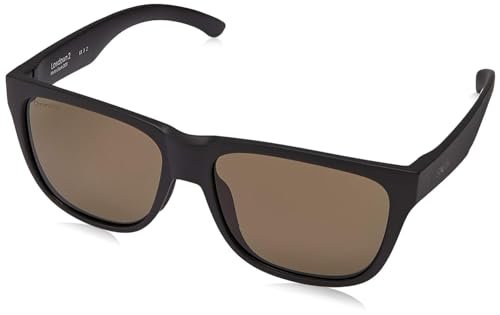
This is the pair to reach for if you only want to own one. Amazon lists it with ChromaPop polarized lenses, a bio-based Evolve frame, and Megol nose and temple pads that grip harder the more you sweat. Outdoor Life’s tested lineup singles out ChromaPop for sharpening contrast and color on trail, useful for judging footing on rough ground, and the Lowdown 2 also features in Switchback Travel’s backpacking sunglasses roundup. Not the lightest pair here, but the most balanced across fit, optics, and durability.
Best for: hikers who want one reliable, all-round pair
Why it stands out: secure sweat-activated grip, ChromaPop clarity, proven backpacking track record
2. Goodr OG: Best Budget
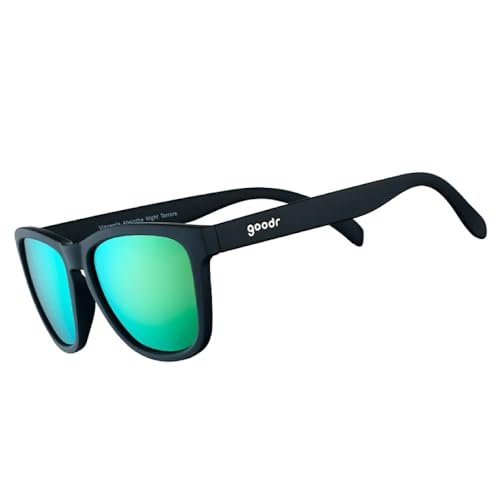
If you don’t want to stress about losing or scratching your sunglasses, this is the pick. Amazon lists it as polarized with UV400 protection, a snug no-slip, no-bounce fit, and a sub-$40 price. OutdoorGearLab found the Goodr OG stayed snug enough that it “didn’t require a leash even when hundreds of feet off the ground,” rating it among the best value options tested for fit and security. The trade-off: polycarbonate rather than glass lenses, so optics run noticeably softer than the premium picks here.
Best for: budget-conscious hikers, trips where gear takes a beating
Why it stands out: snug no-slip fit, polarized, lowest price here
3. Sunski Tera Polarized: Best for Snow and High-Altitude Glare
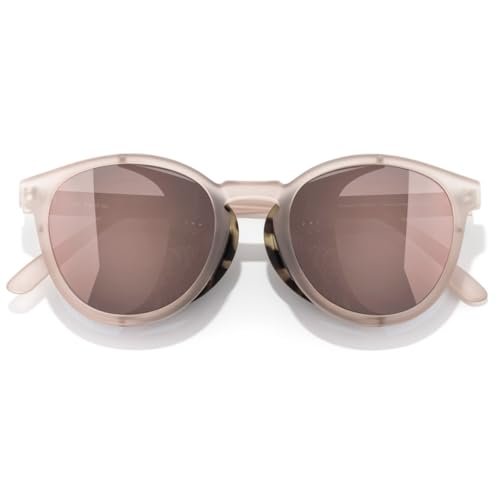
For trails with sustained snow crossings or high-altitude glare, this is the strongest option here. Amazon lists it with Helio polarized lenses blocking 100 percent UVA/UVB/UV400, plus removable magnetic side shields built for exactly this use case. OutdoorGearLab called out the Tera’s shields for letting it “crush the sun’s rays,” rating its lens performance among the best tested despite the mid-range price. Without the shields it works fine as an everyday pair too, doubling as your one pair for mixed terrain.
Best for: high passes, snow-adjacent trails, glacier-approach sections
Why it stands out: removable side shields for near-total glare blocking, strong value for the lens quality
4. Maui Jim Wailua: Best Ultralight
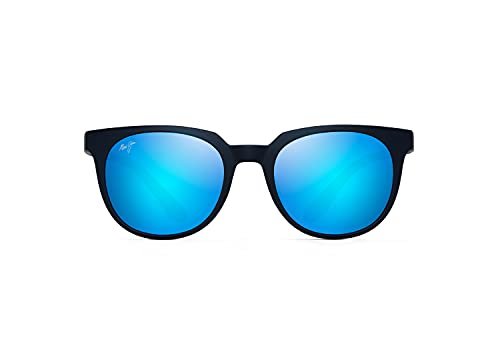
If you notice every gram of face-weight on a long day, this is the lightest genuinely capable pair here at 15 grams. Amazon lists it with Maui Jim’s PolarizedPlus2 lenses, rubber nose and ear pieces, and water and oil resistant coatings. Outdoor Life’s hands-on testing found the lenses “efficiently blocks the horizontal glare that is usually responsible for eye-fatigue,” which matters most on long exposed stretches. The narrower frame lets slightly more light in from the edges, a fair trade for weight-conscious hikers.
Best for: ultralight hikers, anyone who forgets they’re wearing sunglasses
Why it stands out: lightest capable pair here, glare-fatigue-reducing lens tech
5. Smith Guide’s Choice ChromaPop: Best Glass Lens Clarity
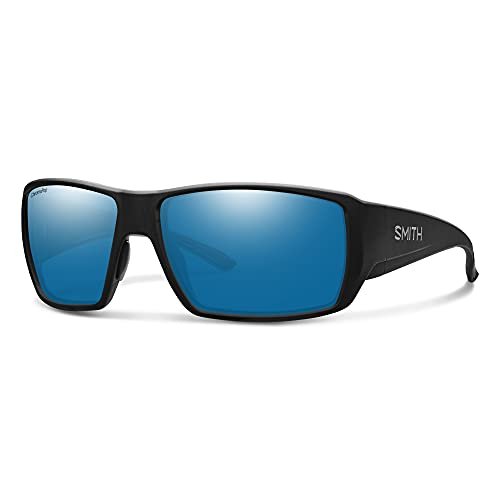
If optical clarity matters more than shaving grams, this is the sharpest view in the lineup. Amazon lists it with real glass ChromaPop polarized lenses, a wide wraparound frame, and a detachable leash. OutdoorGearLab’s side-by-side testing rated it the best lens quality in their review, “hands down,” praising the wide arms and curved lenses for near-complete coverage at all angles. The trade-off: glass adds heft over the polycarbonate options here, at a premium price.
Best for: hikers who prioritize visual clarity above all else, long views on exposed ridgelines
Why it stands out: best-in-test optical clarity, widest coverage in this lineup
How to Choose Hiking Sunglasses
Don’t default to the darkest lens you can find. Coverage and clarity matter more than tint depth on a multi-day trip.
Exposure level. On a high pass, snowfield, or glacier approach, prioritize the Sunski Tera‘s side shields. Desert and rock glare without snow, the Lowdown 2 or Goodr OG cover it.
Fit security. A pair that slides down a sweaty nose on day four is worse than useless. The Lowdown 2’s sweat-activated grip and the Goodr OG’s snug fit are genuine strengths here, not marketing lines.
Weight versus optics. The Wailua trades slightly more edge light for the lowest weight. The Guide’s Choice trades weight for the sharpest glass optics. Neither is wrong, it depends what you notice more on trail.
Budget versus durability. The Goodr OG gets real polarization at the lowest price, but expect softer optics and less scratch resistance than the premium picks over a long trip.
Start with the Lowdown 2 for most trips. Genuine snow or high-altitude glare, add the Sunski Tera. Weight-obsessed or budget-limited, the Wailua or Goodr OG each solve a specific problem.
Final Thoughts
The best hiking sunglasses are the ones still fitting snugly and cutting glare cleanly on day five, not the ones that looked sharpest in the mirror on day one. Fit security, lens clarity, and coverage matter more than tint color or brand name.
Check current prices and availability on Amazon before your next trip. See our Multi-Day Hiking Gear: What You Actually Need for how head, body, and eye protection fit together, and pair your sunglasses with a Best Sun Hat for Hiking for sustained sun exposure.
Frequently Asked Questions
Do I really need polarized sunglasses for hiking?
Polarization isn’t strictly mandatory, but it cuts glare off rock, water, and snow meaningfully better than non-polarized tint. On multi-day trips with sustained sun exposure, that difference adds up to less eye strain and fewer headaches by day’s end.
What UV protection rating should hiking sunglasses have?
Look for 100 percent UVA and UVB protection, sometimes labeled UV400. This isn’t optional: UV exposure increases roughly 10 percent for every 1,000 feet of elevation gain, so above-treeline trails demand full protection, not a partial-block lens.
Do I need special glasses for snow or glacier travel?
If your route crosses sustained snowfields or glacier approaches, yes. Standard sunglasses let in too much reflected glare from below. Side shields, like the Sunski Tera’s removable pair, block that extra angle of light regular sunglasses miss.
How do I stop my sunglasses from sliding off on sweaty climbs?
Look for rubberized or sweat-activated nose and temple pads, like the Lowdown 2’s Megol grip, rather than relying on frame tightness alone. A detachable leash, included with some premium pairs, is a reliable backup on steep terrain.
