

Finding the best wide hiking shoes matters more than most gear decisions, because a standard-width shoe can feel fine in the store and still turn into a problem by day two. Feet swell over the course of a long hiking day, more so on a multi-day trip where there’s no rest day to shrink back down. A toe box that felt snug but acceptable at the outfitter starts pressing on your smallest toe by mile twelve, and a narrow heel that seemed secure starts rubbing once your foot has spread inside the shoe.
For hikers with genuinely wide feet, this isn’t a minor comfort issue, it’s the difference between a trip that goes fine and one that ends in blisters, black toenails, or a foot you can’t get a shoe back onto the next morning.
- Swelling over multiple days. Feet expand more with each consecutive day of hiking, especially in heat.
- Toe box pressure. A tight forefoot causes blistering and bruised toenails on descents.
- Heel and midfoot rub. A shoe built for a narrower foot shifts around a wider one, causing friction even if the length is right.
- Cumulative damage. A minor fit issue on day one becomes a trip-ending problem by day four.
This guide covers five hiking shoes that offer a genuine wide or extra-wide fit, not just a shoe that happens to run a little roomy. For the full kit list this sits inside, see our multi-day hiking gear guide.
How We Picked
These picks focus on genuine wide-width options: shoes offered in true wide or extra-wide sizing by the manufacturer, or built with a naturally roomy toe box by design, rather than a standard shoe that simply runs large. Support, traction, and durability across multi-day terrain are weighted alongside fit, since a wide shoe that falls apart or lacks support isn’t a good trade for comfort. Options span from trail runners with a naturally wide toe shape through to traditional hiking shoes with true wide and extra-wide sizing.
Quick Picks
| Slot | Product | Why It Stands Out |
|---|---|---|
| Best Overall | Merrell Moab 3 Wide | The best-selling hiker in the world, now in a genuine wide fit with the support most hikers expect |
| Best Natural Wide Toe Box | Altra Lone Peak 8 | Zero-drop with a foot-shaped toe box built wide by design, not just sized up |
| Best Support / Stability | KEEN Targhee IV Vent | KEEN’s traditionally wider last plus genuine ankle and arch support for loaded packs |
| Best Lightweight | Oboz Sawtooth X Low Wide | A true wide-width trail shoe without the weight of a full boot |
| Best Budget | NORTIV 8 Waterproof Hiking Boots | Roomy fit and waterproofing at a fraction of the price of the other picks |
Who This Is For
- Hikers with genuinely wide feet who’ve had blistering or toe pain in standard-width hiking shoes
- Anyone doing multi-day trips where feet swell more than usual over consecutive days
- Hikers who’ve been sizing up in standard shoes to get width, and dealing with a sloppy heel fit as a result
- Trail runners transitioning to multi-day hiking who want a wide, foot-shaped toe box rather than a traditional tapered last
If your feet are standard width and you just want a comfortable multi-day hiking shoe, our breathable hiking shoes guide is the better starting point.
Multi-Day Context
Fit problems that are barely noticeable on a day hike compound fast on a multi-day trip. Feet swell progressively with heat, distance, and consecutive days on trail, often a half size or more by the end of a long day, and there’s no overnight reset when you’re back on trail again at dawn. A shoe that’s borderline on day one is often genuinely too tight by day three.
This is also where a true wide-width shoe earns its price over a “wide enough” standard shoe. A proper wide last gives room across the whole forefoot, not just at the very front of the toe box, which matters when your foot is swollen and your pack weight is pushing extra force through every step.
The Safest Bet
If you’re not sure which fit style suits you, the Merrell Moab 3 Wide is the safest starting point. It’s the best-selling hiking shoe in the world for a reason: broadly comfortable out of the box, genuinely available in wide sizing, and supportive enough for loaded multi-day packs without needing a break-in period most hikers dread.
1. Merrell Moab 3 Wide: Best Overall
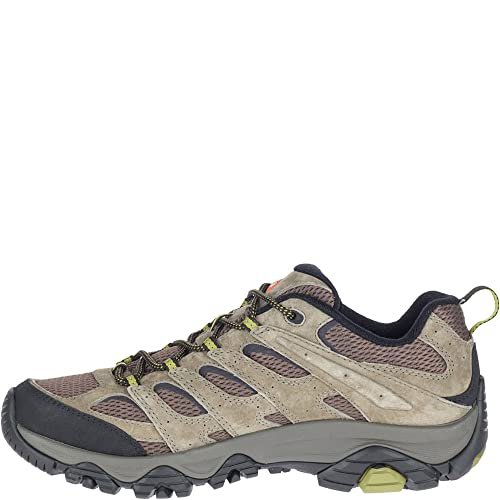
The Moab has been the benchmark hiking shoe for well over a decade, and the Moab 3 in true wide sizing solves the fit problem that sends a lot of wide-footed hikers looking elsewhere. Merrell lists an updated, more supportive insole and a softer, more cushioned midsole over the Moab 2, plus a grippier Vibram outsole for traction on mixed terrain. The wide last runs through the whole shoe rather than just the toe box, which matters once your feet swell on day two or three.
Best for: Hikers who want a proven, broadly comfortable wide-fit shoe without a lot of guesswork.
Why it stands out: A genuine wide last on the world’s best-selling hiking shoe platform.
2. Altra Lone Peak 8: Best Natural Wide Toe Box

The Altra Lone Peak takes a different approach to width: rather than offering a separate wide size, it’s built with a foot-shaped toe box that lets toes splay naturally, on every pair. It’s zero-drop, which some hikers need time to adjust to, and Altra’s EGO midsole is tuned for responsiveness over long days. For hikers whose width issue is specifically in the forefoot and toes rather than the heel, this naturally roomy shape can solve the problem without needing a dedicated wide size.
Best for: Hikers whose fit problem is mainly toe splay and forefoot room, especially those coming from trail running.
Why it stands out: Wide by design in every pair, not just in a separate wide-width line.
3. KEEN Targhee IV Vent: Best Support / Stability

KEEN’s hiking shoes have always run on a naturally wider last than most competitors, and the Targhee IV Vent adds genuine ankle and arch support on top of that base width, useful once you’re carrying a loaded multi-day pack. The vented upper trades some water resistance for breathability, worth considering if you’re hiking somewhere hot and dry rather than wet. KEEN’s durable direct-attach construction has a reputation for holding up to rough, rocky terrain better than lighter trail shoes.
Best for: Hikers who need more structure and support underfoot than a trail-runner-style shoe provides.
Why it stands out: A wider last built in from the start, plus real support for loaded packs.
4. Oboz Sawtooth X Low Wide: Best Lightweight
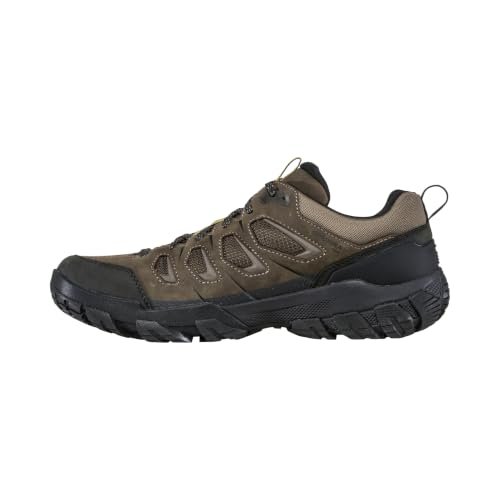
The Sawtooth X Low in true wide sizing gives you genuine width without stepping up to a full boot’s weight. Oboz uses a proprietary molded insole for fit, and a dual-density midsole aimed at all-day comfort rather than pure cushioning, plus a purpose-built outsole tread for mixed trail conditions. It sits lighter on the foot than the Moab or the Targhee, worth considering if you’re prioritising pack weight and don’t need maximum ankle support.
Best for: Hikers who want true wide sizing without the weight of a heavier support shoe.
Why it stands out: Genuine wide-width sizing in a noticeably lighter shoe.
5. NORTIV 8 Waterproof Hiking Boots: Best Budget
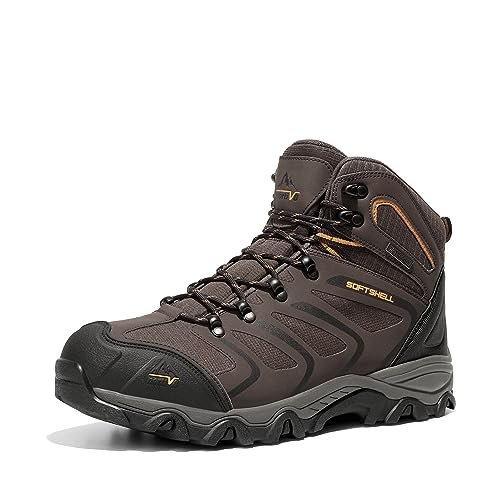
The NORTIV 8 won’t match the name-brand options above on long-term durability, but it delivers a genuinely roomy fit and solid waterproofing at a fraction of the price. The ankle-high design and lightweight build make it a reasonable entry point for hikers who want to try a wider fit before committing to a premium pair, or who need a backup pair without the premium price tag.
Best for: Hikers testing whether a wider fit solves their problem before investing in a premium pair.
Why it stands out: Genuine width and waterproofing at a budget price point.
How to Choose the Best Wide Hiking Shoes
Wide sizing versus naturally wide shape. A true wide-width option (Moab, Targhee, Sawtooth X) gives you a specific fit adjustment across the whole shoe. A naturally wide-shaped shoe like the Lone Peak solves forefoot and toe splay issues without needing a separate size, but won’t help if your width issue is through the heel and midfoot too.
Support versus weight. More structure and ankle support, like the Targhee, adds weight but helps under a loaded multi-day pack on rough terrain. A lighter shoe like the Sawtooth X or Lone Peak trades some support for less fatigue over long days, better suited to well-maintained trails.
Where the tightness actually is. If it’s specifically your toes that hurt, a naturally wide toe box shoe may be enough. If your whole foot feels squeezed, including the heel and midfoot, you need genuine wide-width sizing, not just a roomier toe box.
Waterproofing trade-offs. Fully waterproof builds add weight and reduce breathability, which matters more on multi-day trips where your feet don’t get a chance to fully dry out overnight. Vented options like the Targhee IV Vent breathe better but soak through faster in wet conditions.
If you’re not sure where to start, the Merrell Moab 3 Wide is the safest all-round pick. If your issue is specifically toe room, try the Altra Lone Peak 8 before sizing up in a traditional shoe.
Final Thoughts
A hiking shoe that doesn’t fit your foot shape is one of the few gear mistakes that gets worse, not better, the longer your trip runs. Any of the five shoes above solve that problem with a genuine wide fit rather than a shoe that just happens to run roomy. Pair the right fit with a solid pair of hiking socks and, if you’re prone to grit or debris on the trail, a set of hiking gaiters to round out your footwear setup. For the rest of your kit, see our full multi-day hiking gear guide.
Frequently Asked Questions
How do I know if I need wide hiking shoes?
If you regularly get blisters or bruised toenails in standard-width shoes, feel pressure across the ball of your foot, or have been sizing up just to get more width and ending up with a sloppy heel fit, a genuine wide-width shoe is worth trying. Feet also swell more on multi-day trips, so borderline standard-width shoes often become a real problem by day two or three.
What’s the difference between wide and extra-wide hiking shoes?
Wide sizing typically adds room across the forefoot and midfoot over a standard last. Extra-wide goes further, useful for hikers with significant width needs or swelling issues. Not every brand offers extra-wide, so check specific sizing charts rather than assuming “wide” covers your needs.
Do trail runners like the Altra Lone Peak work for multi-day hiking?
Yes, with the trade-off that they offer less structure and ankle support than a traditional hiking shoe or boot. They suit well-maintained trails and hikers who prioritise a natural foot shape and lighter weight over maximum support under a heavy pack.
Should I size up instead of buying a wide-width hiking shoe?
Sizing up adds length, not width, which often creates a new problem: a longer shoe with a sloppy heel that causes its own blistering. A genuine wide-width size solves the actual problem without introducing a new one.
