

Last updated: July 2026
Wild Trail Hiker is reader-supported. We may earn a commission when you buy through links on this page, at no extra cost to you. We only recommend products we’d consider taking on a multi-day trip ourselves.
This guide covers the best waterproof hiking boots for multi-day trails, picked for how they hold up over consecutive wet days, not a single rainy afternoon.
Most waterproof boots feel bombproof in the store. Stiff sole, sealed seams, a membrane tag that promises dry feet no matter what. The test comes on day two, boardwalk slick with rain, mud past the ankle, a stream crossing that’s higher than you expected, and eight more hours of walking still ahead of you.
On a multi-day hike, waterproof boots have to handle:
- Sustained wet conditions, not just a single shower, but days in a row of rain, mud and standing water.
- Load-bearing traction on wet rock, boardwalk and loose ground, with a full pack changing your balance.
- All-day comfort across consecutive long days, not just a shop-floor fitting.
- A membrane that still breathes, so your feet aren’t swimming in their own sweat by lunchtime.
This guide is for hikers who need boots that actually belong on a wet, multi-day trail, not general wet-weather footwear borrowed from a hardware store aisle. For the wider gear picture, start with Multi-Day Hiking Gear: What You Actually Need.
How We Picked
These picks focus on what matters once a boot is doing real trail work in the wet: a genuine waterproof membrane (Gore-Tex or an equivalent proven system), ankle support for uneven or loaded-pack terrain, an outsole built for wet rock and mud rather than pavement, and all-day comfort over consecutive days. Every boot here comes from an established hiking or mountaineering brand and is cross-checked against independent gear-review testing. General-purpose rubber work boots, garden boots and fashion boots are not included, however waterproof they claim to be, they are not built for the way a loaded hiker’s foot moves on trail.
Quick Picks
| Slot | Product | Why It Stands Out |
|---|---|---|
| Best Overall | Salomon X Ultra 5 Mid GTX | The clearest all-round balance of weight, support and wet-trail traction in this list. |
| Best Lightweight | Merrell Moab Speed 2 Mid GTX | Trail-shoe comfort in a waterproof mid boot, ideal if you want less bulk. |
| Best for Durability | KEEN Targhee 4 Mid | Built for miles, a long-standing favourite for hikers who are hard on boots. |
| Best for Technical Terrain | La Sportiva Ultra Raptor II Mid GTX | The most confident option on scrambly, uneven, wet ground. |
| Best Premium | SCARPA Rush TRK GTX | The most refined fit and finish, for hikers ready to invest in their feet. |
Who This Is For
This guide is for:
- Multi-day hikers who need boots that hold up over several consecutive wet days, not just a rainy commute.
- Hikers on trails with mud, boardwalk, wet rock or stream crossings, where a trail runner’s tread and drainage aren’t enough protection.
- Anyone upgrading from a budget or general-purpose wet-weather boot that isn’t cutting it on trail.
- Hikers who want a genuine Gore-Tex or equivalent membrane, not a “water-resistant” label doing the marketing for a non-waterproof boot.
If you’re hiking somewhere genuinely hot and dry, breathability will matter more than waterproofing, see our best breathable hiking shoes instead.
Multi-Day Context: Where Waterproof Boots Actually Get Tested
A waterproof boot that survives a single wet day can still fail on day three. Multi-day trips add failure modes a quick test walk never reveals:
- Membrane fatigue. Even a genuine Gore-Tex membrane works harder over consecutive wet days. A boot with a thin or ageing membrane can start letting moisture in exactly when you can least afford it, far from a dry pair of socks.
- Traction under load. A loaded multi-day pack shifts your centre of gravity. An outsole that grips fine on a day hike can feel noticeably less secure on wet boardwalk or greasy rock once you’re carrying real weight.
- Drying time. On a multi-day trip, a boot that gets properly soaked inside (a deep crossing, a boot-top puddle) may not fully dry before the next morning. Boots with better internal moisture management recover faster.
- Ankle fatigue. Consecutive days on uneven, wet ground punish weak ankle support in a way a single afternoon hike won’t expose.
The five boots below are picked with these specific failure points in mind, not just a one-day waterproof rating on a spec sheet.
The Safest Bet
If you want one recommendation and don’t want to overthink it, the Salomon X Ultra 5 Mid GTX is the safest bet.
It pairs a genuine Gore-Tex membrane with above-average traction and a fit that works for most foot shapes without a long break-in period. For hikers who want one reliable pair of waterproof boots for varied multi-day terrain, this is the easiest recommendation in the category.
1. Salomon X Ultra 5 Mid GTX: Best Overall
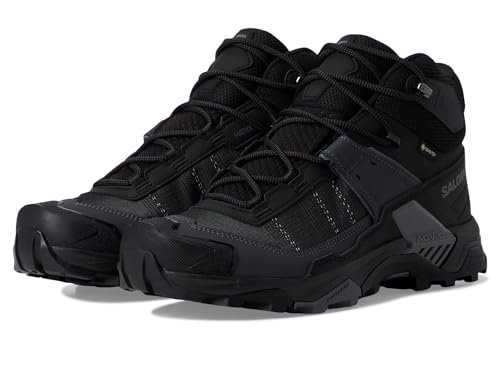
The Salomon X Ultra 5 Mid GTX is the boot to reach for if you want one waterproof pair that handles most multi-day conditions without compromise. It uses a genuine Gore-Tex membrane and Salomon’s All Terrain Contagrip outsole, which delivers above-average grip across wet rock, mud and mixed terrain. At under two pounds a pair, it sits closer to a trail shoe in feel than a traditional boot, but the mid-height cuff still gives real ankle support once your pack is loaded for several days. Independent testers consistently rate it for its balance of comfort, support and traction, not any single standout feature, which is exactly what you want in an all-round multi-day boot.
Best for: hikers who want one dependable waterproof boot for varied multi-day terrain
Why it stands out: genuine Gore-Tex membrane, strong all-terrain traction, low break-in effort
2. Merrell Moab Speed 2 Mid GTX: Best Lightweight
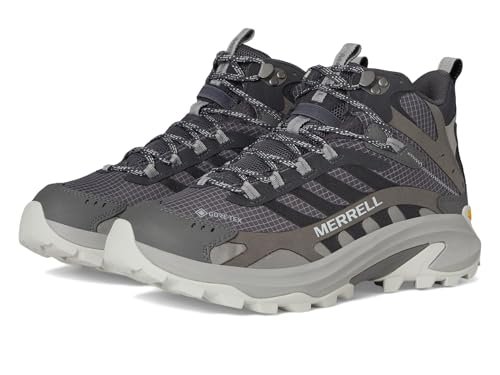
The Merrell Moab Speed 2 Mid GTX is the pick for hikers who want waterproof protection without boot-level bulk. It weighs close to trail-shoe territory, around 2.1 pounds a pair, but keeps a Gore-Tex membrane and a wrapped ankle cuff for genuine support. Reviewers highlight standout out-of-the-box comfort and a grippy Vibram outsole that holds up well on wet rock, though the lighter materials mean it won’t match a heavier leather boot for long-term durability under repeated hard use. For hikers prioritising comfort and pack weight over maximum boot toughness, it’s a strong trade-off.
Best for: hikers who want a lighter, more flexible feel without giving up waterproofing
Why it stands out: near trail-shoe comfort, Vibram traction, minimal break-in
3. KEEN Targhee 4 Mid: Best for Durability
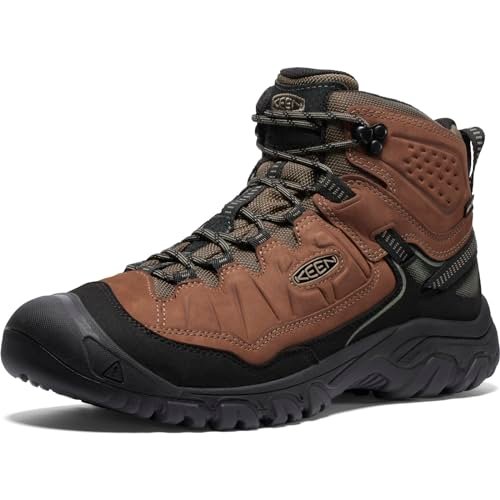
The KEEN Targhee line has been a durable, dependable choice for multi-day hikers for years, and the Targhee 4 Mid continues that reputation. It combines a waterproof membrane with a tough upper and a wide, stable platform that suits hikers who want a boot built to survive rough, repeated use rather than the lightest option on the shelf. It runs slightly roomier in the toe box than the Salomon or Merrell picks, which is worth knowing if you prefer a snugger technical fit, but a genuine advantage if you carry a heavier pack and want more room for your feet to swell over a long day.
Best for: hikers who prioritise long-term toughness and a roomier fit
Why it stands out: durable build, wide stable platform, established multi-year track record
4. La Sportiva Ultra Raptor II Mid GTX: Best for Technical Terrain
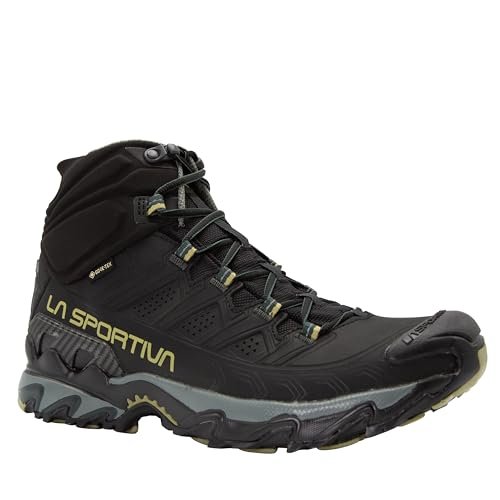
La Sportiva builds mountaineering footwear first, and it shows in the Ultra Raptor II Mid GTX. It’s consistently rated among the most confidence-inspiring boots for uneven, rocky, and technical wet terrain, with sticky rubber and an aggressive tread that holds on wet rock better than most hiking-focused competitors. The Gore-Tex membrane keeps feet dry through creek crossings and sustained rain. It runs narrower and more precise than the other boots on this list, a genuine benefit for hikers who want technical accuracy on rough ground, but worth trying on first if you have a wider foot.
Best for: hikers tackling scrambly, uneven or technical wet terrain
Why it stands out: mountaineering-grade traction, precise technical fit, strong wet-rock grip
5. SCARPA Rush TRK GTX: Best Premium
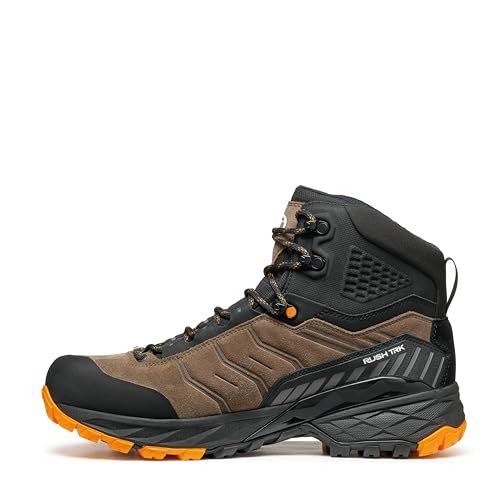
The SCARPA Rush TRK GTX is the boot for hikers ready to spend more for a genuinely refined fit and finish. It pairs a Gore-Tex membrane with SCARPA’s precise Italian last shaping, which testers consistently rate as one of the more comfortable, well-built options in this category straight out of the box. It’s a lighter-weight build than a full mountaineering boot, so it’s better suited to well-formed multi-day trails than genuinely technical alpine terrain, but for hikers who want premium comfort and construction quality on long trail days, it’s a strong investment.
Best for: hikers who want premium comfort and construction for long multi-day trails
Why it stands out: refined fit, quality construction, comfortable straight out of the box
How to Choose Waterproof Hiking Boots
Match the membrane to the trip length. A genuine Gore-Tex or equivalent membrane is worth paying for on any multi-day trip. Cheaper “water-resistant” coatings degrade fast and tend to fail exactly when you need them most, on day three, not day one.
Weigh support against weight. Lighter boots like the Merrell Moab Speed 2 reduce fatigue over long days but offer less structure for heavier packs or rough terrain. Heavier, more supportive boots like the KEEN Targhee 4 or La Sportiva Ultra Raptor II trade some agility for stability.
Consider the terrain, not just the weather. Technical, rocky or uneven ground rewards a precise, aggressive-tread boot like the La Sportiva. Well-maintained trail and boardwalk terrain is more forgiving, and comfort or durability can take priority instead.
Break boots in before you need them. Even the best waterproof boot needs miles on your feet before a multi-day trip. New boots on day one of a four-day hike is how blisters end trips early.
A simple decision aid: choose the Salomon X Ultra 5 Mid GTX if you want the safest all-round pick. Choose the Merrell Moab Speed 2 if comfort and low weight matter most. Choose the La Sportiva Ultra Raptor II if your trail is technical and wet underfoot.
Final Thoughts
The best waterproof boot is the one that’s still keeping your feet dry and comfortable on day three, not the one that looked best in the store. Buy for the terrain and duration of your actual trips, break the boots in properly, and treat the membrane as an investment rather than a checkbox.
For the wider kit list, see Multi-Day Hiking Gear: What You Actually Need. If your trail runs cold as well as wet, also compare our best insulated hiking boots and best hiking gaiters for extra protection.
Frequently Asked Questions
Are waterproof hiking boots worth it for multi-day hikes?
Yes, for most multi-day trips. A genuine waterproof membrane protects against sustained wet conditions, boardwalk, mud, stream crossings and multi-day rain, that a water-resistant or non-membrane boot can’t handle. The exception is genuinely hot, dry terrain, where breathability matters more than waterproofing.
How long does the waterproofing on hiking boots actually last?
A genuine Gore-Tex membrane typically lasts for years of regular use if the boots are cared for, though the exterior DWR (durable water repellent) coating on the upper wears off faster and needs periodic reapplication to keep water from soaking into the fabric and weighing the boot down, even if the membrane underneath is still working.
Do waterproof boots make my feet sweat more?
A well-built waterproof membrane like Gore-Tex is designed to breathe as well as block water, so sweat should still escape under normal conditions. In genuinely hot weather, any waterproof boot will run warmer than a non-waterproof equivalent, which is the trade-off for wet-weather protection.
Should I size up for waterproof hiking boots?
Often, yes, slightly. Waterproof membranes add a thin layer inside the boot, and hikers commonly wear thicker socks with waterproof boots than with trail shoes. Try boots on with the socks you’ll actually hike in, and allow a little extra room at the toe for downhill sections and foot swelling on long days.
