

Last updated: August 2026
Wild Trail Hiker is reader-supported. We may earn a commission when you buy through links on this page, at no extra cost to you. We only recommend products we’d consider taking on a multi-day trip ourselves.
Intro
Plain water solves the wrong problem. By day two or three of a hot trail, you’re losing sodium and potassium through sweat, and topping up on water alone actually dilutes what’s left. That’s how a hiker who has been drinking all day still ends up cramping or foggy-headed by camp. Electrolytes aren’t a nice-to-have flavor packet, they’re part of the safety system.
On multi-day hikes, your hydration plan needs to handle:
- Sustained sweat loss across consecutive hot days, not just one afternoon
- Long shadeless or above-treeline stretches with no chance to recover
- Appetite loss late in a trip, which cuts your sodium intake right when you need it most
- Pack weight and shelf life over a week or more on trail
This guide focuses on electrolyte mixes built for real trail conditions, not gym-bag recovery drinks. If you haven’t sorted your water carry and treatment plan yet, start with our Multi-Day Hiking Skills guide. Electrolytes are the half of the hydration equation water alone can’t cover.
How We Picked
These picks focus on what matters on a hot, multi-day trail: real sodium content, a workable sodium-to-potassium ratio, controllable sugar, and packability across a week or more. All five are established hydration or sports-nutrition brands with published, verifiable electrolyte content, not generic vitamin-shop powders or caffeine-driven energy drinks.
Quick Picks
| Slot | Product | Why It Stands Out |
|---|---|---|
| Best Overall | Liquid I.V. Hydration Multiplier | Strong 560mg sodium, widely available, single-serve packets |
| Best Packable / Fizzy Tablets | Nuun Sport Hydration Tablets | Compact tablets, low sugar, easiest week-long format |
| Best for Heavy Sweaters | LMNT | 1,000mg sodium, zero sugar, built for hot-weather sweat loss |
| Best for Long Trail Days | Nuun Endurance | Higher carb load for sustained output, third-party certified |
| Best High-Carb Fuel Option | Tailwind Endurance Fuel | Doubles as on-trail calories alongside electrolytes |
Who This Electrolyte Guide Is For
These picks are best for:
- Multi-day hikers on hot, exposed, or high-output trails (desert, canyon, above-treeline, peak summer)
- Hikers who notice cramping or fatigue late in a hot trail day despite drinking enough water
- Anyone carrying a week or more of supply and needing something shelf-stable and packable
If you’re hiking short, cool-weather trips, plain water is usually enough. For the carry and treatment side of your plan, see our 8 Best Water Filters for Hiking and 8 Best Hydration Bladders in 2026.
Multi-Day Context: Why Electrolytes Matter More Past Day One
A single hot day hike rarely causes real electrolyte trouble. Multi-day trails are a different problem, because the deficit compounds.
- Cumulative sodium loss. Sweat rate and sodium loss don’t reset overnight. A hiker who sweats heavily on day one and only partially replaces it starts day two already behind.
- Hyponatremia risk. Drinking large volumes of plain water without replacing sodium can dilute blood sodium levels. On exposed trails like Grand Canyon Rim to Rim, heat-illness guidance treats this as a hazard on par with dehydration.
- Appetite suppression. Heat and fatigue blunt appetite, cutting your dietary sodium right when sweat losses are highest. A dedicated electrolyte source closes that gap.
- Cramping and cognitive fog. Low sodium and potassium show up first as leg cramps, then as the fuzzy decision-making that gets people off-route on exposed terrain.
This is why the picks below are chosen for real sodium content and multi-day packability, not flavor or gym-recovery marketing.
The Safest Bet
If you want one recommendation and don’t want to overthink it, the Liquid I.V. Hydration Multiplier is the safest bet.
It carries a strong 560mg of sodium per serving, is widely available, and its single-serve packets are easy to ration across a multi-day trip. For hikers who haven’t dialed in a hydration strategy yet, it’s the easiest starting point.
Best Electrolytes for Multi-Day Hiking
1. Liquid I.V. Hydration Multiplier: Best Overall
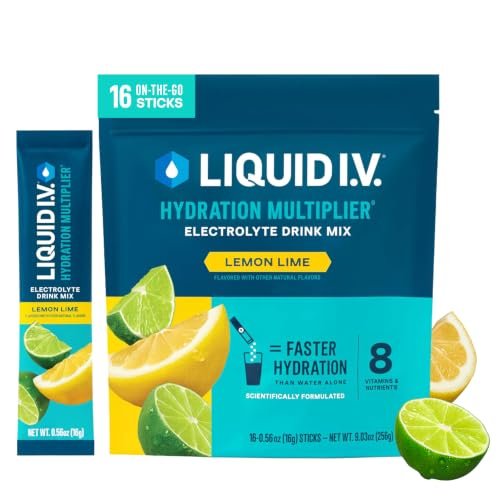
Liquid I.V. is one of the most tested hydration mixes on the market, and for hikers it earns its place with a genuinely strong sodium profile: 560mg of sodium and 370mg of potassium per serving in 16 ounces of water. CleverHiker’s own testing rates it a top performer for taste and mixability, which matters on your third liter of the day. The trade-off is 11 grams of sugar, a reasonable cost for a mix this easy to find and drink consistently.
Best for: hikers who want one reliable, widely available option
Why it stands out: strong sodium content, easy to find, easy to drink daily without flavor fatigue
2. Nuun Sport Hydration Tablets: Best Packable / Fizzy Tablets
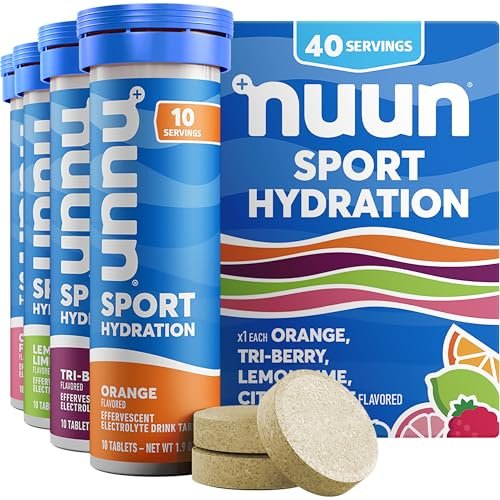
Nuun Sport trades powder packets for effervescent tablets, which matters on a multi-day trip: a full tube fits in a hip belt pocket with no sticky residue. Each tablet delivers 300mg of sodium and 150mg of potassium, close to the 2:1 ratio nutritionists point to as ideal for rehydration, with just 4 grams of carbs. CleverHiker rates the fizz and flavor highly, closer to a fruity soda than a typical electrolyte drink, which helps once plain water has gone stale by day four.
Best for: hikers who want the lightest, least messy format for a week-long trip
Why it stands out: compact tablet format, near-ideal sodium-potassium ratio, low sugar
3. LMNT: Best for Heavy Sweaters
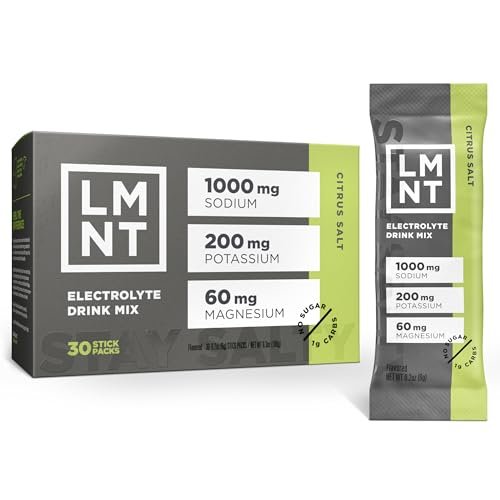
LMNT is built for one problem: hikers who sweat heavily and need real sodium replacement, not a token amount. At 1,000mg of sodium and 200mg of potassium per serving with zero sugar, it’s the highest-sodium option here by a wide margin, a strong match for desert and canyon trails where a standard mix doesn’t keep pace with sweat loss. The trade-off is a noticeably salty taste, and it’s not the right pick if you’re not losing that much sodium to begin with.
Best for: hot, exposed trails and hikers who know they’re heavy or “salty” sweaters
Why it stands out: highest sodium content here, zero sugar, purpose-built for serious heat
4. Nuun Endurance: Best for Long Trail Days
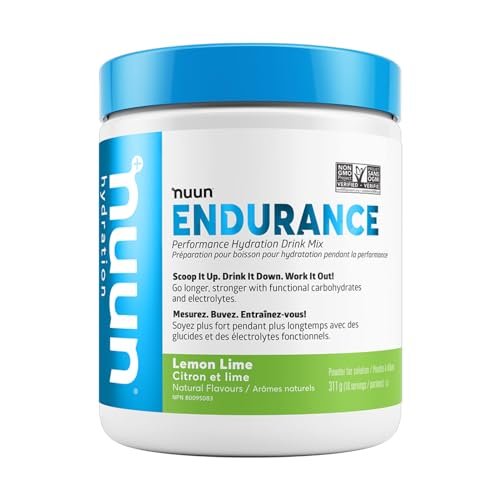
Nuun Endurance sits between a standard tablet and a full fuel mix. With 380mg of sodium and 200mg of potassium per serving, close to a 2:1 ratio, plus 16 grams of carbohydrate, it’s built for sustained, higher-output days rather than casual sipping. It holds NSF Certified for Sport status, worth knowing exactly what’s in the packet. The sachet runs larger than most, a minor packing trade-off for a format that suits long, grinding trail days better than a quick-hit tablet.
Best for: long, high-mileage trail days where you need sustained output, not just rehydration
Why it stands out: third-party NSF Certified for Sport testing, balanced electrolyte and carb load
5. Tailwind Endurance Fuel: Best High-Carb Fuel Option
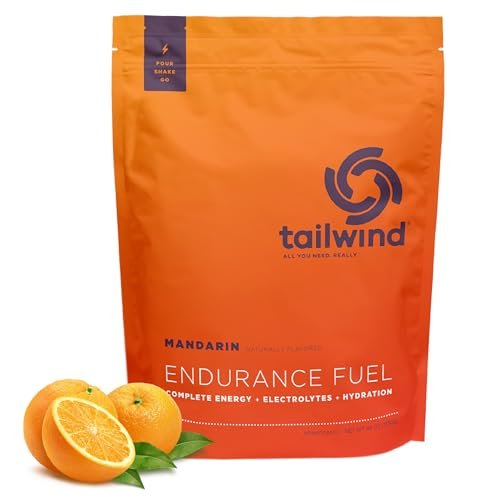
Tailwind is less a pure electrolyte mix and more a calorie-and-electrolyte combination, useful for hikers who want to lighten their food carry without cutting calories. It’s designed to be sipped steadily through the day as a partial calorie replacement, not downed once as a rehydration hit. That’s a poor fit if you just want a light water flavoring, but a strong one if you want some daily calories coming from your water bottle instead of your food bag.
Best for: hikers managing food weight who want calories and electrolytes from the same source
Why it stands out: doubles as light on-trail fuel, not just a rehydration mix
How to Choose an Electrolyte Mix
The main thing is not to default to whatever’s cheapest on the shelf. A weak sodium formula is close to useless on a genuinely hot trail day.
Sodium content for your conditions. Hot or high-sweat trails need real sodium, 400mg or more per serving. Mild conditions can get by on a standard mix like Nuun Sport. Heavy sweaters should look at LMNT’s 1,000mg formula.
Sugar and stomach tolerance. Higher-sugar mixes like Liquid I.V. are easier to drink consistently but can sit heavy on a hot afternoon. Low or zero-sugar options like LMNT or Nuun Sport are gentler on the stomach.
Format and pack weight. Tablets pack smallest and cleanest for a week or more on trail. Powder packets weigh slightly more per serving but are easier to adjust to taste.
Electrolytes alone versus electrolytes plus fuel. If you’re managing food weight carefully, Tailwind or Nuun Endurance let a single mix do double duty.
Start with Liquid I.V. or Nuun Sport for one dependable option. Go with LMNT if you’re heading into serious heat. For long, sustained trail days, reach for Nuun Endurance or Tailwind Endurance Fuel.
Final Thoughts
The best electrolyte mix is the one you’ll drink consistently through day three, four, and five, not the one with the best-looking spec sheet. Water alone doesn’t fix a sodium deficit, and on hot multi-day trails, that gap is where cramping and bad decisions start.
Check current prices on Amazon, and pair your electrolyte plan with the rest of your water system. See our Multi-Day Hiking Skills guide for how hydration and heat management fit together, plus our 8 Best Water Filters for Hiking and 8 Best Hydration Bladders in 2026.
Frequently Asked Questions
Do I really need electrolytes for hiking, or is water enough?
For short, cool-weather day hikes, water alone is usually fine. On multi-day trails with real heat or long exposed stretches, it isn’t. Sweat carries away sodium and potassium that water doesn’t replace, and drinking large volumes of plain water without replacing sodium can dilute what’s left in your system.
How much sodium should I be getting per day while hiking?
It varies by sweat rate and body size, but hikers on hot, high-output trail days often need 500 to 1,000mg of sodium beyond a normal diet. LMNT delivers 1,000mg per serving for that scenario. If in doubt, err toward more on genuinely hot days.
Are electrolyte tablets or powders better for backpacking?
Tablets like Nuun Sport pack lighter and cleaner, with no sticky residue. Powders like Liquid I.V. or LMNT are slightly heavier per serving but easier to adjust to taste and often carry higher sodium. It comes down to whether packability or sodium strength matters more for your trip.
Can I just eat salty snacks instead of using an electrolyte mix?
Salty food helps, but appetite typically drops on hot, multi-day trail days right when sodium needs are highest. A dedicated electrolyte mix guarantees a known sodium dose regardless of how much you feel like eating that afternoon.
