

Last updated: August 2026
Wild Trail Hiker is reader-supported. We may earn a commission when you buy through links on this page, at no extra cost to you. We only recommend gear we’d take on a multi-day trip ourselves.
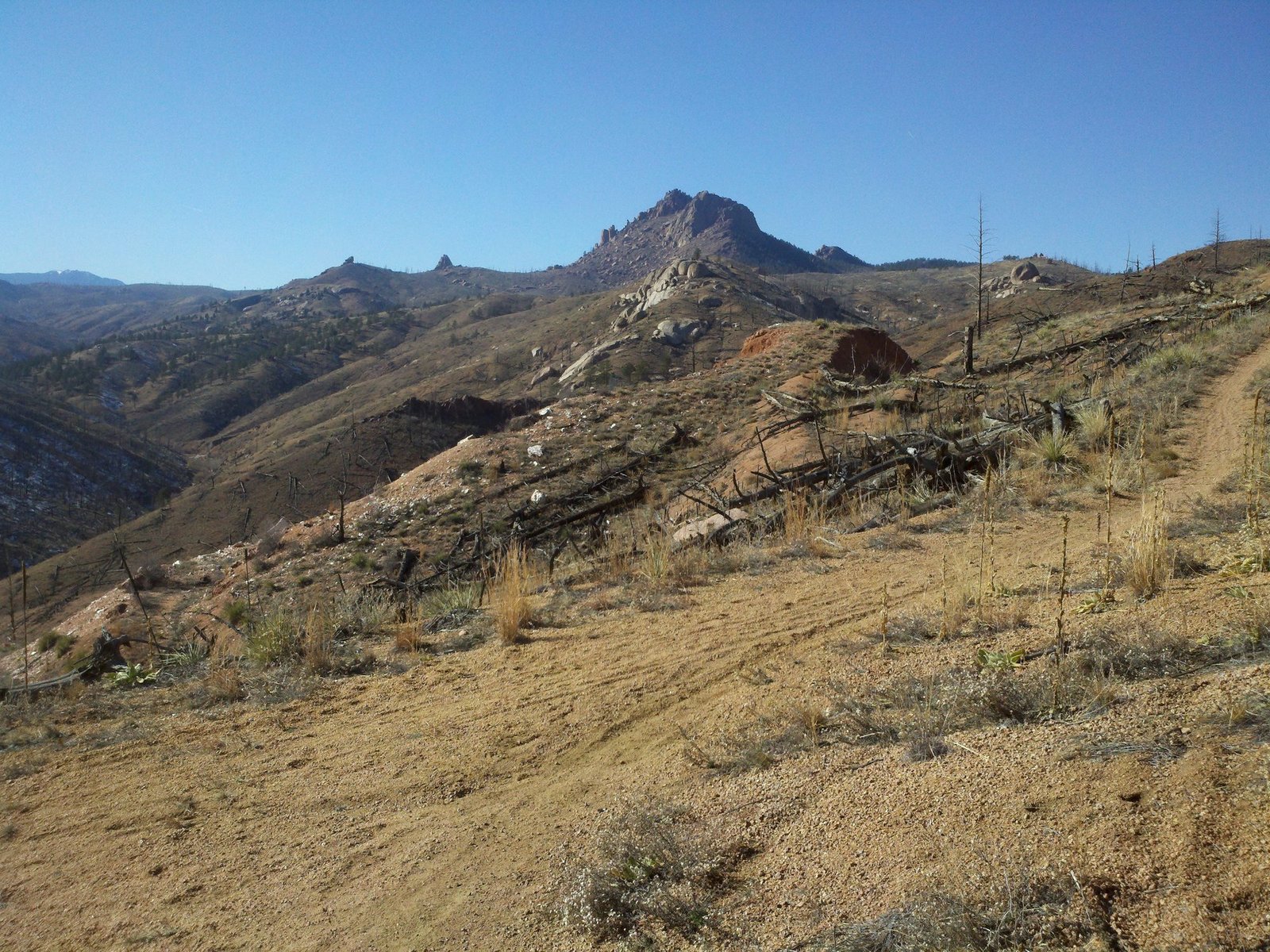
Snow Mesa near dawn is one long, silver-lit sweep of tundra above 12,000 feet, with nothing between you and the sky for miles. That is the payoff on the Colorado Trail’s San Juan section, and it comes with a catch: the same open ground has to be crossed before the first thunderhead builds, or it stops being a view and becomes a hazard. The Collegiate West route strings five crossings above 12,000 feet along the Continental Divide. Closer to Denver, the Tenmile Range puts you above 12,000 feet for the first time with a lot less driving.
Three sections, one shared demand: altitude and afternoon weather run the packing list for the best Colorado Trail sections here, not distance. Nights drop well below freezing at 11,000 to 13,000 feet even in July and August, storms build most afternoons in summer, and the Colorado Trail Foundation is blunt about water: nothing on the trail is safe to drink untreated. This guide is what to pack for the Colorado Trail’s three best sections, the kit that handles all three honestly, built for what the trail actually throws at you.
Still deciding which of the three sections to walk? Start with the full Colorado Trail: The Best Multi-Day Sections If You’re Not Thru-Hiking guide for routes, permits, and day-by-day detail. For the thinking behind these gear choices more broadly, see multi-day hiking gear: what you actually need.
Conditions That Drive Your Kit
| Factor | Segments 6 to 8 (Front Range) | Collegiate West (Sawatch Range) | Segments 21 to 24 (San Juans) |
|---|---|---|---|
| Distance / duration | ~71 mi, 5 to 7 days | ~83 mi, 6 to 9 days | ~69 mi, 5 to 7 days |
| Season | Late June to September | Mid-July to mid-September | Mid-July to mid-September |
| High point | Tenmile Range crest, above 12,000 ft | Five crossings above 12,000 ft, Hope Pass above 12,500 ft | 13,271 ft near Coney Summit, the trail’s highest point |
| Terrain | Broad tundra, one alpine ridge crest | Exposed Continental Divide ridgeline, thin tree cover | High tundra plus the Elk Creek drainage, the steepest sustained descent of the three |
| Permits | None, no wilderness crossed | Free self-issue permit, Collegiate Peaks Wilderness | Free self-issue permit, La Garita and Weminuche Wilderness |
| Water | Reliable, few dry stretches | Some ridge stretches run thin | High tundra stretches run thin |
All three sit inside the same trail network but ask different things of a kit. Full route and permit detail sits in the destination guide; every gear call below traces to a line in this table.
How This Kit Is Built
This list starts from the Colorado Trail Foundation’s own guidance and the sleeping bag, food storage, and water safety recommendations most experienced CT hikers converge on. Three things drive most calls below: nights well below freezing at 11,000 feet and higher even in peak summer, near-daily afternoon thunderstorms in July and August, and the CTF’s own position that no water source on the trail should be considered safe untreated.
The Kit, by Category
Backpack
Collegiate West’s longest stretch runs up to nine days without a guaranteed resupply, which sets the pack size here. The Kelty Asher 65L carries that full load with room to spare, and works fine, if a little roomy, on the shorter Front Range and San Juan trips.
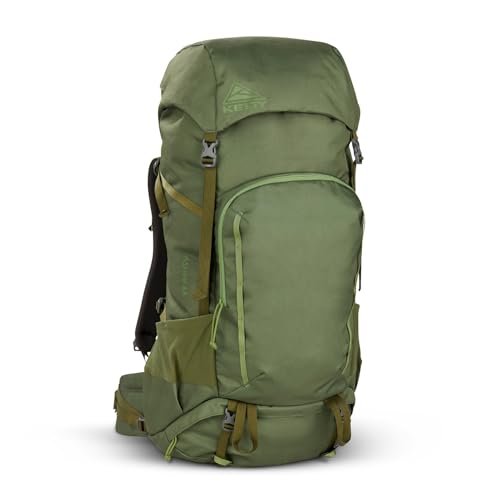
Compare the best internal frame backpacks.
Footwear
The Elk Creek drainage descent on Segment 24 loses close to 4,000 feet over about 8 miles on a long, loose grade, and it is genuinely hard on ankles and knees by the time you reach the bottom. A sturdy, broken-in boot with real ankle support is the safer default across all three sections. The Merrell Moab 3 Mid covers that without punishing you on the long tundra miles elsewhere on the route.
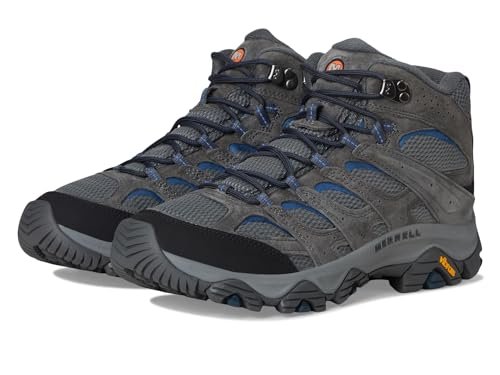
Compare the best hiking boots.
Trail runners suit experienced fastpackers on the gentler Front Range tundra, but bring worn-in footwear either way.
Sleep system
A typical Colorado Trail summer night runs into the 30s, occasionally the 20s, at these elevations. A bag rated 20 degrees or lower is the standard recommendation for exactly this reason. The Kelty Cosmic Synthetic 20 Degree gives that margin without full winter-bag weight, and keeps insulating if it picks up condensation on a cold night.
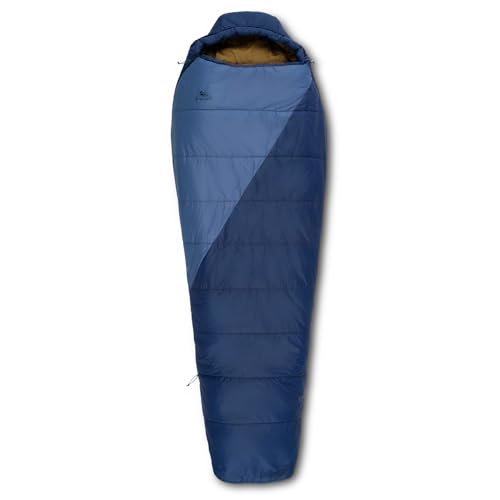
Compare the best synthetic sleeping bags.
Pair it with an insulated inflatable pad, not foam alone. Cold ground pulls heat fast at these elevations, and an exposed tundra camp on Snow Mesa or along the Collegiate West ridge is a poor place to find out your pad isn’t warm enough. The Therm-a-Rest NeoAir XLite NXT, R-value 4.5, is the benchmark pick here.
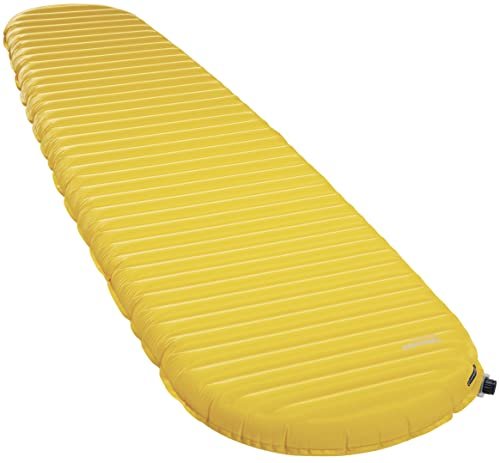
Compare the best insulated sleeping pads for hiking.
Shelter
All three sections spend long stretches on exposed, often rocky or hard-packed ground where stakes do not always bite, and afternoon storms bring real wind along with the lightning risk. A freestanding tent solves both problems. The Kelty Grand Mesa 2P pitches reliably on tundra and rock alike and vents well against the condensation a cold, high-altitude night produces.
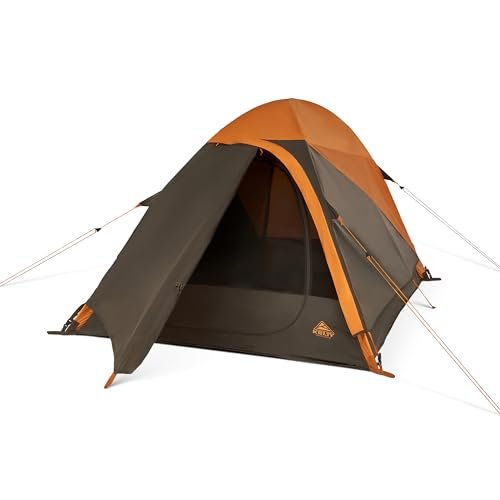
Compare the best freestanding tents.
Insulated layer
Camp temperatures at 11,000 to 13,000 feet are cold enough on all three sections that this is not an optional layer. The safer default is synthetic insulation, since a fast-arriving storm can leave a jacket damp with little chance to dry out before the next cold camp. The North Face ThermoBall Eco Jacket 2.0 keeps working when wet, which matters more here than a marginal weight saving.
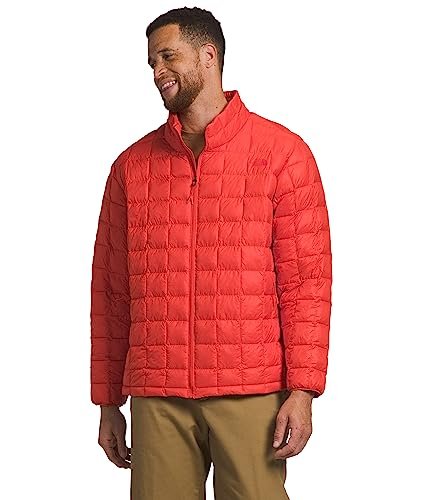
Compare the best insulated jackets for hiking.
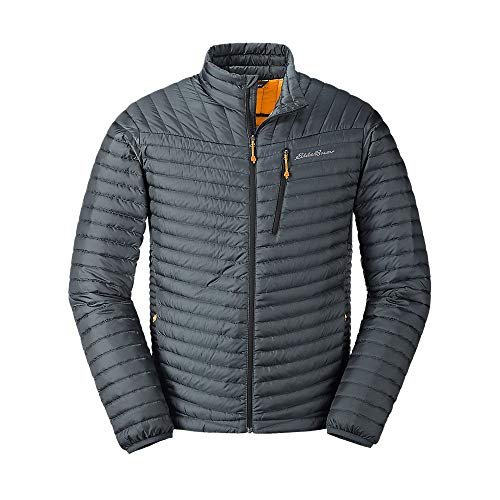
For hikers who watch pack weight closely and are comfortable managing the risk, the Colorado Trail’s summer weather outside the daily storm window is genuinely dry, which is where down earns its keep. The Eddie Bauer MicroTherm 2.0 Down Jacket gives real warmth-to-weight savings on the long climbs, provided you can keep it dry.
Rain and wind shell
Afternoon thunderstorms are close to guaranteed in July and August across all three sections, and a hard-arriving mountain squall at 12,000 feet is not the moment to discover your shell is only water-resistant. The Patagonia Torrentshell 3L gives genuine 3-layer waterproof protection rather than a light emergency layer.

Compare the best lightweight hiking jackets.
Trekking poles
Genuinely useful across all three: the sustained climbs to Hope Pass and Kokomo Pass, the steady grind up onto Snow Mesa, and especially the long, loose Elk Creek descent, where poles take real load off tired knees. The Black Diamond Alpine Carbon Cork holds up well over a multi-day carry.
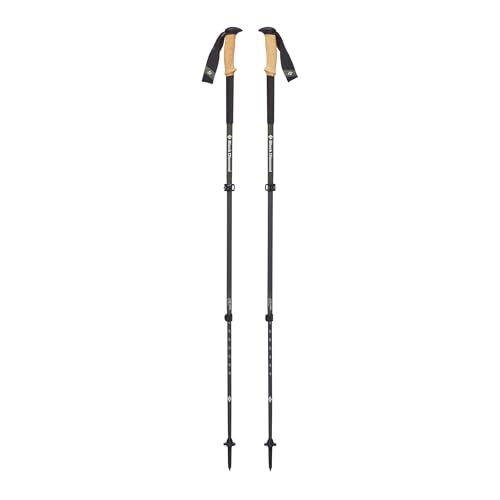
Compare the best trekking poles.
Water treatment and carry
Water is generally available across all three sections and none of the Colorado Trail’s two genuinely long dry stretches fall on these routes, but availability is not constant, particularly on the exposed Collegiate West ridgeline and the high tundra around Snow Mesa and Coney Summit. Top up whenever you cross a reliable source.
The Colorado Trail Foundation’s own guidance is direct: no water source on the trail should be considered drinkable untreated, even clear high alpine sources, because of livestock, wildlife, and other trail users upstream. The Sawyer Squeeze covers all three sections well and threads onto standard bottles and bladders.
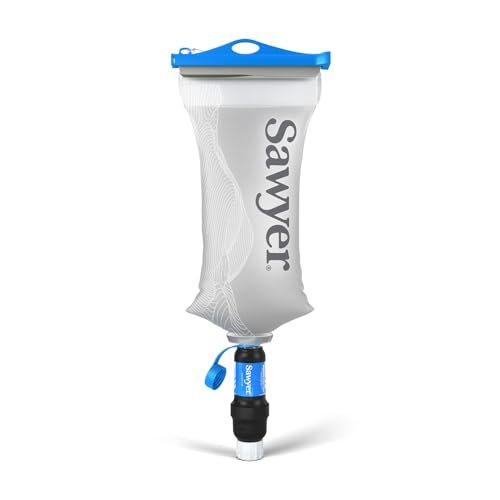
Compare the best water filters for hiking.
Carry a backup treatment, chemical tablets or a UV pen, in case your filter clogs or a hard overnight freeze damages the membrane. That risk is real at these elevations even in July.
Food storage and bear safety
The Colorado Trail Foundation’s own advice here is stronger than most hikers expect. Colorado’s bears are black bears only, food-raid risk rather than aggressive encounters, but the Foundation directly recommends a hard-sided canister anyway: above treeline, a food hang is often physically impossible because there are no trees. The BearVault BV500 is the standard choice for a full multi-day carry and doubles as a camp stool at 12,000 feet.
Compare bear canisters.
This isn’t a grizzly or mountain lion item, Colorado has no grizzly population and lion attacks are essentially unheard of. Treat it as food security, not personal defense.
Sun protection
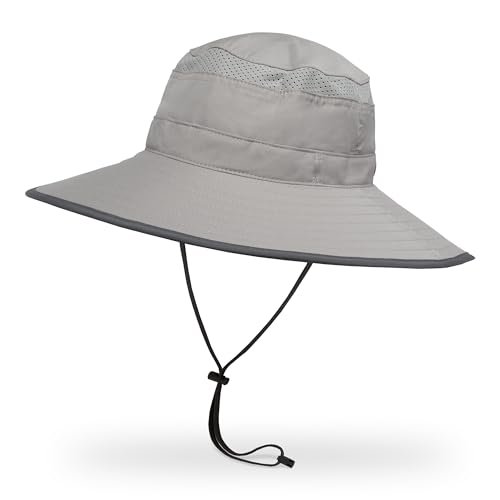
All three sections spend hours above treeline with no shade, and UV intensity climbs with elevation, making this a genuinely critical category here. For the most exposed stretches, Collegiate West’s ridgeline and the San Juan section’s long above-treeline run, the Sunday Afternoons Latitude Hat gives the widest brim coverage.
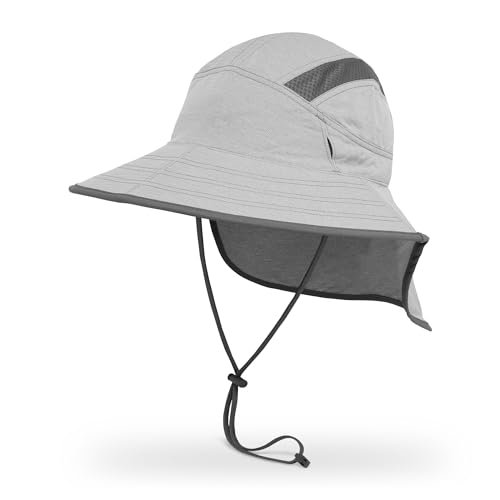
For a lighter, more packable option on the shorter Front Range trip, the Sunday Afternoons Ultra Adventure Hat folds flat with a UPF 50 rating.
Pair either hat with UV-rated sunglasses and high-SPF sunscreen. Reapply more than feels necessary; altitude burns faster than the temperature suggests.
Navigation
All three sections are well marked and covered by the Colorado Trail Foundation’s own segment maps, along with the FarOut app, so this is not off-trail navigation territory the way a route like Cirque of the Towers is. A downloaded offline map is the practical baseline given patchy cell coverage. A compass is a sound, battery-free backup: compare the best hiking compasses if you don’t already carry one.
Headlamp
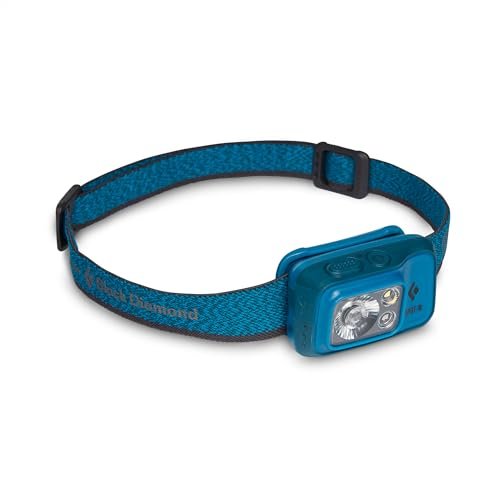
Standard kit for early starts, since the “off exposed ridgelines by early afternoon” rule on all three sections often means starting well before sunrise to clear a pass or ridge safely. The Black Diamond Spot 400-R gives a genuine IP67 waterproof rating, a one-tap brightness toggle for fumbling with cold hands in the dark, and a proper red-light mode for camp.
Compare hiking headlamps.
Kit at a Glance
| Category | Our Pick | Why It Matters Here |
|---|---|---|
| Backpack | Kelty Asher 65L | Sized for Collegiate West’s up-to-nine-day carry |
| Boots | Merrell Moab 3 Mid | Ankle support for the Elk Creek descent’s loose, punishing grade |
| Sleeping bag | Kelty Cosmic Synthetic 20 Degree | Matches the 20-degree-or-lower rule for 11,000+ ft camps |
| Sleeping pad | Therm-a-Rest NeoAir XLite NXT | R-4.5 warmth-to-weight for cold tundra camps |
| Shelter | Kelty Grand Mesa 2P | Freestanding for hard ground and wind-exposed ridgelines |
| Insulated jacket (safe default) | North Face ThermoBall Eco Jacket 2.0 | Keeps insulating if a storm catches it damp |
| Insulated jacket (lightweight) | Eddie Bauer MicroTherm 2.0 Down | Warmth-to-weight for the trail’s genuinely dry stretches |
| Rain/wind shell | Patagonia Torrentshell 3L | Real waterproofing for near-daily afternoon storms |
| Trekking poles | Black Diamond Alpine Carbon Cork | Stability on sustained climbs and the Elk Creek drop |
| Water filter | Sawyer Squeeze | Every source on the CT needs treatment, per the CTF |
| Bear canister | BearVault BV500 | CTF’s own recommendation; hanging is often impossible above treeline |
| Sun hat (max coverage) | Sunday Afternoons Latitude Hat | Widest brim for the most exposed above-treeline stretches |
| Sun hat (packable) | Sunday Afternoons Ultra Adventure Hat | UPF 50, folds flat, lighter carry |
| Headlamp | Black Diamond Spot 400-R | Mandatory for pre-dawn starts to clear passes by noon |
What You Can Skip
You don’t need bear spray. Colorado has no grizzly population, and the wildlife risk here is food raids from black bears, not aggressive encounters. A hard-sided canister solves the actual problem; bear spray solves one this trail doesn’t have.
You don’t need a full four-season mountaineering tent. A solid three-season freestanding tent handles the wind and cold on all three sections.
You don’t need to carry multiple days of water. Unlike the Colorado Trail’s two genuinely long dry stretches elsewhere on the route (Segments 17 to 19 and 26 to 27), water is generally available here, just not guaranteed at every mile, so top up opportunistically instead of hauling extra capacity.
And you don’t need brand-new boots or an untested tent. A nine-day carry with no easy bailout on Collegiate West, or a remote San Juan section reached by a small regional airport, is the wrong place to find out gear doesn’t work.
Final Thoughts
Three sections, one shared demand: respect the altitude, plan around the afternoon storm window, and treat every water source as untreated until you’ve filtered it. Get the shared core right, warmth, rain protection, food security, and sun protection, and the three sections stop looking like three different trips and start looking like one dialed kit with a few smart substitutions.
Once your kit is sorted, plan routes, permits, and shuttle logistics with the full Colorado Trail best sections guide, and back up your gear logic with multi-day hiking gear: what you actually need. For a comparable multi-section trip further east, see what to pack for the Appalachian Trail’s best sections, or further west, what to pack for the Pacific Crest Trail’s best sections.
Frequently Asked Questions
Do I need different gear for each of these three Colorado Trail sections?
Mostly no. A shared core, a synthetic insulated jacket, a genuine waterproof shell, a hard-sided bear canister, and strong sun protection, covers all three. The real differences are smaller: down over synthetic insulation if you’re chasing weight and trust the forecast, and slightly more sun coverage on Collegiate West and the San Juan section than the Front Range.
Do I need a bear canister on the Colorado Trail?
Not by regulation, but the Colorado Trail Foundation directly recommends one, and above treeline there often isn’t a tree to hang food from anyway. A BearVault BV500 is the standard choice and solves the practical problem regardless of what any specific ranger district requires.
How cold does it get at night on the Colorado Trail in summer?
Expect the 30s most nights at these elevations, with occasional drops into the 20s, even in July and August. A sleeping bag rated 20 degrees or lower, paired with an insulated pad, is the standard recommendation for a reason.
Boots or trail runners for these sections?
A sturdy boot with real ankle support is the safer default, especially for the Elk Creek descent on Segment 24. Trail runners are a reasonable choice for experienced fastpackers on the gentler Front Range tundra, but this isn’t the place to switch systems for the first time.
