

Wild Trail Hiker is reader-supported. We may earn a commission when you buy through links on this page, at no extra cost to you. We only recommend products we’d consider taking on a multi-day trip ourselves.
Most hiking socks feel fine at home. Soft. Warm. Thick enough. The problem is that socks do not cause blisters in your bedroom. They cause them after six sweaty hours inside boots, when a small hot spot on your heel becomes the thing you think about for the rest of the day.
On a multi-day hike, blister prevention is not about buying the thickest sock. The best hiking socks reduce friction, control moisture, hold shape inside your boot, and keep seams away from pressure points. The usual problems are simple:
- Hot spots that become blisters before lunch.
- Damp fabric that stays wet inside your boots.
- Thick socks that bunch, wrinkle, or change boot fit.
- Toe seams and heel seams that rub once your feet swell.
This guide focuses on hiking socks for blister prevention on multi-day trips: merino or moisture-managing blends, cushioning that works inside boots, seams that reduce rubbing, and enough value to pack a dry spare. For the bigger gear system around socks, boots, layers, and pack weight, start with Multi-Day Hiking Gear: What You Actually Need.
How We Picked
These picks focus on what helps prevent blisters beyond day one: moisture control, cushioning in the heel and forefoot, boot compatibility, seam comfort, durability, and value. Merino blends are favoured because damp socks increase friction. Cotton-heavy socks are included only as backup options, not as the best choice for wet, cold, or high-mileage trips.
| Slot | Product | Why It Stands Out |
|---|---|---|
| Best Overall for Blister Prevention | DANISH ENDURANCE Merino Wool Hiking Socks | The most trail-focused option in this list, with merino, cushioning, and an anti-blister hiking brief. |
| Best Cold Weather Blister Backup | Alvada Merino Wool Hiking Socks | Warm, cushioned, and sold as a three-pack, useful when dry spares matter. |
| Best Women’s Dry-Spare Multi-Pack | MOGGEI Women’s Merino Wool Socks | A practical five-pair winter sock set for colder walking, cabins, and boot use. |
| Best Budget Spare Pair | Niorasen Men’s Cotton Crew Work Socks | Cheap and cushioned enough as a dry spare, but not the first choice for wet trail days. |
| Best Everyday Moisture-Control Backup | Dickies Men’s Dri-Tech Original Moisture Control Crew Socks | Durable work-sock value for easy trails, travel days, and backup boot wear. |
Who This Is For
This guide is for hikers who want socks that reduce hot spots, rubbing, and moisture build-up inside boots or hiking shoes over repeated days. It is especially useful if you:
- Walk in hiking boots, mid-cut boots, or stiffer trail shoes.
- Want cushioning that reduces rubbing under pack weight without making boots too tight.
- Need spare socks for hut trips, camping trips, or cold-weather weekends.
- Prefer practical multi-packs over expensive single pairs.
If your biggest problem is footwear fit rather than sock choice, read Best Breathable Hiking Shoes or Best Insulated Hiking Boots before buying more socks.
Why Blister Prevention Starts With Socks
Socks are not exciting gear. They are one of the first things you notice when they are wrong, because blisters start small and become trip-defining fast.
- Moisture builds up fast. Sweat, creek crossings, rain, and damp tent mornings all add up. A sock that stays wet increases friction, softens skin, and makes blisters more likely.
- Your feet swell over the day. A sock that feels comfortable at the trailhead can feel tight by late afternoon, especially inside close-fitting boots. Pressure creates rubbing.
- Small seams become big problems. Toe seams, heel seams, and bunching fabric matter more once you repeat the same movement thousands of times. A tiny ridge can become a blister line.
- Dry spares reduce friction. Pulling on a dry pair at camp or on day two is a small luxury that protects your feet and helps recovery.
The safest approach is simple: wear one pair, carry one dry spare, and add a third pair for sleeping if the trip is long, wet, or cold.
The Safest Bet
For most hikers trying to prevent blisters, the DANISH ENDURANCE Merino Wool Hiking Socks are the cleanest pick. They are designed as hiking socks, not general work socks with outdoor language added. The merino blend, anti-blister positioning, mid-calf height, and cushioning suit boots, variable weather, and repeated trail days.
Best Hiking Socks for Preventing Blisters
1. DANISH ENDURANCE Merino Wool Hiking Socks: Best Overall for Blister Prevention
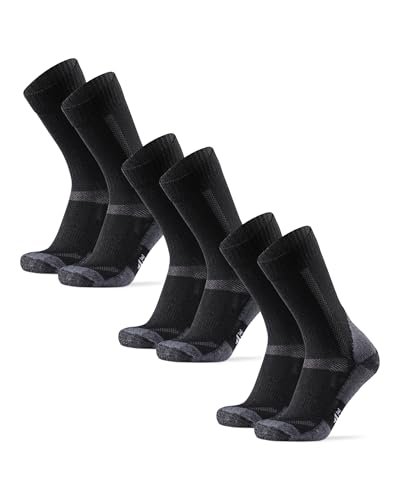
The DANISH ENDURANCE socks are the strongest blister-prevention pick here. Amazon lists them as merino wool hiking socks for men and women, with anti-blister positioning and a mid-calf style. That brief suits boot wear over repeated days because it addresses the main sock problems: moisture, cushioning, coverage, and rubbing. They are not the cheapest option, but they make more sense for serious hiking than cotton-heavy multipacks.
Best for: Most hikers, boot wear, variable weather, longer weekends
Why it stands out: Anti-blister hiking positioning, merino blend, cushioning, mid-calf coverage
2. Alvada Merino Wool Hiking Socks: Best Cold Weather Blister Backup
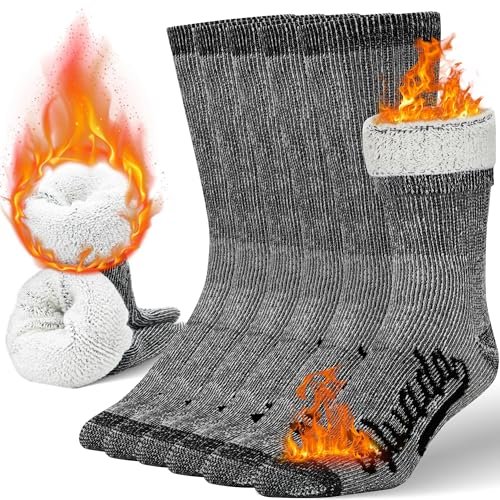
The Alvada Merino Wool Hiking Socks are a good value pick for blister prevention in cold weather, winter boot use, or shoulder-season trips. Amazon lists them as thermal warm crew winter boot socks for men and women, sold as a three-pair pack. That matters because damp socks are a blister trigger. A warm dry spare can be more useful than one expensive pair you have to wear wet.
Best for: Cold-weather trips, hut walks, winter boot use
Why it stands out: Three-pair value, warm feel, merino positioning, dry-spare practicality
3. MOGGEI Women’s Merino Wool Socks: Best Women’s Dry-Spare Multi-Pack
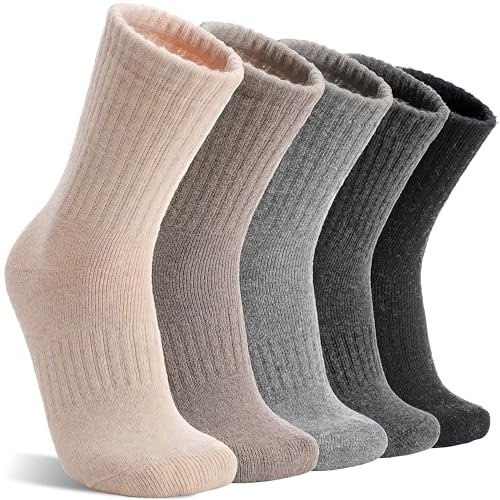
The MOGGEI women’s socks are more warm boot sock than technical hiking sock. Amazon lists the fabric as a wool, cotton, polyester, and spandex blend, with a five-pair pack and a women’s shoe size range. They suit colder walking, camp wear, cabins, and casual boot use. For blister prevention, the appeal is having clean dry spares. For wet-weather hiking, the cotton content is a limitation.
Best for: Women wanting warm value socks, cabin trips, casual cold-weather hiking
Why it stands out: Five-pair pack, warm wool blend, soft feel, dry-spare value
4. Niorasen Men’s Cotton Crew Work Socks: Best Budget Spare Pair
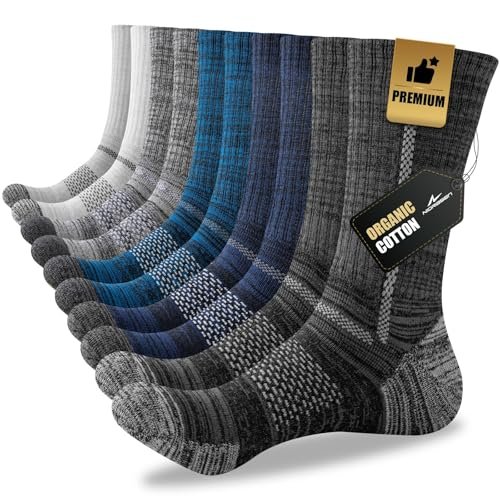
The Niorasen socks are not the technical blister-prevention choice. Amazon lists them as a cotton, polyester, and spandex crew sock with cushioning, arch support, and moisture-wicking claims. They suit easy trails, dry weather, work wear, travel days, or an emergency clean pair in your pack. The cotton content means they are not ideal for cold wet conditions, where damp fabric and friction become a problem.
Best for: Budget buyers, dry trails, spare pairs, general boot wear
Why it stands out: Cheap five-pack, cushioned feel, useful as backup socks
5. Dickies Men’s Dri-Tech Original Moisture Control Crew Socks: Best Everyday Moisture-Control Backup
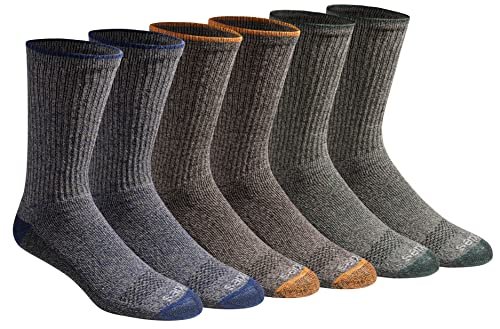
Dickies Dri-Tech socks are work socks first and hiking socks second. If you are walking easy tracks, travelling, car camping, doing short overnight hikes, or wearing boots around camp, they offer practical value. Amazon positions them around moisture control, durability, reinforced heel and toe, and multi-pack buying. For blister prevention on serious wet or cold hikes, choose merino first.
Best for: Easy trails, work boots, travel days, spare socks
Why it stands out: Durable value, multi-pack options, everyday crossover use
How to Choose Hiking Socks for Blister Prevention
Start with your footwear
Socks should match your boots or shoes. Thick socks can make a snug boot too tight, which creates pressure and rubbing. Thin socks can leave room for movement, which also creates rubbing. If your boots are already close-fitting, choose medium cushioning rather than a bulky winter sock. If your footwear is roomy, a thicker crew sock can improve comfort.
Pick merino for multi-day reliability
Merino blends are usually the safer hiking choice because they handle moisture, warmth, and odour better than cotton-heavy socks. They are not magic, and they still need drying time, but they give you more margin when weather turns or your feet sweat all day. Less trapped moisture usually means less blister risk.
Be careful with cotton
Cotton can feel comfortable at home and still be the wrong choice on trail. Once wet, it tends to stay wet. That increases friction, softens skin, and can chill your feet in cold conditions. Cotton-heavy socks are best kept for dry weather, easy walks, travel days, or backup use.
Carry dry spares, not just more socks
For most overnight or weekend hikes, two hiking pairs and one dry camp or sleep pair is enough. For longer trips, rotate pairs and dry the spare on your pack where practical. The point is to avoid one wet, gritty pair for three days. Dry socks are one of the simplest blister-prevention tools you can carry.
If you want the safest blister-prevention all-rounder, choose the DANISH ENDURANCE socks. For cold-weather value and dry spares, choose Alvada. For budget backup pairs, choose Niorasen or Dickies.
Final Thoughts
Good hiking socks do not make a bad boot good, but they can stop a decent boot becoming a blister machine. For multi-day hiking, the smartest blister-prevention choice is usually a merino or wool-blend crew sock with enough cushioning for your footwear and at least one dry spare in the pack.
For the full kit picture, read Multi-Day Hiking Gear: What You Actually Need. If you are still dialing in footwear, also compare Best Breathable Hiking Shoes and Best Insulated Hiking Boots.
Check the Best Overall Pick on Amazon
Frequently Asked Questions
Are merino wool socks best for preventing blisters?
For most multi-day hiking, merino wool or merino-blend socks are the safest blister-prevention choice. They manage moisture better than cotton, feel warmer when damp, and usually resist odour better over repeated days. Less dampness inside your boot means less friction, which is one of the big blister triggers.
How many pairs of hiking socks do I need to prevent blisters?
For a short overnight or weekend hike, two hiking pairs and one dry camp or sleep pair is a good starting point. Wear one pair, keep one dry spare, and protect the camp pair from rain. For longer or wetter trips, add another hiking pair if you cannot reliably dry socks during the day.
Are thick hiking socks better for blisters?
Not always. Thick socks add cushioning and warmth, but they can also make boots too tight and increase pressure points. That can make blisters worse. Match thickness to your footwear and weather. Medium cushioning works for most three-season hikes. Heavier thermal socks are better for cold trips, winter boots, or camp wear.
Can cotton socks cause blisters when hiking?
They can contribute to blisters when they get wet. Cotton holds moisture, dries slowly, and can increase rubbing once damp. Cotton-heavy socks are fine for dry easy trails, travel days, or backup use. For wet, cold, or remote hikes, merino or synthetic hiking socks are a better call.
