


Last updated: July 2026
Wild Trail Hiker is reader-supported. We may earn a commission when you buy through links on this page, at no extra cost to you. We only recommend gear we’d consider taking on a multi-day trip ourselves.
Here is exactly what to pack for the Milford Track: the wet-weather kit built from DOC gear guidance and operator packing lists, not the affiliate catalogue.
There is a moment on the climb to Omanui/McKinnon Pass, somewhere past the treeline, when the Clinton Valley opens up behind you and the scale of Fiordland finally lands: glacier-carved walls dropping straight into rainforest, waterfalls in every direction, cloud moving fast across the ridgelines. It is the payoff four days of walking and months of planning build toward.
Getting there dry is the part that actually needs work. Fiordland receives up to 9,000mm of rain a year, among the highest rainfall totals anywhere on earth, and the Milford Track’s reputation for waterfalls exists precisely because the region almost never stops draining. You could hit four days of steady rain, or four days of clear alpine sun, and you need to be equipped for either without knowing which in advance. This guide is the kit dialled specifically for that uncertainty, not a generic backpacking checklist with New Zealand written on the cover.
If you are still deciding whether to walk it, start with the full Milford Track guide for bookings, route detail and logistics. For the broader gear framework behind these choices, see multi-day hiking gear: what you actually need.
Conditions That Drive Your Kit
| Factor | Milford Track reality |
|---|---|
| Distance and duration | 53.5 km, 4 days / 3 nights, huts only (Clinton, Mintaro, Dumpling) |
| Best season | Great Walks season, 1 November to 30 April; huts staffed and bridges installed |
| Terrain | Maintained track and boardwalk in the valleys; one genuine alpine pass crossing at 1,154 m |
| Rain | Up to 9,000mm a year; realistic on any given day, any season |
| Temperature | Mild in the valleys, near-freezing at Omanui/McKinnon Pass even in summer if wind and rain combine |
| Remoteness | No road access at either end, no cell coverage, no resupply; huts provide mattresses and gas cooktops only |
| Water | Abundant but mixed quality; treat everything |
Every pick below traces back to a line in this table. Full booking, route and transport detail sits in the Milford Track guide.
How This Kit Is Built
This list comes from DOC’s official Milford Track equipment guidance, the packing standards used by Ultimate Hikes’ guided walk operation (which runs the track every season of the year), and independent trip reports from walkers who have done it self-guided. It is built for what the track actually demands, not for what happens to already have a buy button.
Three things make or break a Milford kit: staying dry when the rain does not stop, staying warm at a pass that gets close to freezing even in January, and sleeping warm in an unheated hut bunkroom. Those get the detail below. Everything else still matters and gets a clear, single pick.
Rain Protection: The Category That Defines This Trail
Get this wrong and nothing else you packed matters. DOC’s own equipment list specifies a “raincoat, waterproof, windproof with hood” and separate waterproof overtrousers as standard kit, not optional extras, and that is not DOC being cautious for the sake of it: this is one of the wettest inhabited places on the planet.
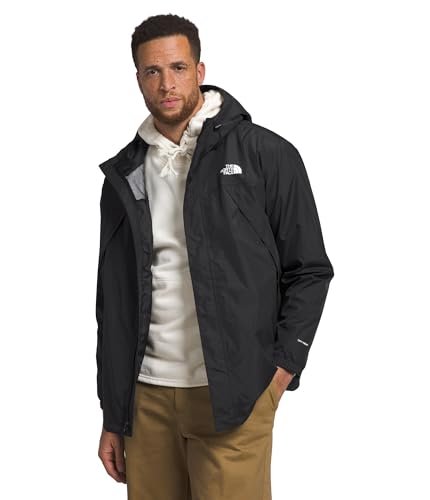
Buy waterproof, not water-resistant. The difference matters more here than on almost any other trail we cover. A genuinely waterproof shell with taped seams and a real hood, like the The North Face Antora Waterproof Jacket, blocks sustained rain rather than beading it off for twenty minutes before soaking through. It is windproof too, which matters directly at Omanui/McKinnon Pass, where wind and rain arriving together is the classic way hikers get cold fast.
Check Price on Amazon | Compare the best hiking jackets
Overtrousers are the piece people skip and regret. DOC lists them as standard kit for good reason: a soaked pair of hiking pants against your legs for six hours is miserable and genuinely chills you faster than a wet upper body. The Marmot PreCip Eco Rain Pant is the safest all-round pick: genuinely waterproof and breathable, with full-length side zips for pulling them on over boots mid-trail. See our best rain pants for hiking for the full comparison, including a lighter ultralight option and a tougher pick for scrubbier terrain.
Check Price on Amazon | Compare the best rain pants for hiking
Cotton has no place in your clothing system here. Base and mid layers should be wool or synthetic, per DOC’s own guidance, so a wet layer dries fast rather than staying cold and clammy for the rest of the day.
Footwear: Mud, Boardwalk, and a Steep Wet Descent
The failure mode on Milford is not a blown-out sole on hot rock (that’s a desert-trail problem); it is losing traction on wet boardwalk, greasy mud, or the rocky, knee-testing descent off Omanui/McKinnon Pass. You want ankle support and a tread pattern built for wet ground, not a fresh pair of trail runners.
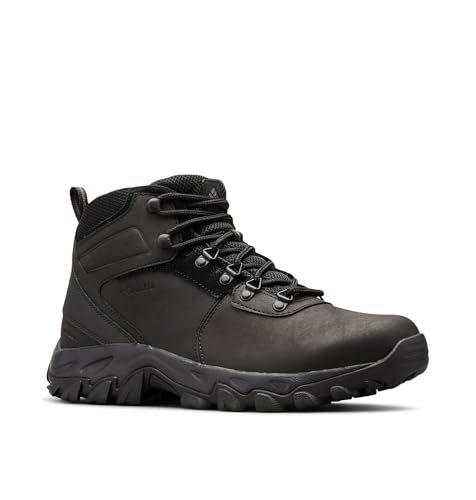
The Columbia Newton Ridge Plus II Waterproof Hiking Boot covers this well: a genuine waterproof membrane, a durable leather-and-mesh upper, and a traction outsole built for slick, uneven surfaces, all from an established hiking brand rather than a general wet-weather boot.
Check Price on Amazon (Men’s) | Check Price on Amazon (Women’s) | Compare the best waterproof hiking boots
Break them in before you fly to New Zealand. Four consecutive wet-weather days is the wrong place to discover a hot spot. DOC also lists gaiters as optional kit, worth adding if you want extra protection from mud and boardwalk splash on the lower-valley sections, and pack a dry pair of socks specifically for evenings in the hut, wet feet in cold bunkrooms is a genuinely miserable way to spend three nights.
Warm Layers: The Pass Gets Cold, Even in Summer
Fiordland’s alpine sections do not read the calendar. DOC is explicit that conditions at Omanui/McKinnon Pass can turn cold, wet and windy at any time of year, and a lunch stop at 1,154 metres in a stiff southerly is a different proposition from the valley floor twenty minutes earlier.
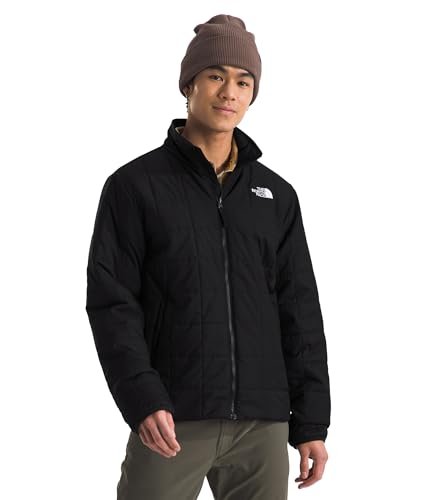
The The North Face Junction Insulated Jacket is a genuine technical layer here rather than a casual puffer: synthetic insulation that keeps working when damp (a real consideration on a trail this wet), a water-repellent finish, and enough warmth for a pass-top stop without the bulk of a full winter coat.
Check Price on Amazon (Men’s) | Check Price on Amazon (Women’s) | Compare the best insulated jackets for hiking
Round out the system with a beanie and gloves (DOC lists both as standard kit, not extras) and a set of warm clothing kept dry specifically for sleeping in, since hut bunkrooms have no heating overnight and can get genuinely cold even in a Fiordland summer.
Sleep System: Unheated Huts, Every Night
DOC’s huts on the Milford Track supply a mattress and nothing else. No bedding, no heating overnight. What you bring is what keeps you warm, and DOC’s own equipment list specifies a “3 to 4 season” sleeping bag as standard kit.
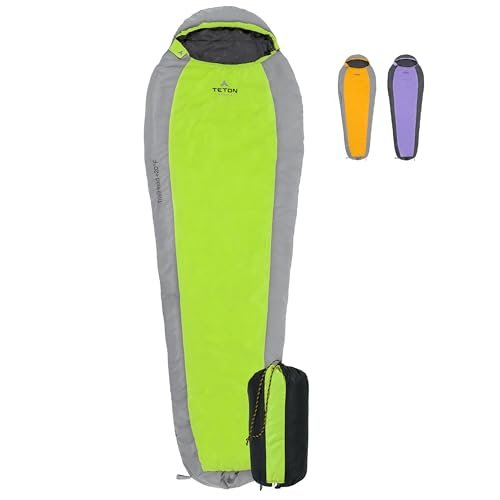
The TETON Sports Trailhead 20 Degree Sleeping Bag comfortably clears that bar: a 20°F (roughly -6°C) rating gives you real margin over an unheated bunkroom, a mummy shape for efficient heat retention, and it comes from an established outdoor brand rather than a warm-weather camping bag dressed up for a colder job.
Check Price on Amazon | Compare the best hiking sleeping bags
You do not need a sleeping pad, the huts provide mattresses, so skip the extra weight and bulk. What you do need is a waterproof pack liner or dry bag around your sleeping bag specifically. Given the rain this trail sees, a soaked sleeping bag on night two is a genuinely bad situation, and it is one of the easiest things on this whole list to prevent.
The Rest of Your Kit
These categories are more straightforward, but each still earns its place on this specific trail.
Backpack
DOC specifies a 40 to 60 litre pack, big enough for four days of food, clothing and a sleeping bag, small enough to stay manageable descending off the pass. The TETON 55L Scout Internal Frame Backpack sits right in that range, and its included rain cover is a genuine bonus on a trail this wet, though you should still line the inside with a dry bag or liner rather than relying on the cover alone.
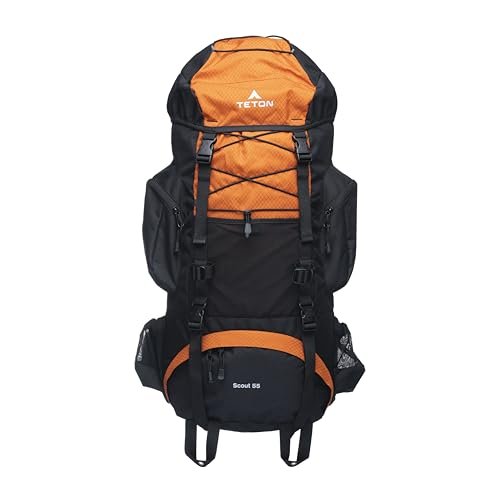
Check Price on Amazon | Compare the best multi-day backpacks
Cooking and eating kit
Huts provide gas cooktops but nothing else, so you carry your own pot, mug, plate, cutlery and a cleaning kit. No stove or fuel needed since cooking facilities are already there, one of the few ways Milford is actually easier to pack for than a fully self-sufficient wilderness trail. See the best camping cookware sets for lightweight hut-friendly kit.
Water treatment
Water is everywhere on this trail, so capacity is not the issue, treatment is. Hut roof-water and backcountry streams both carry some risk, and DOC does not issue a blanket “safe to drink” claim, so treat what you drink rather than gamble source by source. A lightweight squeeze filter handles this trail’s volume easily and needs no batteries.
The Sawyer Squeeze threads onto standard bottles, packs down small, and is the practical, no-fuss choice for a trail where you are filtering small volumes often rather than carrying huge reserves.
Check Price on Amazon | Compare the best water filters for hiking
Trekking poles
The descent off Omanui/McKinnon Pass drops roughly 1,000 metres, on a wet, sometimes greasy surface, and your knees will thank you for the extra points of contact. Poles also help through the boardwalk and mud sections lower down. See the best trekking poles.
Navigation and light
The track is well-marked and maintained, so this is not a technical navigation trail, but DOC still lists a map and compass or GPS app as standard kit, sensible given the total absence of cell coverage. A headlamp with spare batteries is non-negotiable: huts use solar lighting that can be unreliable, and you will want it for early starts and hut bunkroom logistics. See the best headlamps for hiking.
Sandfly defence
Sandflies are a genuine, constant presence at low elevation, especially around Sandfly Point, which is not named ironically. Carry insect repellent somewhere immediately accessible, not buried in your pack, and pack a lightweight long-sleeve layer for sitting still at camp when they are at their worst.
Emergency communication
Mobile coverage does not exist anywhere on this track. DOC’s official equipment list only mandates a PLB for the unmanaged May to October off-season, not the ranger-staffed Great Walks season, but carrying one (or a satellite messenger like a Garmin inReach) regardless is sensible practice on any remote multi-day trail. This is a safety item, not an affiliate pick: buy or hire one you trust and register it before you go.
Kit at a Glance
| Category | Our Pick | Why It Matters Here |
|---|---|---|
| Rain jacket | The North Face Antora Waterproof Jacket | Genuinely waterproof and windproof for up to 9,000mm of annual Fiordland rain |
| Overtrousers | Marmot PreCip Eco Rain Pant | DOC-mandated; keeps legs from chilling in sustained rain |
| Boots | Columbia Newton Ridge Plus II | Waterproof membrane and traction sole for mud, boardwalk and the wet pass descent |
| Insulated jacket | The North Face Junction Insulated Jacket | Synthetic fill keeps warming when damp; covers near-freezing pass conditions |
| Sleeping bag | TETON Sports Trailhead 20 Degree | Clears DOC’s 3-4 season guidance for unheated hut bunkrooms |
| Backpack | TETON 55L Scout | Fits DOC’s 40-60L spec; rain cover included for a wet trail |
| Water treatment | Sawyer Squeeze | Fast, light treatment for frequent small refills |
| Trekking poles | See best trekking poles | Saves knees on the roughly 1,000m descent off the pass |
What You Can Skip / Over-Packing Traps
You do not need a sleeping pad. DOC huts supply mattresses in every bunkroom, so a pad is dead weight on this particular trail, unlike a backcountry campsite trail where it would be essential.
You do not need a stove or cooking fuel. Gas cooktops are provided at all three huts. Bringing your own stove just adds weight and fuel you cannot use.
You do not need a four-season mountaineering shell or heavyweight alpine boots. This is a well-formed, maintained Great Walk, not an unmarked alpine route. Genuinely waterproof kit and ankle-supportive boots are enough; you are not gearing up for technical terrain.
And you do not need to pack light on rain gear to save weight. This is the one trail where erring toward “more waterproof than you think you need” is the correct call, not overpacking. A soaked base layer at Mintaro Hut on night one is a bad way to spend the next three days.
Renting vs Buying
Gear hire is genuinely common around Te Anau and Queenstown for this specific trail, more so than for most tracks we cover, because so many walkers are visiting New Zealand once and do not want to buy and freight cold-weather gear home. Operators including Bev’s Tramping Gear Hire (Te Anau-based, packs and sleeping bags), Outside Sports (hire in Queenstown, return in Te Anau or vice versa), and EasyHike all serve Milford Track walkers specifically. If this is a one-off trip, hiring the bulkier items, pack and sleeping bag especially, can make more sense than buying and hauling them home. If you already hike regularly, gear that handles sustained wet cold pays off across other trails too.
Final Thoughts
Get the wet-weather kit right on Milford and the trail stops being a logistics exercise and becomes what it is famous for: waterfalls at every turn, an alpine pass with views over two valleys, and a fiord finish that closes out four days about as well as any trail on earth manages. When your kit is sorted, plan the route, bookings and water strategy with the full Milford Track guide, and back up your gear logic with multi-day hiking gear: what you actually need. For another multi-week, high-planning trail in a similar register, see our John Muir Trail guide.
Frequently Asked Questions
Do I really need waterproof overtrousers for the Milford Track, or is a rain jacket enough?
Both. DOC lists overtrousers as standard kit, not optional, alongside a waterproof jacket. A jacket alone leaves your legs exposed to hours of rain, and wet trousers against your skin chill you faster than most people expect. Treat the two as a pair, not a choice between them.
Can I rent gear near the Milford Track instead of buying it?
Yes, more so than most trails we cover. Te Anau and Queenstown both have established hire operators (Bev’s Tramping Gear Hire, Outside Sports, EasyHike among them) who specifically serve Milford Track walkers, with packs and sleeping bags the most commonly hired items. Worth considering if this is a one-off trip.
What’s the one thing people forget to pack for the Milford Track?
Proper overtrousers. Walkers pack a good rain jacket and assume that covers it, then spend day two with soaked trousers and cold legs. It is the most commonly skipped item on DOC’s own mandatory list.
How heavy should my pack be for the Milford Track?
There is no official target, but since huts supply mattresses and gas cooktops, you are not carrying a sleeping pad or a stove, which keeps a well-packed load lighter than a fully self-sufficient backcountry trail of the same length. Most walkers manage comfortably with a 40 to 60 litre pack at a moderate load; the main added weight is simply carrying genuinely waterproof gear rather than lightweight compromises.
