

Last updated: August 2026
Wild Trail Hiker is reader-supported. We may earn a commission when you buy through links on this page, at no extra cost to you. We only recommend gear we’d take on a multi-day trip ourselves.
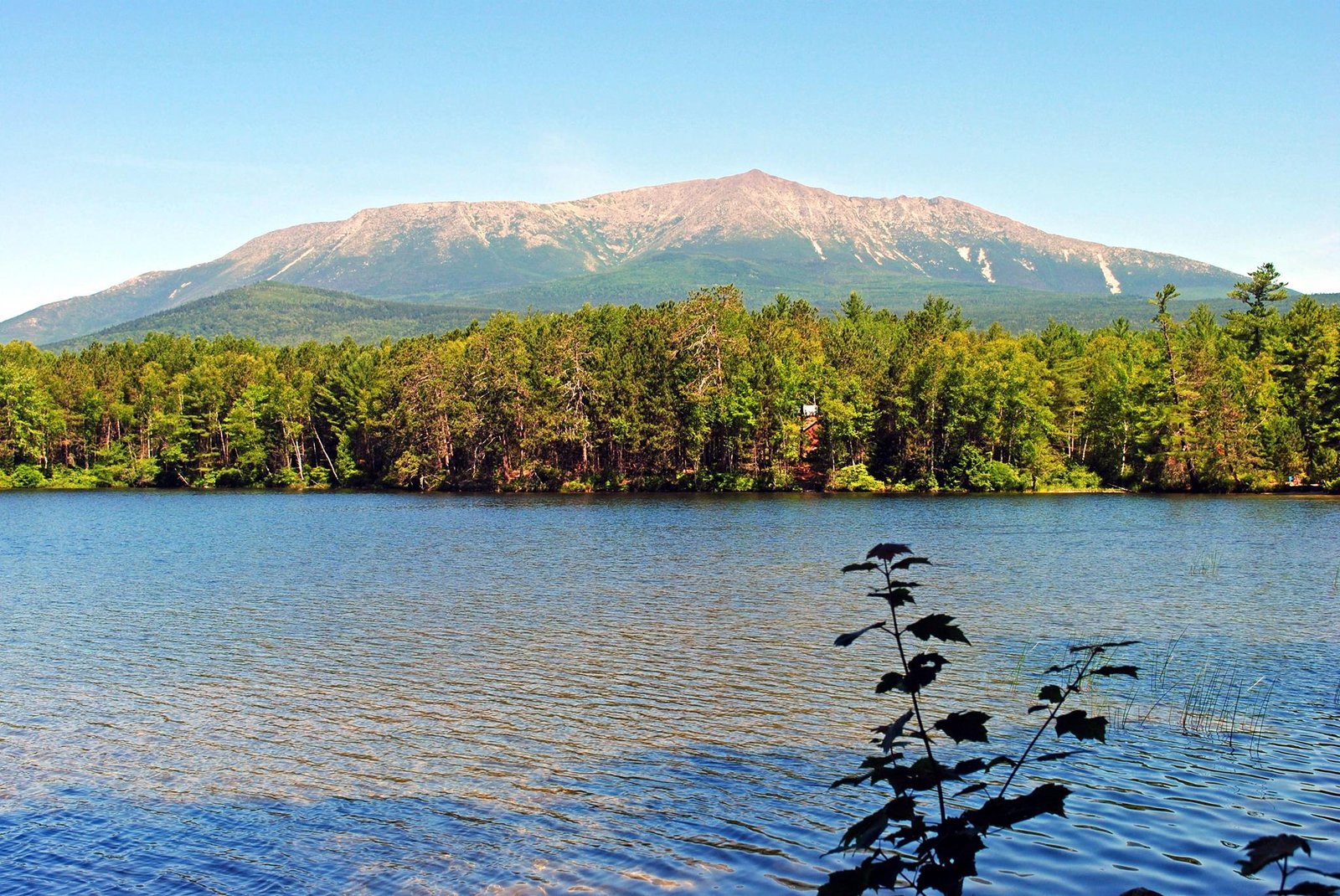
There is a moment on the boulder scramble above treeline on Katahdin, rebar handholds bolted into bare rock and Maine spread out below in every direction, that most AT thru-hikers wait five months for. You can get there in a nine-day trip through the 100-Mile Wilderness instead. Or spend a weekend on the open, wind-scoured balds of Grayson Highlands with a wild pony herd grazing past your boots, or three days on the Smokies ridgeline to a stone fire tower with a 360-degree view of two states.
Three sections, three genuinely different demands on a gear list. Grayson Highlands is a short, exposed, single-car loop. The Smokies section is a shuttle-dependent ridge walk with mandatory bear cables at every camp. The 100-Mile Wilderness is a real backcountry expedition: no resupply, no cell service, black flies that test your resolve before the trail tests your legs. This guide covers what to pack for the Appalachian Trail’s best sections honestly: a shared core that works everywhere, plus the calls that change section to section.
Still deciding which of the three to walk? Start with the full Appalachian Trail best sections guide for routes, permits, and day-by-day detail. For the thinking behind these gear choices more broadly, see multi-day hiking gear: what you actually need.
Conditions That Drive Your Kit
| Factor | Grayson Highlands (VA) | Smokies: Newfound Gap–Davenport Gap | 100-Mile Wilderness to Katahdin (ME) |
|---|---|---|---|
| Distance / duration | ~21.5 mi, 2 to 3 days | ~31 mi, 3 to 4 days | ~114 mi, 7 to 9 days |
| Season | May to October | April–June, September–October | Mid-June to early October |
| Terrain | Open balds, rock outcrops | Sustained ridge, frequent PUDs | Forest, bogs, remote high ridges, Katahdin summit scramble |
| Food storage | Bear boxes at set points | Mandatory bear cables, every camp | No consistent cables; canister or hang |
| Bugs / wildlife | Low bug pressure, wild ponies | Moderate bugs, black bears | Black flies and mosquitoes, moose, black bears |
All three sit inside the same trail corridor but read like different trips. Full route and permit detail sits in the destination guide; every gear call below traces to a line in this table.
How This Kit Is Built
This list starts from the Appalachian Trail Conservancy’s own backpacking Ten Essentials guidance, cross-checked against section-specific trip reports and the official food storage rules for each area (Grayson Highlands State Park, Great Smoky Mountains National Park, Baxter State Park). Three things drive most calls below: food storage rules that change completely between sections, weather colder and windier than the trailhead suggests, and the 100-Mile Wilderness’s total lack of resupply once you start walking.
The Kit, by Category
Backpack
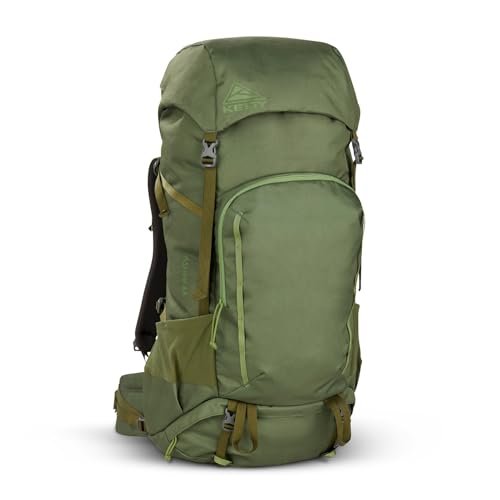
Nine days of food and gear for the 100-Mile Wilderness adds up fast. The Kelty Asher 65L is sized for that full carry, with room left for a bear canister. The same pack works fine, if a little roomy, for the shorter Grayson Highlands and Smokies trips, so it’s a reasonable one-pack answer across all three.
Check Price on Amazon | Compare the best internal frame backpacks
Footwear
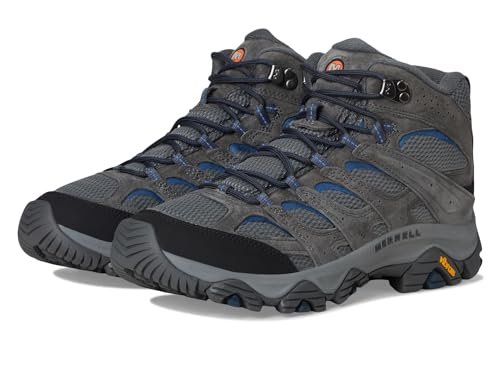
This is where the three sections diverge most. The Smokies’ rocky, root-woven tread and Katahdin’s boulder scramble both punish weak ankles, so a sturdy, broken-in boot with real ankle support is the safer default. The Merrell Moab 3 Mid covers that: forgiving fit, dependable grip, enough structure for consecutive long days.
Check Price on Amazon | Compare the best hiking boots
Trail runners are a reasonable call on Grayson Highlands’ gentler balds for hikers who already favour them. Maine changes the calculation again: bogs, unbridged streams, and early-summer snowmelt get water in over the top of any boot, so expect wet feet regardless. Pack extra dry socks and lightweight camp or water shoes, Crocs are the trail-standard choice, for crossings and drying out at camp.
Sleep system
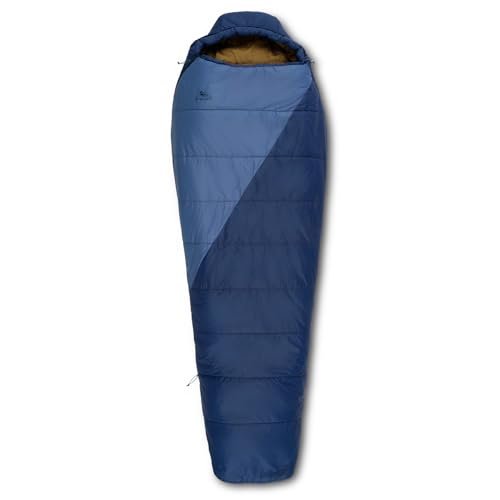
Nights run cooler than the trailhead suggests on all three; the ATC notes you lose 5 to 10 degrees of warmth per 1,000 feet of elevation. A three-season synthetic bag like the Kelty Cosmic Synthetic 20 Degree gives real margin without winter-bag weight, and keeps insulating if it picks up damp.
Check Price on Amazon | Compare the best synthetic sleeping bags
Pair it with an insulated inflatable pad, not foam alone. Cold ground pulls heat from underneath, and 100-Mile Wilderness shelter platforms are hard, uneven wood. The Therm-a-Rest NeoAir XLite NXT, R-value 4.5, is the benchmark for warmth-to-weight here.
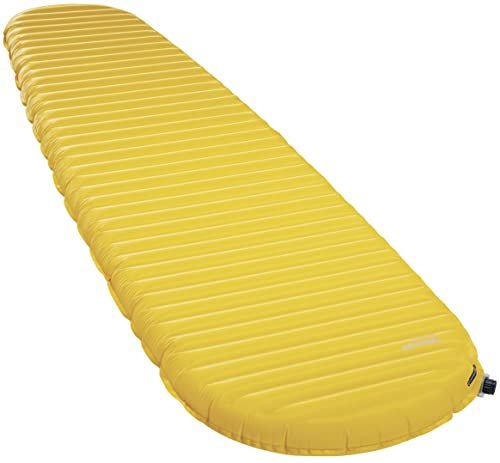
Check Price on Amazon | Compare the best insulated sleeping pads for hiking
Shelter
A freestanding tent earns its keep on all three. Grayson Highlands’ open, windy balds and the Smokies’ rocky ridge sites make stakes-only pitches risky, and in Maine a freestanding design lets you set up on a shelter’s wooden platform if the lean-to is full or buggy. The Kelty Grand Mesa 2P stands on its own where pegs won’t bite and vents well against condensation.
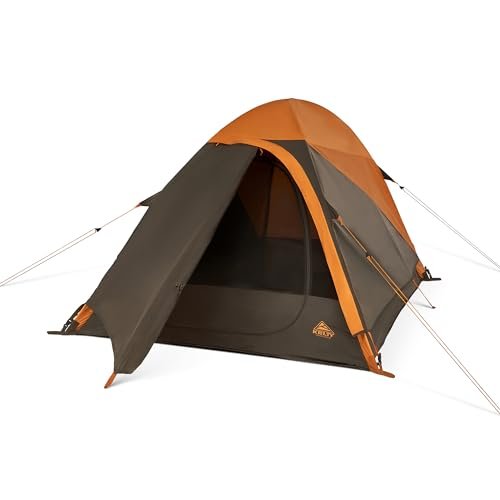
Check Price on Amazon | Compare the best freestanding tents
Insulated layer
Grayson Highlands’ balds, the Smokies’ ridgeline, and especially the Katahdin summit day all run colder and windier than the calendar promises. The North Face ThermoBall Eco Jacket 2.0 is the safer all-round pick: synthetic fill keeps working when damp from sweat or mist, which matters more on an exposed ridge than a marginal weight saving on down.
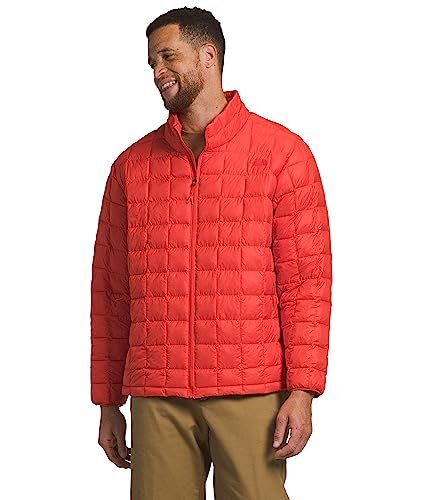
Check Price on Amazon | Compare the best insulated jackets for hiking
Rain and wind shell
The AT’s nickname among some hikers, “the green tunnel,” exists partly because so much of it is walked in wet, humid forest. Real rain is a fair assumption on all three sections regardless of forecast. The Patagonia Torrentshell 3L gives proper 3-layer protection rather than a light emergency layer, which is what a fast-arriving storm actually calls for.
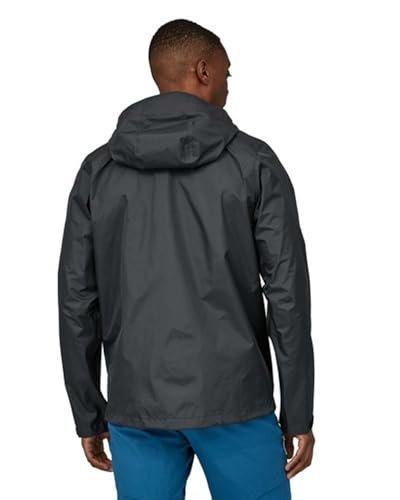
Check Price on Amazon | Compare the best waterproof jackets
Trekking poles
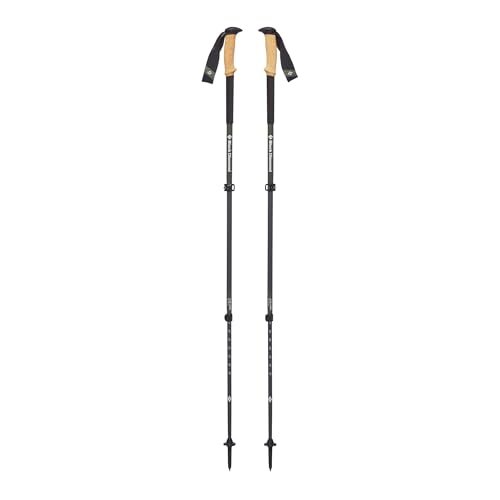
All three sections reward them for different reasons: the Smokies’ relentless “PUDs” (pointless ups and downs), Katahdin’s boulder approach, and the boggy footing through the 100-Mile Wilderness. The Black Diamond Alpine Carbon Cork is a durable, comfortable choice for a multi-day carry.
Check Price on Amazon | Compare the best trekking poles
Water treatment and carry
Availability differs by section. Grayson Highlands’ balds run thinner than the surrounding forest, so plan camps near Old Orchard or Thomas Knob Shelter. The Smokies are water-rich, with springs near nearly every shelter. The 100-Mile Wilderness has abundant water for most of its length, with the main dry stretches over the Chairback and White Cap ranges.
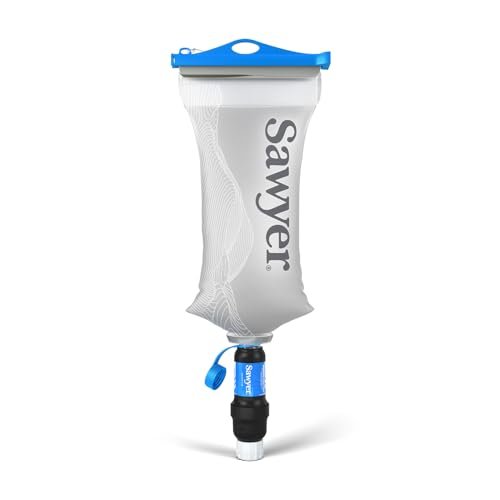
None of it is safe to drink untreated. The Sawyer Squeeze covers all three sections well: threads onto standard bottles and bladders, holds up over repeated use, and packs down small.
Check Price on Amazon | Compare the best water filters for hiking
Food storage and bear safety
This is the category that changes most between the three sections, and getting it wrong ranges from an inconvenience to a real problem depending on which one you’re walking. Grayson Highlands provides bear boxes at Thomas Knob Shelter, Rhododendron Gap, Wise Shelter, and Scales, so a personal canister isn’t required there, just discipline about using the boxes. The Smokies go further: food, trash, and scented items must go on the provided bear cables at every backcountry campsite, no exceptions, and rangers enforce it.
The 100-Mile Wilderness is the one section where you can’t count on cables being there or working. The ATC recommends a bear canister as the most effective method trail-wide, though most AT hikers still rely on a bear hang instead. For a simpler, more reliable option on a remote nine-day carry, the BearVault BV500 is the standard pick: enough volume for a full solo food carry, and you can still hang it from a cable where one exists.
Going the hang route instead: carry at least 50 feet of paracord and a stuff sack rated for the job, and practise the throw before you need it in the dark with black flies on your neck.
Bug protection
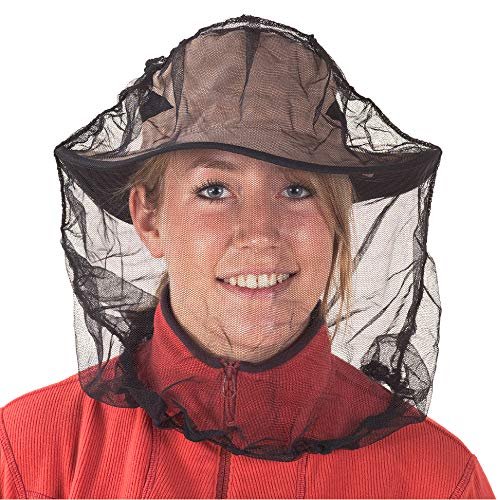
Low pressure in Grayson Highlands, moderate in the Smokies, genuinely brutal in the 100-Mile Wilderness through black fly season (late May to June) and mosquito season (June to July), easing by mid-August. A wearable head net earns its place on the Maine section specifically. The Sea to Summit Mosquito Head Net stays on while you hike, cook, or filter water, unlike a sleep-only screen.
Check Price on Amazon | Compare the best bug nets for camping
Pair it with high-DEET repellent and light gloves. Black fly bites cluster around wrists and knuckles, and scratched bites are a genuine nuisance five days from the nearest store.
Headlamp
Mandatory on all three per the ATC’s essentials list: early starts on the Smokies’ longer days, a pre-dawn Katahdin summit attempt, and general camp use. Look for a reliable red-light mode and easy one-hand operation.
Navigation and sun protection
Cell coverage is unreliable to nonexistent on the 100-Mile Wilderness and patchy on the other two. All three are well blazed, so this isn’t off-trail navigation territory, but a downloaded offline map or the FarOut app plus a paper map for Maine is the sensible baseline. A compass is a sound, battery-free backup: compare the best hiking compasses if you don’t already carry one.
Grayson Highlands’ open balds have the least tree cover of the three, and Charlies Bunion and Mount Cammerer’s fire tower are exposed viewpoints with no shade on the approach. A wide-brim hat, UV sunglasses, and sunscreen matter more here than the forest-heavy Smokies or Maine.
Maine’s bogs and crossings also add wet gear more often than the other two sections. A small dry bag for your phone and permit paperwork is cheap insurance; see best dry bags for hiking.
Kit at a Glance
| Category | Our Pick | Why It Matters Here |
|---|---|---|
| Backpack | Kelty Asher 65L | Sized for the 100-Mile Wilderness’s full nine-day carry |
| Boots | Merrell Moab 3 Mid | Ankle support for the Smokies’ rocky tread and Katahdin’s boulder field |
| Sleeping bag | Kelty Cosmic Synthetic 20 Degree | Real cold margin, synthetic fill handles damp |
| Sleeping pad | Therm-a-Rest NeoAir XLite NXT | R-4.5 warmth-to-weight for cold ground or hard shelter platforms |
| Shelter | Kelty Grand Mesa 2P | Freestanding for windy balds and shelter platform pitches |
| Insulated jacket | North Face ThermoBall Eco Jacket 2.0 | Keeps insulating when damp on exposed ridgelines |
| Rain/wind shell | Patagonia Torrentshell 3L | Real 3-layer protection for the green tunnel’s genuine rain |
| Trekking poles | Black Diamond Alpine Carbon Cork | Stability on PUDs, boulder approaches, and boggy footing |
| Water filter | Sawyer Squeeze | Light, durable treatment across all three sections |
| Bear canister | BearVault BV500 | Best option where cables are not consistently available (Maine) |
| Bug head net | Sea to Summit Mosquito Head Net | Wearable protection through Maine’s black fly and mosquito season |
| Headlamp | Compare current picks | Mandatory per ATC essentials; red-light mode, one-hand operation |
| Sun protection | Wide-brim hat, UV sunglasses, sunscreen (spec) | Grayson Highlands’ shadeless balds specifically |
What You Can Skip
You don’t need a bear canister for Grayson Highlands or the Smokies. Both provide fixed food storage, boxes in Virginia, mandatory cables in the Smokies, and a personal canister on top of that is dead weight, not extra safety.
You don’t need ten days of food capacity for the two short sections. That’s a Maine-specific number driven by the 100-Mile Wilderness having no resupply between Monson and Abol Bridge.
You don’t need “guaranteed waterproof” boots in Maine and then a sense of betrayal when your feet get wet anyway. Bogs and fords get water in over the top of any boot. Plan for wet feet instead: dry socks, camp shoes, and stop chasing a claim the terrain won’t honour.
And you don’t need brand-new gear for any of these three. A shuttle-dependent section, or nine days with no easy bail-out in Maine, is the wrong place to debut an unbroken-in boot.
Final Thoughts
Three sections, three different demands, one kit that flexes to cover all of them: wind and sun for Grayson Highlands, mandatory bear cables and relentless PUDs for the Smokies, total self-sufficiency and black flies for the 100-Mile Wilderness. Get the shared core right, footwear, warmth, rain protection, food storage, and the section-specific calls become easy add-ons rather than a second gear list.
Once you’ve sorted what to pack for the Appalachian Trail’s best sections, plan the routes, permits, and shuttle logistics with the full Appalachian Trail best sections guide, and back up your gear logic with multi-day hiking gear: what you actually need. If you’re building toward the White Mountains’ own AT stretch next, see what to pack for the Presidential Traverse.
Frequently Asked Questions
Do I need different gear for each of these three AT sections?
Mostly no. A shared core, sturdy boots, a synthetic insulated jacket, a real rain shell, and a reliable water filter, covers all three. The real differences: bear boxes versus mandatory cables versus a canister or hang for food storage, and a wearable bug net that only earns its place in Maine.
Do I need a bear canister for any of these sections?
Not for Grayson Highlands or the Smokies; both require fixed food storage instead. Maine is different: cables aren’t consistently available, and while a proper bear hang works, a canister like the BearVault BV500 is the simpler, more reliable option for a nine-day remote carry.
How bad are the black flies in the 100-Mile Wilderness, really?
Bad enough that a wearable head net isn’t optional gear in late May and June. They ease through July and are mostly gone by mid-August, so timing your hike for late summer or early fall genuinely changes the trip.
Boots or trail runners for these sections?
A sturdy boot with real ankle support is the safer default, especially for the Smokies’ rocky tread and Katahdin’s boulder scramble. Trail runners are reasonable on Grayson Highlands’ gentler balds for hikers who already prefer them, but it’s not the place to switch systems for the first time, given Maine’s wet, root-strewn footing.
