

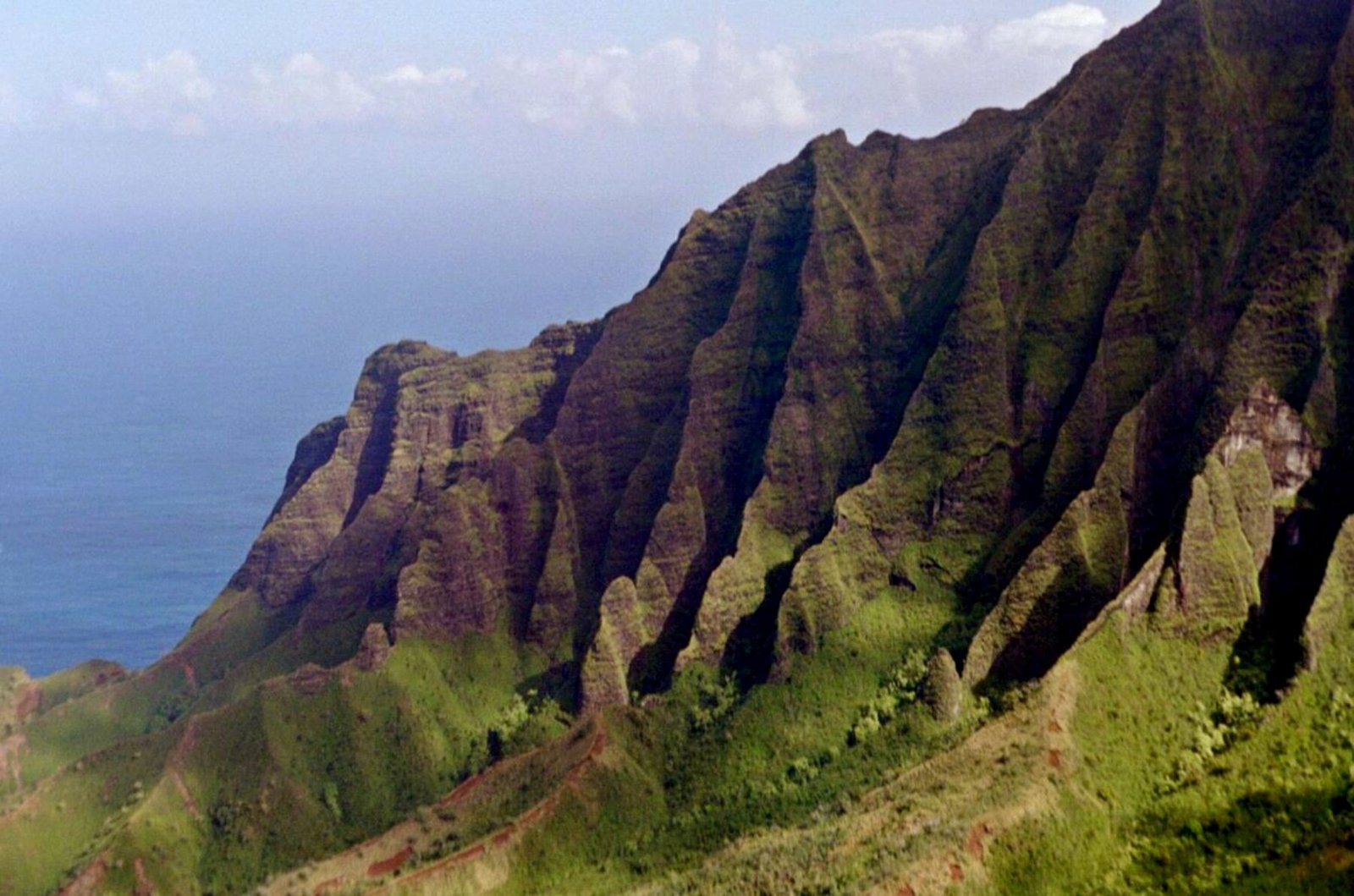
There is a point on the climb out of Hanakāpī’ai where the jungle opens for a moment and you can see the fluted green cliffs of the Nā Pali Coast running north as far as the haze allows. Most people stop walking. It is the kind of view that makes the permit fight and the eleven miles back out feel like a fair trade.
Getting there is also where a lot of hikers get their kit wrong. This is not a cold mountain trail, and packing like one is the single most common mistake on this route: hikers who show up with a four-season tent, a 20-degree bag, and stiff leather boots carry weight this trail never asked for, while under-planning for what actually causes problems here, water you cannot trust and mud that never dries. This is the kit built for what Kalalau demands, not a generic checklist with “Hawaii” stapled on the front.
Still deciding whether to walk it? Start with the full Kalalau Trail guide for permits, the day-by-day breakdown, and Crawler’s Ledge. For the broader kit picture behind these choices, see multi-day hiking gear: what you actually need.
Conditions That Drive Your Kit
| Factor | Kalalau reality |
|---|---|
| Distance and duration | 22 miles round trip, typically 3 to 4 days (2 nights minimum, up to 5 permitted) |
| Best season | May to October brings steadier weather, but flash floods and storm swells can happen in any month |
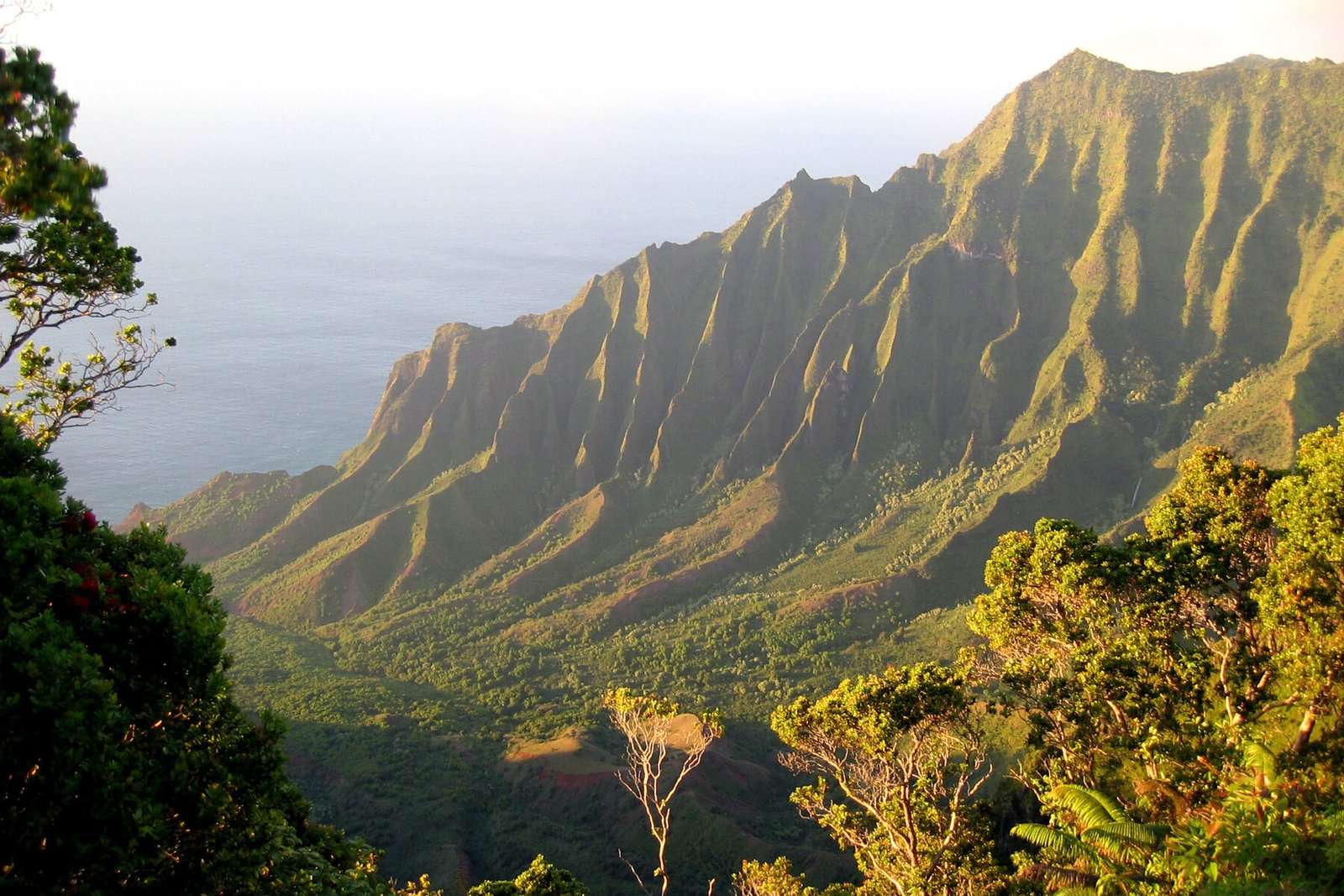
| Terrain | Muddy, root-crossed jungle valleys alternating with exposed, sunbaked ridgeline; one severe exposure section (Crawler’s Ledge, mile 7 to 8) |
| Temperature | Warm and humid year-round, rarely below 60°F; heat and humidity are the real risk, not cold |
| Water | Three stream crossings are the only sources; all require treatment, and a 2024 norovirus closure confirmed the risk is real, not theoretical |
| Remoteness | No cell coverage anywhere on the trail, no resupply, no ranger station; you carry everything and hike everything back out |
Every pick below traces back to a line in this table. Full permit, itinerary, and safety detail sits in the Kalalau Trail guide.
How This Kit Is Built
This list is built from Kalalau-specific packing resources maintained by hikers who walk this trail every season, cross-referenced against the trail’s own documented hazards: the 2024 norovirus contamination, Crawler’s Ledge’s exposure, and a tropical climate that makes cold-mountain gear dead weight. Three things make or break a Kalalau trip: treating water that carries a genuine disease risk, choosing footwear for mud and fords instead of alpine rock, and a sleep system sized for tropical nights instead of a cold camp. Those get the detail below. The rest still matters, and gets a clear pick.
The Kit, by Category
Water Treatment: The Category That Defines This Trail
Every drop on this trail comes from one of three streams, Hanakāpī’ai, Hanakoa, or Kalalau, and none of it is safe untreated. What makes Kalalau different from most trails on this site is a documented 2024 norovirus outbreak traced to contaminated stream water, worsened by unauthorized camps routing waste toward the sources hikers were drinking from. Norovirus is small enough that some hollow-fiber filters alone are not rated to remove it, so a plain squeeze filter is not automatically the right primary pick here.
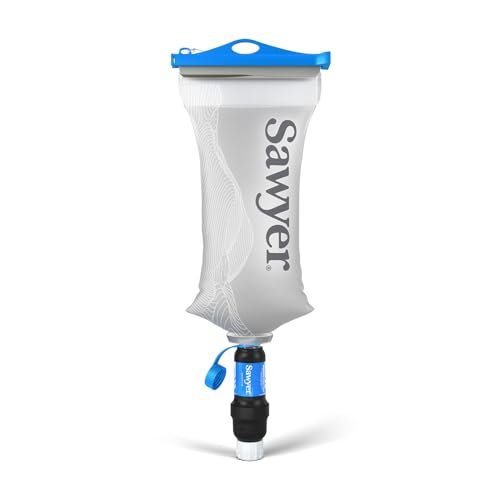
For the strongest single-device answer, the GRAYL GeoPress presses a full bottle clean in about eight seconds and is positioned by GRAYL for viruses as well as bacteria and protozoa, not just sediment. That broader protection is exactly what a documented waterborne-illness incident calls for, one device instead of a filter-plus-backup routine at every stream.
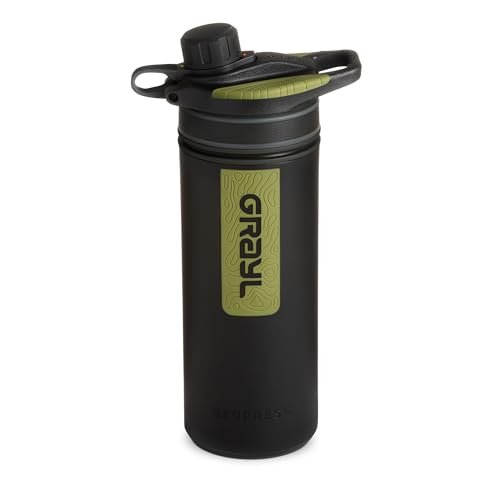
If you would rather save weight and already own a hollow-fiber filter, the Sawyer Squeeze is a fine lightweight option for bacteria and protozoa, but pair it with a chemical treatment or UV step for the norovirus risk specifically. Do not rely on the Squeeze alone at any of the three crossings.
Carry only 2 to 3 litres of capacity between crossings rather than a full day’s supply from the trailhead; the streams are frequent enough that hauling more just adds weight. Compare the wider range in best water filters for hiking, and check the Kalalau Trail guide for current advisories.
Footwear: Built for Mud and Fords, Not Alpine Rock
This is the category where Kalalau breaks the usual rulebook. On a rocky desert or alpine trail, a stiff, sturdy boot is the safer default. Here, the terrain is mostly wet jungle mud, three stream fords, and short scrambles, and heavy waterproof boots trap water rather than shedding it, staying sodden for the rest of the trip once soaked.
A lightweight, quick-draining trail shoe is the better call for most hikers. The Merrell Moab 3 breathes well, dries fast between crossings, and has enough tread for the rooty, uneven sections without the weight or dry-out time of a boot.

Compare the best breathable hiking shoes.
Experienced hikers often go further and swap to amphibious sandals (Chaco or Keen Newport-style, secure heel strap) for the whole trail, especially for the Big Pool swimming hole and the river crossing near the beach. Treat that as an experienced-hiker upgrade, not the safer default: it demands tough feet and confident footing on wet rock. No dedicated hiking sandal article is live on the site yet, logged as a content gap below.
Either way, carry two pairs of thin synthetic or merino socks. Wet feet for four days is a blister and rot risk.
Sleep System: Built for Heat, Not Cold
Every cold-mountain trail on this site pushes you toward a 0°F bag and an R-value 3+ pad. Kalalau is the opposite problem: coastal temperatures rarely drop below 60°F, so a standard backpacking bag is genuinely too hot, and the sleep system that works on the Larapinta or the John Muir Trail is the wrong answer here.
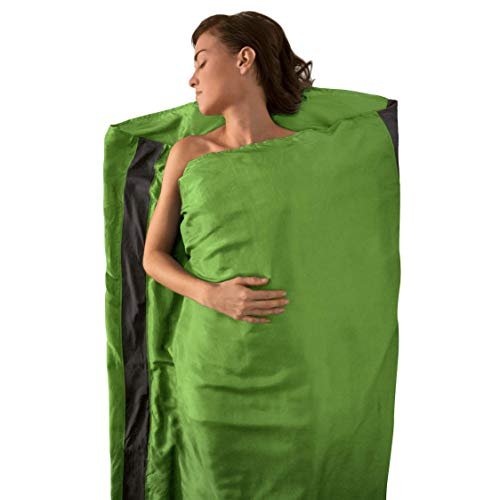
Swap the bag for a Sea to Summit Premium Silk Liner (Rectangular). On its own, or paired with a light sheet on cooler nights, it covers the actual temperature range at a fraction of the weight of a mummy bag, and doubles as a hygiene layer in the roofed Hanakoa shelters.
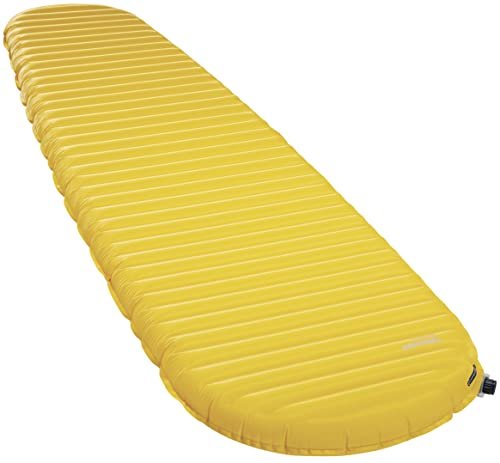
The beach and valley camps are hard-packed sand and rock, not deep cold ground, so you do not need the Larapinta’s R-value 3+ threshold underneath you. The Therm-a-Rest NeoAir XLite NXT earns its place on comfort and packed size, not insulation: at roughly 340g it disappears into a pack built around a liner instead of a full bag, and the R-4.5 rating is simply more margin than this trail needs.
Compare insulated sleeping pads for hiking.
Backpack
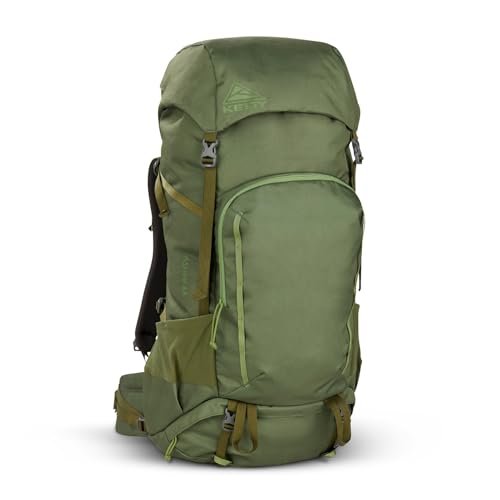
Add four days of food and gear together and a poorly fitted pack turns the Hanakāpī’ai switchbacks into a shoulder injury. Independent Kalalau resources consistently recommend 50 to 70 litres with a frame that moves load onto your hips. The Kelty Asher 65L sits mid-range with a supportive hip belt and fabric that holds up to being set down on wet rock.
Compare the best internal frame backpacks.
Shelter
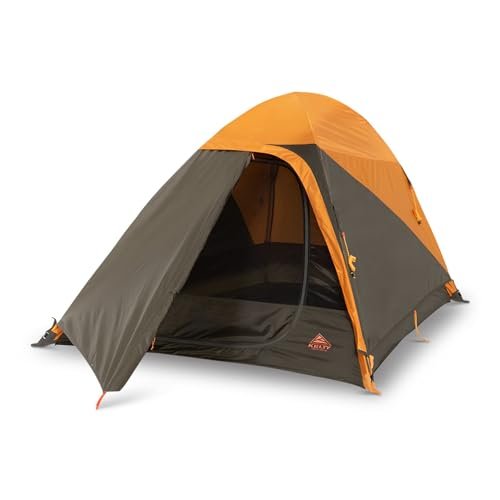
A three-season, double-wall tent with a full rainfly and real ventilation is the standard recommendation, specifically to manage condensation in tropical humidity rather than fend off cold or snow load. The Kelty Grand Mesa 2P is freestanding, which matters on rocky, hard-to-peg beach and valley campsites, and its mesh body vents well against overnight humidity.
Compare the best freestanding tents.
A hammock with an integrated bug net and rain tarp is a genuine alternative some repeat Kalalau hikers use, since there are trees at most camps. It is niche enough that we are not naming a specific product. If you already hammock camp, this trail suits it; otherwise, a tent is the simpler call.
Rain Protection
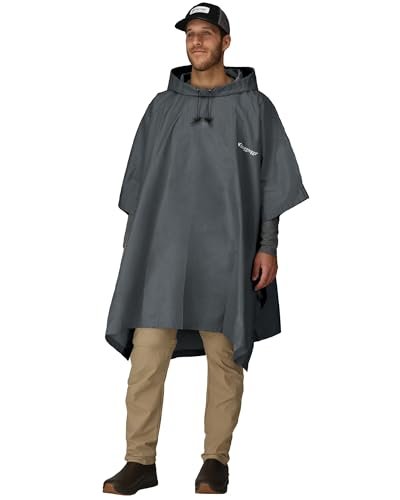
Trade wind squalls arrive with little warning, especially overnight, but this is warm rain, not the cold, wind-driven weather other trails on this site prepare for. A breathable, packable poncho beats a heavy technical shell. The FROGG TOGGS Ultra-Lite2 Reusable Poncho covers you and your pack in a downpour without adding real weight.
Compare best rain ponchos for hiking.
Trekking Poles
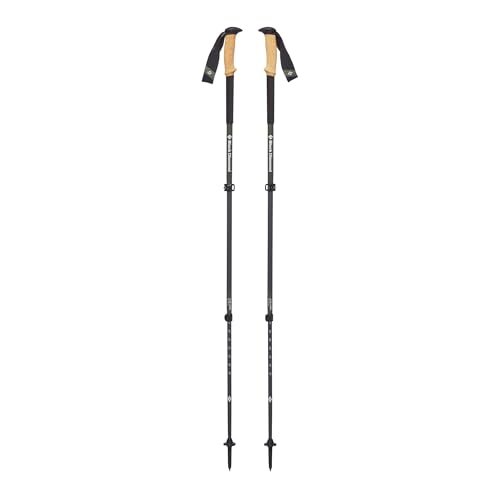
The steep, eroded switchbacks in and out of five valleys are hard on knees, and poles help on the loose, muddy ground between them. The Black Diamond Alpine Carbon Cork is durable enough for repeated wet-mud use. Most hikers stow poles entirely for Crawler’s Ledge, so both hands stay free.
Compare the best trekking poles.
Headlamp
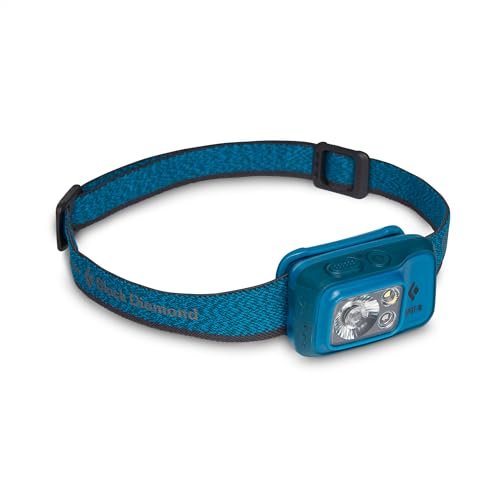
There is no light source at the Hanakoa shelters beyond what you bring, and an early start on the return day often means finishing in the dark. The Black Diamond Spot 400-R pairs genuine IP67 waterproofing with a rechargeable battery, worth having given how often gear gets rained on or dunked here.
Compare best headlamps for hiking.
Sun Protection
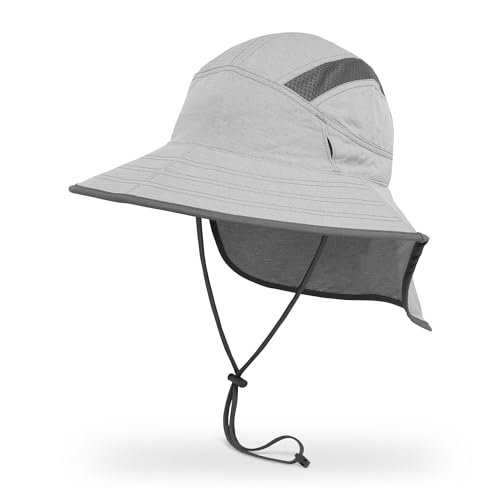
The ridgeline stretches between valleys, especially around Crawler’s Ledge, carry almost no shade, and the tropical sun is intense even outside summer. The Sunday Afternoons Ultra Adventure Hat is UPF 50 and folds flat, surviving being stuffed away for the jungle sections and pulled back out for the ridge.
Compare best sun hats for hiking once live.
Dry Bags and Electronics Protection
Three unbridged stream crossings, constant humidity, and ocean spray near the sea caves are hard on a phone, a paper permit, and anything electronic. A dry bag is cheap insurance. See best dry bags for hiking once live for sizing; a small 3 to 8 litre bag covers a phone, permit, and headlamp, with a larger one as a pack liner for full-pack protection.
Kit at a Glance
| Category | Our Pick | Why It Matters Here |
|---|---|---|
| Water treatment | GRAYL GeoPress | Rated for viruses, matching the trail’s documented 2024 norovirus incident |
| Water backup | Sawyer Squeeze | Light backup filter; pair with chemical treatment for virus risk |
| Footwear | Merrell Moab 3 | Breathable and quick-draining for mud and fords, not a waterlogged boot |
| Sleep liner | Sea to Summit Premium Silk Liner | Covers the actual warm-night range; a full bag is overkill here |
| Sleeping pad | Therm-a-Rest NeoAir XLite NXT | Light and packable for hard-packed sand and rock camps |
| Backpack | Kelty Asher 65L | Frame and hip belt for four days of food and gear on steep switchbacks |
| Shelter | Kelty Grand Mesa 2P | Freestanding for rocky camps, vents well against humidity |
| Rain protection | FROGG TOGGS Ultra-Lite2 Poncho | Breathable coverage for warm trade wind squalls |
| Trekking poles | Black Diamond Alpine Carbon Cork | Saves knees on eroded switchbacks; stow for Crawler’s Ledge |
| Headlamp | Black Diamond Spot 400-R | IP67 waterproof; the only light source at the Hanakoa shelters |
| Sun hat | Sunday Afternoons Ultra Adventure Hat | UPF 50, packable, for the shadeless ridgeline stretches |
What You Can Skip
Plenty of hikers carry a cold-mountain kit up switchbacks that never needed it.
You do not need a 0°F or 20°F sleeping bag. Coastal temperatures rarely drop below 60°F, and a full bag is both too hot and needless extra weight. A silk liner covers the range.
You do not need heavy waterproof leather boots. They trap water on a trail that is mostly wet jungle tread and stream fords, staying sodden for days once soaked.
You do not need a full day’s water carried from the trailhead. Three streams break up the route; carry 2 to 3 litres of capacity and treat as you go instead of hauling a full supply the whole way.
And you do not need camp chairs, cooking pots for elaborate meals, or fishing and snorkeling gear, however tempting a multi-day beach camp makes them sound. Every extra pound shows up on the switchbacks in and out of Hanakāpī’ai long before it earns its place at Kalalau Beach.
Renting vs Buying
Kauai’s North Shore has outfitters that rent and store backpacking gear for visitors flying in without a full kit. This suits a once-off trip more than repeat hikers, who are better off owning gear that travels to other trails.
Final Thoughts
The Kalalau Trail rewards the hiker who packs for the trail in front of them, not the trail they usually walk. Get water treatment right given the documented risk, choose footwear for mud and fords over alpine rock, and leave the cold-mountain sleep system at home, and the rest of the kit falls into place. When your gear is sorted, plan the permit timing and itinerary with the full Kalalau Trail guide, and back up your gear logic with multi-day hiking gear: what you actually need.
Frequently Asked Questions
Do I need hiking boots for the Kalalau Trail, or will trail shoes work?
Trail shoes are the better default. The route is mostly wet jungle mud and stream fords rather than sustained rocky terrain, and heavy waterproof boots trap water and stay soaked for days once wet, which they will. A breathable, quick-draining shoe like the Merrell Moab 3 dries faster and carries less weight. Some experienced hikers switch to amphibious sandals entirely, but that suits sure-footed hikers more than first-timers.
Is a water filter enough for the streams on the Kalalau Trail?
Not on its own. A standard hollow-fiber filter handles bacteria and protozoa, but the trail had a documented norovirus outbreak in 2024, and some filters are not rated to remove a virus that small. Choose a purifier rated for viruses, like the GRAYL GeoPress, or pair a filter with a chemical or UV step at every crossing.
Do I need a cold-weather sleeping bag for Kalalau?
No. Coastal temperatures rarely drop below 60°F, so a full mummy bag rated for freezing nights is unnecessary weight. A silk sleeping bag liner, on its own or paired with a light sheet, covers the actual temperature range most hikers experience.
Can I rent gear on Kauai instead of bringing my own?
Some North Shore outfitters rent and store backpacking gear for visitors, worth it if you are flying in for a one-off trip. If you hike multi-day trails regularly, owning gear built for wet, tropical conditions pays off across other trips too.
