

Last updated: July 2026
Wild Trail Hiker is reader-supported. We may earn a commission when you buy through links on this page, at no extra cost to you. We only recommend gear we’d take on a multi-day trip ourselves.
There is a stretch of the Gulfside Trail, somewhere between Madison Spring Hut and the Mount Washington summit cone, where the trees have already given up and the ridge just opens. Rock underfoot, wind in your ears, the Great Gulf falling away on one side and the weather station buildings still a speck ahead on the other. People plan for months to walk that stretch on a clear day.
The Presidential Traverse does not owe you a clear day. This is the range that holds the record for the highest wind speed ever measured at a surface station, where the average July temperature on the summit sits between 30 and 50 degrees, and where it has snowed in every month of the year. A hut-to-hut early-summer traverse is genuinely one of the best multi-day objectives in the eastern United States. It is also a route where the gap between a good trip and a bad one is mostly a packing decision, made weeks before you leave the trailhead.
This is the Presidential Traverse gear list that earns its place on the ridge, and why. If you are still deciding whether to walk it, start with the full Presidential Traverse guide for the day-by-day route, hut bookings, and shuttle logistics. For the system behind these picks, see Multi-Day Hiking Gear: What You Actually Need.
Conditions That Drive Your Kit
| Factor | Presidential Traverse reality |
|---|---|
| Distance and duration | 19 to 23 miles, usually walked hut-to-hut over 3 to 4 days |
| Best season | Late June to early July, once AMC huts and the Hiker Shuttle are running |
| Terrain | Steep forest climbs, then boulder fields and exposed alpine ridge above treeline |
| Temperature | Average 30 to 50°F on Mount Washington even in July; can be colder in wind |
| Weather | Fast-moving fog, cold rain, hail, and wind above 40mph are all realistic in summer; snow is possible any month |
| Water | AMC huts provide spigots in season; natural sources exist but are not guaranteed reliable along the exposed ridge |
| Remoteness | Well-marked and hut-supported, but the ridge has long stretches with no fast way off in bad weather |
Every pick below traces back to a line in this table. Full route, hut, and shuttle detail sits in the Presidential Traverse guide.
How This Kit Is Built
Everything here earns its place against the three things the Presidentials throw hardest at you: weather that can turn in under an hour, boulder fields that punish weak footwear, and fog that erases the trail exactly when you need to see it. This list is built from White Mountain National Forest and Mount Washington Observatory guidance, the packing lists used by guide operators who run the traverse every season, and the accounts of hikers who have been caught out above treeline and lived to write about it.
Waterproof Shell Jacket: The One Thing You Cannot Skip
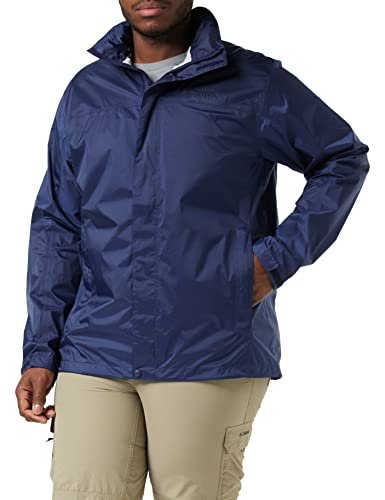
This is the single most important item on the list. White Mountain National Forest tells hikers to carry warm clothing and rain gear even when the valley forecast looks clean, because the Presidential Range makes its own weather. A veteran of the range who has hiked it in every season describes cloud dropping and hail starting inside minutes, with hut-to-hut hikers he has met walking through zero-visibility rain with no rain gear at all. That is hypothermia waiting to happen, in July.
You want a genuine waterproof, breathable shell with a hood that stays put in wind, not a showerproof town jacket: fully seam-sealed, hood that cinches over a hat, room to layer insulation underneath. The Marmot PreCip Eco is the pick, a proven hiking rain jacket with pit zips and an adjustable hood at a sensible weight, and it turns up repeatedly in Presidential Range kit lists.
Compare the best lightweight hiking jackets
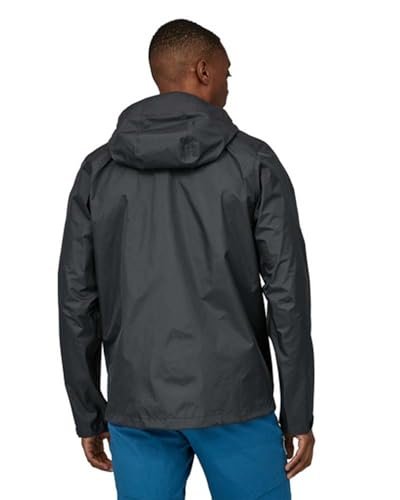
If you want more structure and durability for repeat use, the Patagonia Torrentshell 3L is the step-up pick.
Insulating Midlayer: Warmth for a Ridge That Runs Cold in July
Pair the shell with a real insulating layer, not a cotton hoodie. One experienced Presidential Range hiker describes wearing every piece of insulation he owns, all at once, on a mid-July hike between Adams and Jefferson, just to stay warm when mist rolled in. That is the trail talking, not an exaggeration.
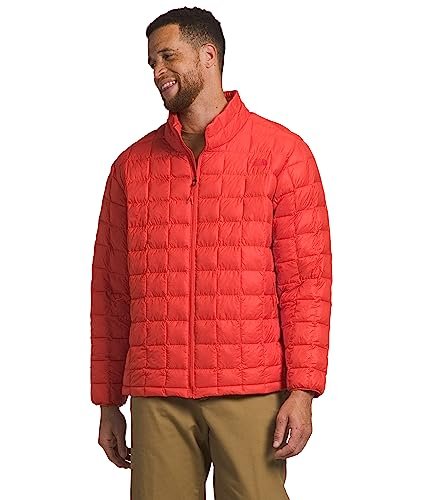
The North Face ThermoBall Eco Jacket 2.0 earns the pick because its synthetic insulation keeps working when damp, which matters more here than a marginally lighter down jacket that goes flat the moment it gets wet. It packs small enough to live in your pack all day and comes out fast at an exposed lunch stop.
Compare the best insulated jackets for hiking
Add a fleece hat and lightweight gloves. They weigh almost nothing and you will use them on the summit of Washington even on a warm day, once the wind gets up.
Footwear: Boulder Fields Are the Real Test
The number one above-treeline injury in the Presidentials is a stumble or slip on the boulder fields that cap every major summit. Most hikers come home scraped, not seriously hurt, but the terrain punishes weak ankles and soft soles all day, every day, for 3 to 4 days straight.
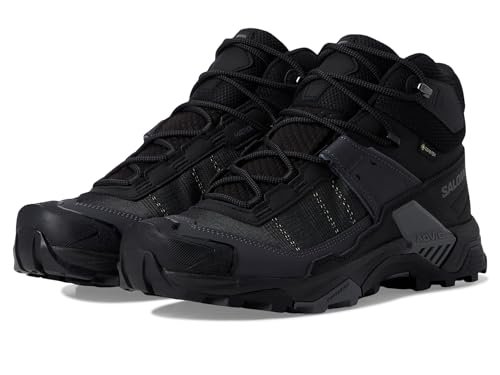
A supportive, grippy mid-height boot is the safer default. The Salomon X Ultra 5 Mid GTX pairs a genuine Gore-Tex membrane with strong all-terrain traction and real ankle support once your pack is loaded, without a heavy break-in penalty.
Compare the best waterproof hiking boots
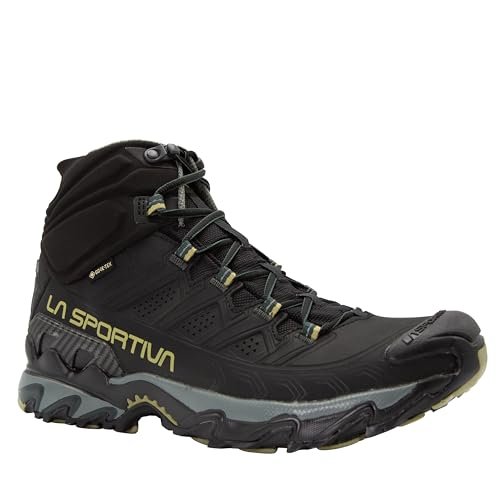
For more technical scrambling across wet rock and loose boulders, the La Sportiva Ultra Raptor II Mid GTX grips better than most hiking-focused boots. Trail runners with a sticky outsole can work for experienced hikers confident on rock, but a mid boot’s ankle support is the safer default on a multi-day carry.
Whatever you choose, break it in on real miles before you fly or drive to New Hampshire. New boots on day two of a four-day traverse is how blisters end a trip early.
Navigation: Fog Erases the Ridge Fast
There are dozens of intersecting trails across the range, and above treeline the physical path can vanish into cloud in minutes. A map and compass do not need batteries and do not stop working in a whiteout.
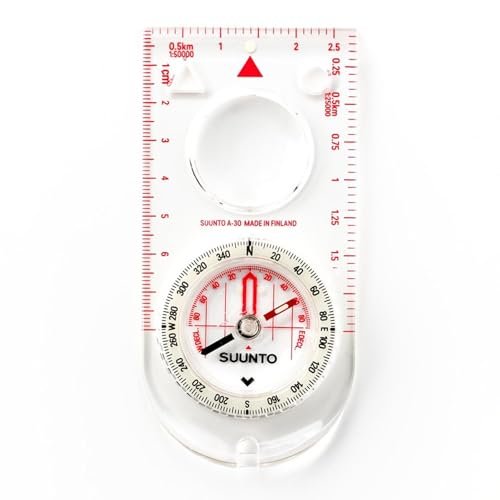
The Suunto A-30 NH USGS Compass is a straightforward baseplate compass that works cleanly with a paper map for real bearing work, without the complexity of a sighting-style field compass.
Compare the best hiking compasses
Carry the AMC Presidential Range map alongside it, and back both up with a phone loaded with an offline GPS track, downloaded before you lose signal. Know which trails drop you off the ridge fastest from each section before you start, not for the first time in fog with a storm building.
The Rest of Your Kit
These categories are more straightforward, but each still earns its place on this trail.
Trekking poles
Steep early climbs, boulder-field balance, and knee-heavy descents make poles worth the weight. The Black Diamond Alpine Carbon Cork holds up well over a long trail and stays comfortable across consecutive days.
[Image needed — Black Diamond Alpine Carbon Cork trekking poles — upload manually. Non-Amazon-API link (amzn.to short link, no ASIN on file) — manual image upload needed]
Compare the best trekking poles
Water treatment and carry
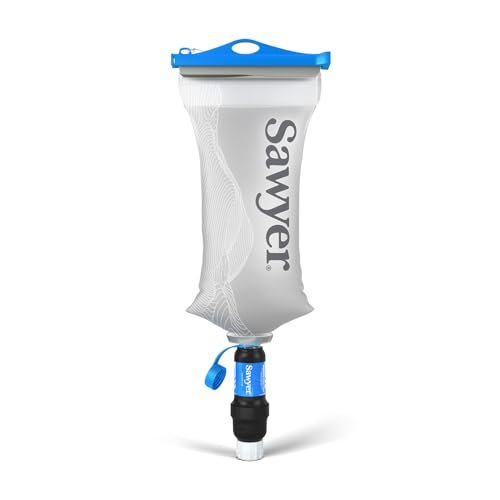
AMC huts along the classic route (Madison Spring, Lakes of the Clouds, Mizpah Spring) provide spigots in season, easier than a wild-camping route. Treat any natural source you collect off the ridge. The Sawyer Squeeze is reliable, field-cleanable, and costs you nothing on the days you fill entirely at huts.
Compare the best water filters for hiking
Carry at least 2 litres of capacity and top up at every hut you pass, even if you are not stopping for the night.
Backpack
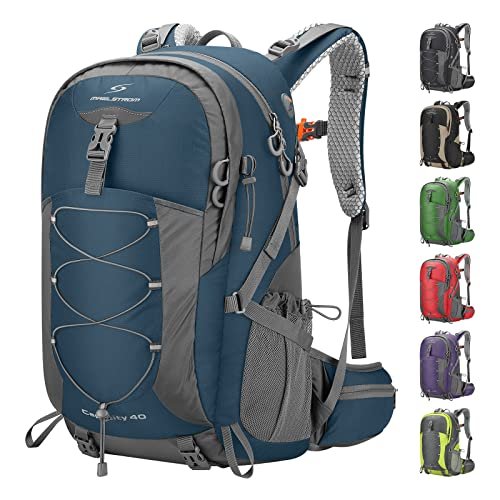
A hut-to-hut traverse does not need a full camping load. Huts provide bunks, blankets, and often meals, so you are packing spare clothes, layers, food for the gaps, and safety gear, not a tent, stove, or sleeping bag. A 40-litre pack with a rain cover covers it. The Maelstrom 40L Hiking Backpack includes a built-in rain cover and enough separated storage to keep wet gear away from dry layers.
Compare the best multi-day backpacks
Camping instead of using huts means a larger pack and a full shelter and sleep system. That is a different trip.
Socks
Boulder fields and rocky descents chew through cheap socks fast, and wet feet inside a wet boot is how blisters start. The DANISH ENDURANCE Merino Wool Hiking Socks manage moisture over consecutive days and hold their shape inside a mid boot. Carry a dry spare pair; more than one hiker has used a spare as emergency mittens when the wind took their gloves.
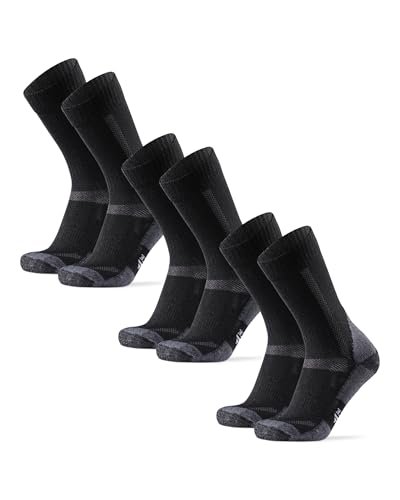
Compare the best hiking socks for preventing blisters
Headlamp and power
A headlamp with fresh batteries and a spare set is non-negotiable, even hut-to-hut. Weather delays or slow boulder-field travel can put you on trail after dark. The Black Diamond Spot 400-R is a reliable, genuinely waterproof pick for this. Charging is limited at huts, so a power bank in the 10,000 to 15,000mAh range keeps a phone, GPS app, and headlamp topped up between stops.
[Image needed — Black Diamond Spot 400-R headlamp — upload manually. ASIN returned invalid in Amazon Creators API this session — manual image upload needed]
Compare the best headlamps for hiking and best power banks for hiking
Sun protection
Little shade above treeline means exposure adds up fast. Pack a hat with a chin cord or lanyard so wind does not take it, UV-filtering sunglasses, and sunscreen. None of these are optional on a clear-day traverse.
Gaiters
Short gaiters keep loose scree, sharp rock chips, and trail grit out of your boots on the boulder fields, and add ankle protection on the scrambly sections. Cheap insurance for the whole trip.
First aid and emergency layer
Pack a real first aid kit with blister treatment: scraped hands and shins from boulder falls are the most common Presidential Range injury. A lightweight emergency layer and a compact foam sit pad are worth the few extra ounces. Experienced Presidential Range hikers carry a foam pad specifically so an injured hiker has ground insulation while waiting for help, since cold rock pulls body heat fast even in summer.
Emergency communication
Mobile coverage is unreliable across parts of the ridge. A satellite messenger such as a Garmin inReach lets you send a message or trigger a rescue request without a cell signal. This is a safety item, not an affiliate pick: buy or hire one you trust and register it before you go.
Kit at a Glance
| Category | Our Pick | Why It Matters Here |
|---|---|---|
| Waterproof shell | Marmot PreCip Eco | The range makes its own weather; a real shell is the difference between a hard day and a dangerous one |
| Insulating midlayer | North Face ThermoBall Eco Jacket 2.0 | Synthetic fill keeps warming even when fog and mist get it damp |
| Boots | Salomon X Ultra 5 Mid GTX | Ankle support and grip for boulder fields on every summit |
| Compass | Suunto A-30 NH USGS | Fog erases the ridge fast; a compass does not need a battery |
| Trekking poles | Black Diamond Alpine Carbon Cork | Balance on boulders, knee relief on the descents |
| Water filter | Sawyer Squeeze | Backs up hut spigots when you refill from natural sources |
| Backpack | Maelstrom 40L | Right size for a hut-to-hut trip with no camping gear to carry |
| Socks | DANISH ENDURANCE Merino | Manages moisture over consecutive boulder-field days |
| Headlamp | Black Diamond Spot 400-R | Weather delays and slow boulder fields can put you on trail after dark |
| Sun hat / sunglasses | Wide-brim or lanyard hat, UV sunglasses (spec, see note) | No shade above treeline |
| Gaiters | Short gaiters (spec, see note) | Keeps scree and rock chips out of boots on scrambly sections |
What You Can Skip (or Where You’re Over-Packing)
A hut-to-hut Presidential Traverse is not a wilderness camping trip, and hikers carrying a full expedition load are usually over-packed.
You do not need a tent, a sleeping bag, or a stove if you are booking huts on the classic route. Huts provide bunks and blankets; bring a sleeping bag liner instead of a full bag and save real weight.
You do not need winter mountaineering gear (crampons, an ice axe, snowshoes) for a late June to early July traverse in a normal season. That belongs to the winter Presidentials, a different trip with a different risk profile.
You do not need to carry two days of water like a desert trail. Hut spigots make this one of the easier multi-day routes for water logistics, provided you actually stop and fill up.
And you do not need brand-new gear straight out of the box. Boots, packs, and shells all need a shakedown before four days on rock. The Presidentials are an unforgiving place to discover a leaking seam for the first time.
Final Thoughts
The Presidential Traverse rewards hikers who treat the weather as the real objective, not an afterthought to the summits. Get the shell, the midlayer, the footwear, and your navigation backup right, and the rest of this list falls into place around them. Everything else is comfort and margin.
When your kit is sorted, plan the route, huts, and shuttle timing with the full Presidential Traverse guide, and back up your gear logic with Multi-Day Hiking Gear: What You Actually Need. For another high-altitude, above-treeline trail with its own demands, see our What to Pack for the John Muir Trail guide.
Frequently Asked Questions
Do I need a tent and sleeping bag for the Presidential Traverse?
Not if you are booking the classic hut-to-hut route. AMC huts provide bunks and blankets, so most hikers carry a sleeping bag liner instead of a full sleeping bag, and skip the tent and stove entirely. If you are camping instead of staying in huts, you need a full shelter and sleep system, and a larger pack to carry it.
What is the most important piece of gear for the Presidential Traverse?
A genuine waterproof shell jacket. The range makes its own weather, and White Mountain National Forest and Mount Washington Observatory both warn that conditions above treeline can turn from clear to cold, wet, and windy in under an hour, even in July. Everything else on this list matters, but the shell is the one item you cannot substitute or skip.
Can I hike the Presidential Traverse in trail runners instead of boots?
Some experienced hikers do, especially on the drier sections, and a sticky-soled trail runner can grip boulder rock well. For most multi-day hikers carrying a loaded pack across four days of rocky, exposed terrain, the extra ankle support of a mid-height waterproof boot is the safer default, particularly on wet rock or in fading light.
How heavy should my pack be for a hut-to-hut Presidential Traverse?
Aim for a manageable load, roughly 20 to 30 pounds including food and water for most hikers, since huts remove the need to carry a tent, sleeping bag, or stove. If your pack feels closer to a full camping load, go back through the What You Can Skip section above before you start.
