

Last updated: September 2026
Wild Trail Hiker is reader-supported. We may earn a commission when you buy through links on this page, at no extra cost to you. We only recommend gear we’d take on a multi-day trip ourselves.
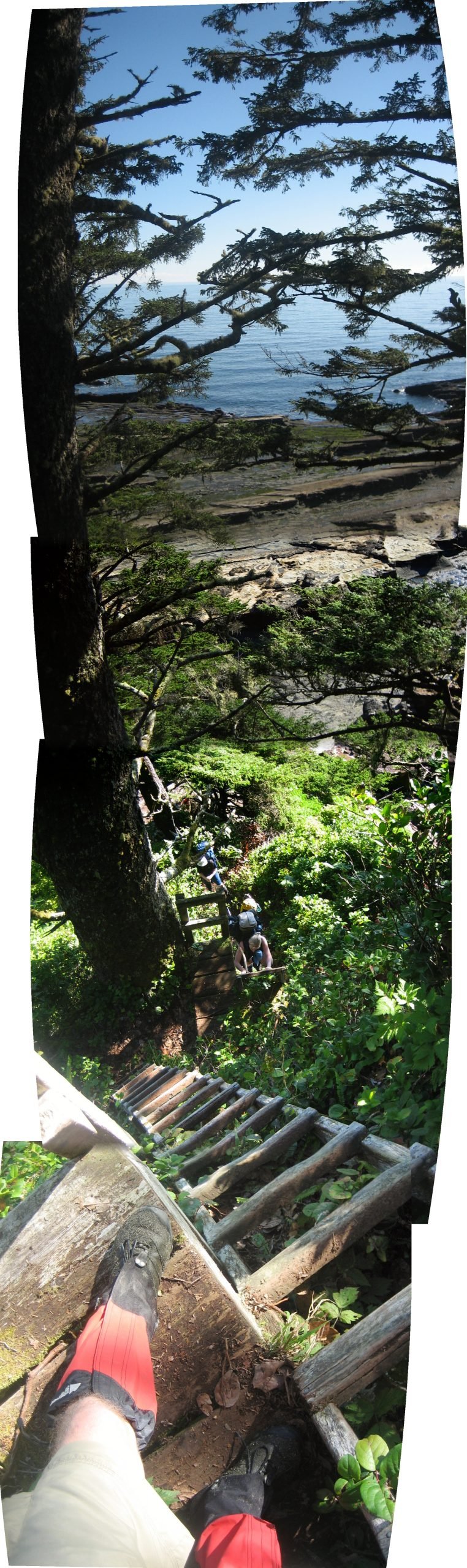
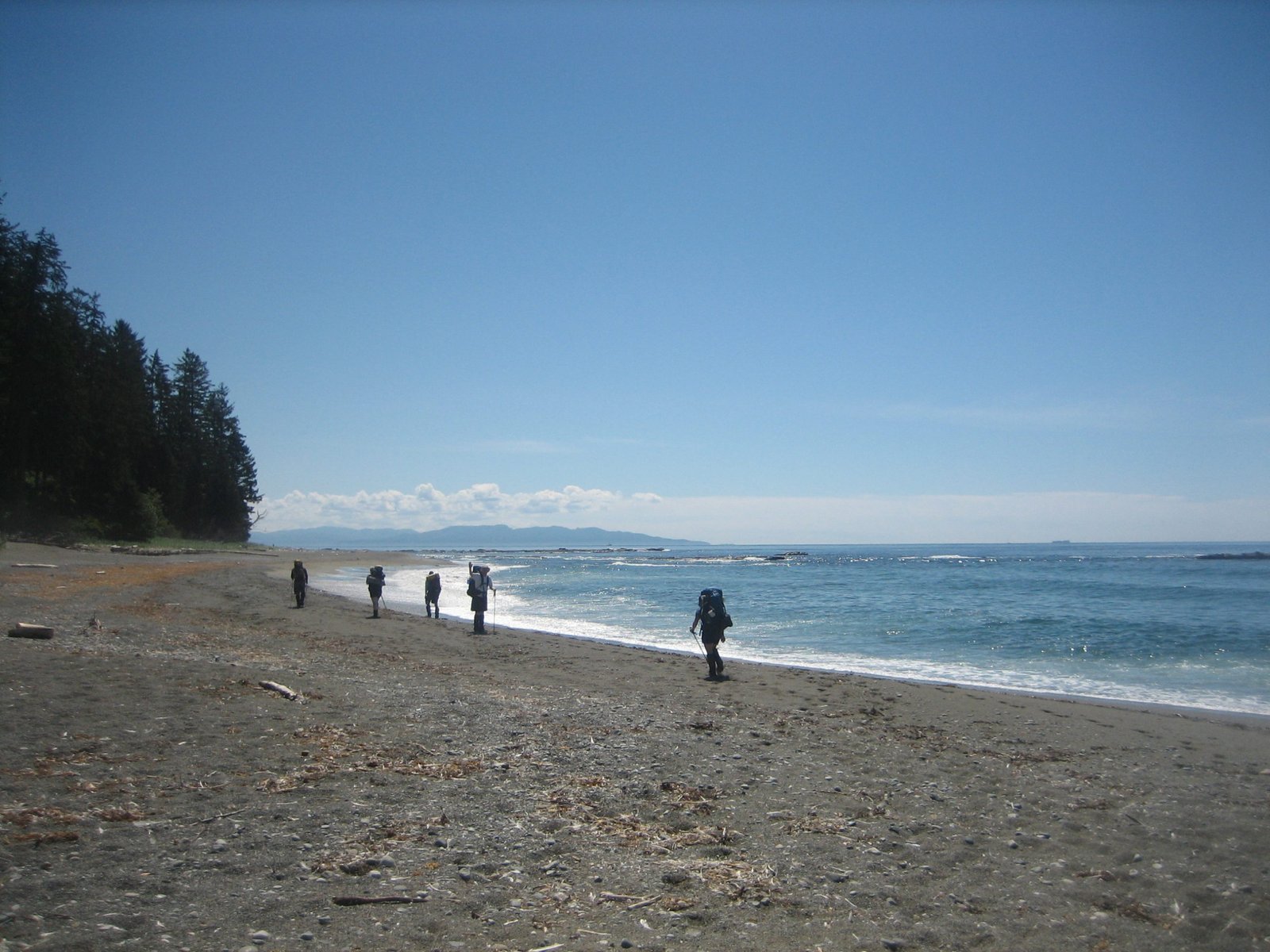
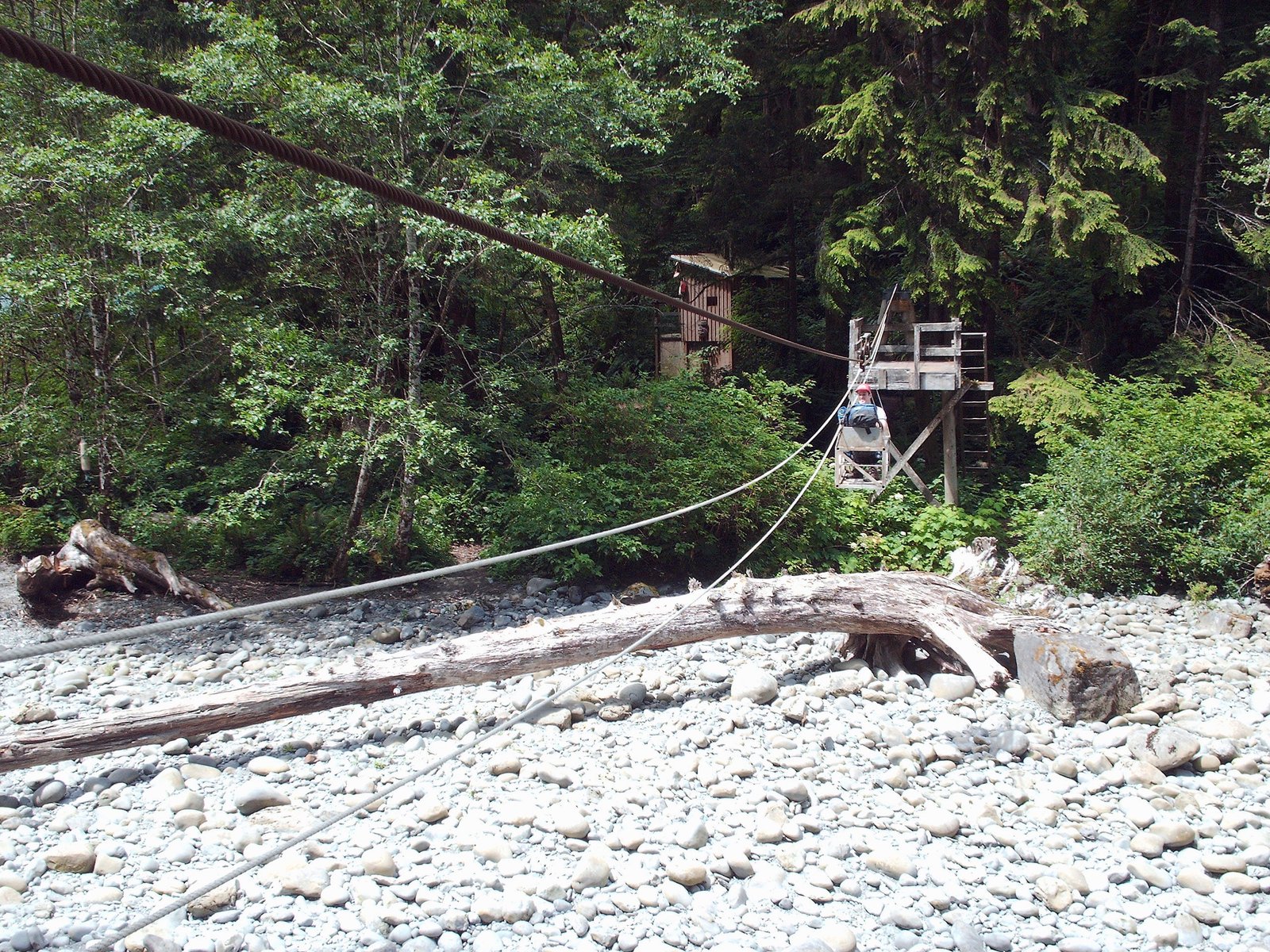
There is a moment on day one, minutes off the Gordon River ferry, where the trail drops you straight onto the first ladder and you understand exactly what the next week involves. Roots underfoot, rainforest overhead, and more than 100 more ladders and four cable car crossings still to come. By day five you are timing lunch around a tide table and a ferry that only runs until 5pm. This is not a trail that forgives a soft kit list.
That is what makes it worth the planning headache. Parks Canada’s own hiker preparation guide calls it “not for everyone,” and this is what to pack for the West Coast Trail: gear built around the three things it throws hardest at you: sustained rain and damp, ladder and cable car terrain that punishes a heavy or badly balanced pack, and tide- and ferry-locked timing with no room for soaked, unusable gear. Get this list right and the trail is a genuine highlight. Get it wrong and you are one of the roughly 60 to 80 serious evacuations Parks Canada logs most seasons.
Still deciding whether to walk it? Start with the full West Coast Trail guide for permits, ferries, and the day-by-day route. For the thinking behind these picks, see multi-day hiking gear: what you actually need.
Conditions That Drive Your Kit
| Factor | West Coast Trail reality |
|---|---|
| Distance and duration | 75 km (47 miles) official distance, closer to 85 km with terrain detours; 6 to 8 days, 7 days is the common pace |
| Season | Open May 1 to September 30 only; roughly 330 cm (130 in) of rain a year, even in summer |
| Terrain | 100+ ladder systems, 4 cable car river crossings, boulder shelves, deep mud, sandy beach camps |
| Weather | Average summer highs around 14°C (57°F), frequent fog, rain possible any month the trail is open |
| Remoteness | No resupply on route; two hiker ferries run limited daily hours (Gordon River, Nitinaht Narrows) |
| Water | Abundant but must be treated; no source is stated safe to drink untreated |
Full route, permit, and ferry-timing detail sits in the West Coast Trail guide; every pick below traces back to a line in this table.
How This Kit Is Built
This list is built from Parks Canada’s own hiker preparation guide and equipment list, cross-checked against West Coast Trail packing lists and the accounts of hikers who have finished it recently. Three things decide whether this trail goes well: staying dry through sustained rain, keeping your footing without a stiff-soled boot working against you, and protecting gear that has to survive a cable car and a ferry crossing. Those get the detail below. The rest still matters and gets a clear pick.
Footwear: The One Parks Canada Gets Specific About
Boots are the most trail-specific call on this list, and Parks Canada’s own gear guidance is unusually direct about it: choose a boot with a soft rather than hard sole. A stiff-soled mountaineering boot grips wet roots, boardwalks, and boulder shelf far worse than one with a flexible, grippy outsole. This runs against the instinct to bring the most rugged boot in the closet, and it is worth listening to anyway.
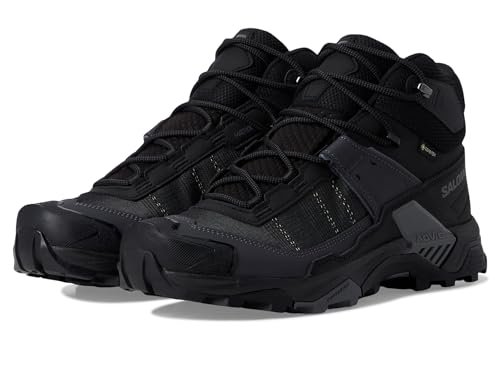
A mid-height, Gore-Tex boot with a flexible trail-shoe-style sole is the sweet spot: waterproof enough for the mud and creek crossings, supportive enough for a loaded pack on the ladders, and soft-soled enough to actually grip the terrain Parks Canada is warning you about. The Salomon X Ultra 5 Mid GTX fits this brief closely and is the boot several recent hikers report actually wearing on this trail.
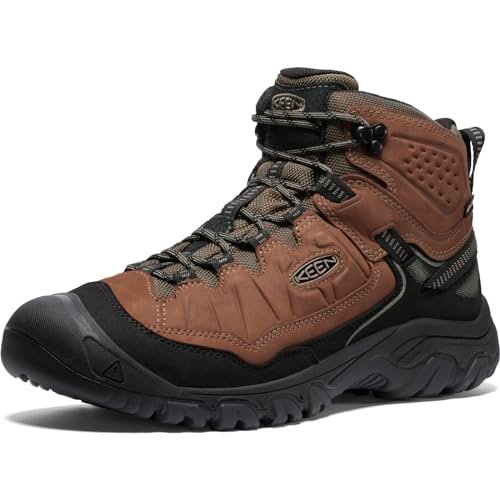
For more structure on the boulder sections without tipping into a rigid sole, the KEEN Targhee 4 is the sturdier option. Compare both in our best waterproof hiking boots roundup.
Never break in new boots on this trail, and carry spare laces. Pack a lightweight second pair of shoes or sandals with a heel strap for camp and the optional river fords. Add short, low-profile gaiters to keep mud and gravel out through the muddiest stretches, skip anything with a zipper (sand clogs it) and skip tall waterproof gaiters too, they run hot on the beach sections for little benefit here. See best hiking gaiters.
Rain Protection: Not Optional Layering Here
With 330 cm of annual rainfall and fog common even in the driest months, a genuinely waterproof jacket and pants are core kit here, not a just-in-case extra. Parks Canada pairs jacket and pants on its own equipment list for a reason: a jacket alone leaves your legs soaked, and a wet base layer under a loaded pack is how hikers get cold fast on the exposed southern beaches.
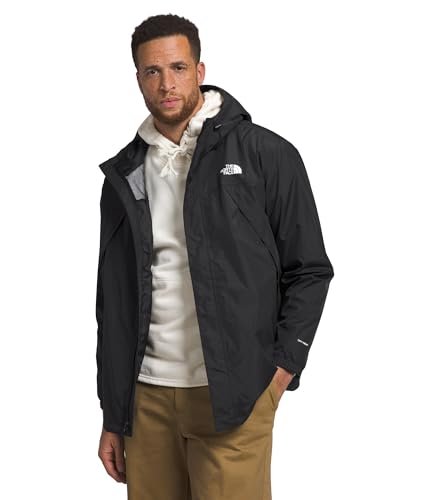
The North Face Antora Waterproof Jacket is the safest all-round pick: seam-sealed and breathable enough for climbing the ladders. Compare it in best waterproof jackets.
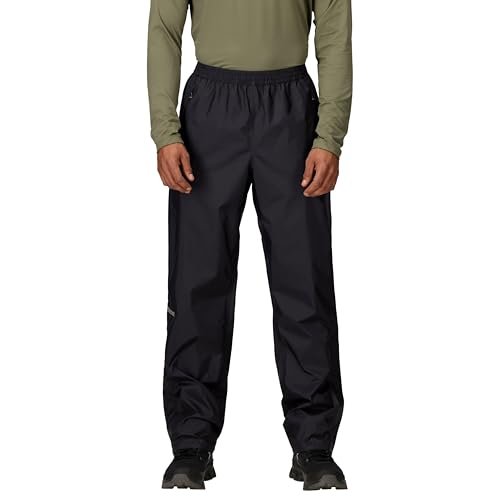
Pair it with the Marmot PreCip Eco Rain Pant, with side-zip venting so you can pull it on and off over boots. See best rain pants for hiking.
Waterproofing Your Gear: The Cable Car and Ferry Problem
This trail crosses rivers by cable car, crosses two more by hiker ferry, and rains on you the rest of the time. Anything that cannot get wet (permit, phone, first aid kit, sleeping bag) needs its own waterproof layer independent of the pack’s own resistance.
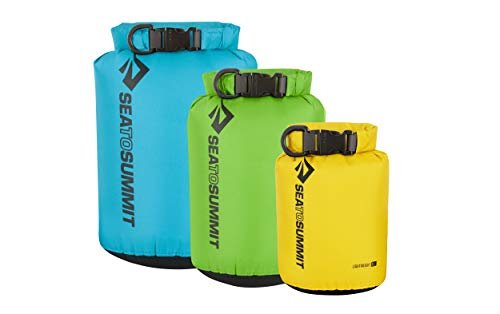
A set of lightweight dry bags is the practical fix. Sort your gear into two or three sizes: one for electronics and your permit, one for your sleeping bag and warm layers, and a larger liner bag inside your pack for everything else. The Sea to Summit Lightweight Dry Sack 3-Piece Set is built for exactly this: three sizes in one purchase rather than buying bags one at a time. ⚑ Our dedicated best dry bags for hiking roundup (which features this same set) is currently a pending WordPress draft, not yet published, so that link may not resolve until it goes live.
Add a pack rain cover sized to your loaded pack, not just its stated capacity, since gear strapped to the outside needs covering too. A pack liner, dry bags for the contents that matter most, and a rain cover on the outside gives you real redundancy on a trail where getting caught without it means a miserable, potentially unsafe, night.
Sleep System: Damp Ground, Mild Nights
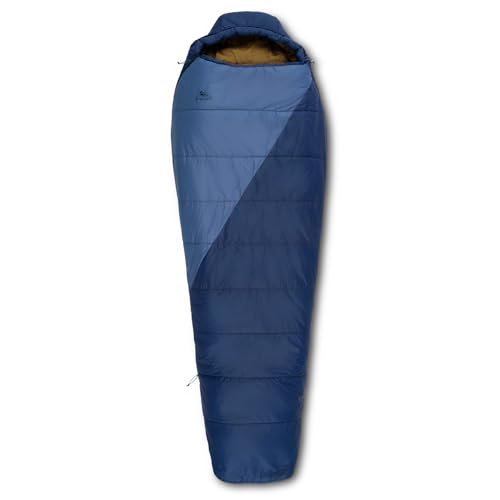
Unlike a high-altitude desert trail, the West Coast Trail’s nights are mild, summer lows sit around 8 to 11°C (47 to 52°F), so you do not need an extreme-cold bag here. What you do need is a bag that copes with damp. Down loses its loft fast if it gets wet, a real risk on a trail this consistently rained on, so synthetic fill is the safer default even though a well-protected down bag can work for a diligent packer.
The Kelty Cosmic Synthetic 20 Degree sits comfortably below the coldest nights you will actually see here and shrugs off the condensation that down cannot. Compare synthetic options in best synthetic sleeping bags.
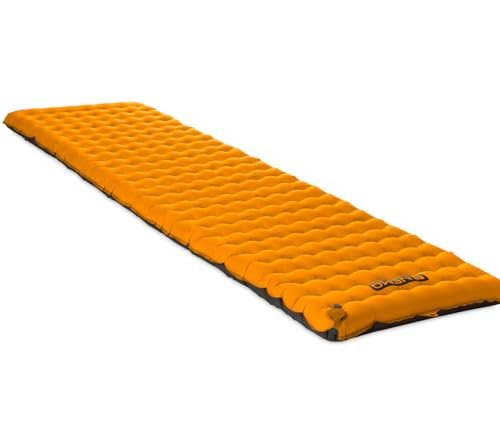
Under it, an insulated inflatable pad with an R-value of 2.5 or higher handles the trail’s sandy, sometimes cold beach camps well. The NEMO Tensor Insulated (R-4.2) clears that bar comfortably and packs down small, more insulation than strictly needed, but worth it for the comfort on a week-long carry. See best insulated sleeping pads, and carry a patch kit regardless of which pad you choose.
The Rest of Your Kit
These categories are more straightforward, but each still earns its place on the West Coast Trail.
Backpack
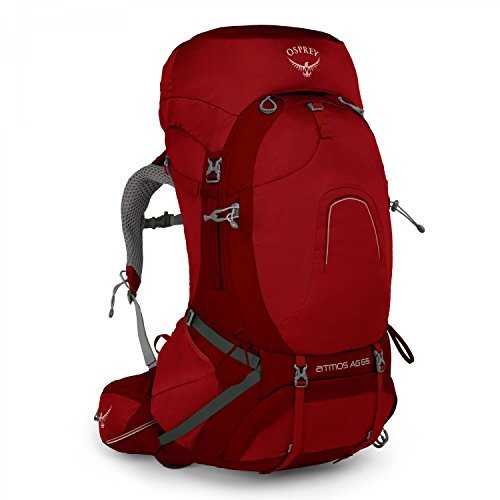
Most hikers carry a 60 to 70 litre pack, loaded weight around 15 to 20 percent of bodyweight (roughly 25 to 40 lb). Going bigger invites overpacking; smaller makes it hard to carry a full traverse’s tent, dry bags, and food. Fit matters more than capacity: a hip belt that actually transfers weight off your shoulders saves your back and knees on the ladders. The Osprey Atmos AG 65 is the pick here: real AntiGravity suspension that actually transfers load to your hips, not just a big bag with straps, which is what most of the site’s existing pack roundups are built around. See best internal frame backpacks for the wider range.
Shelter
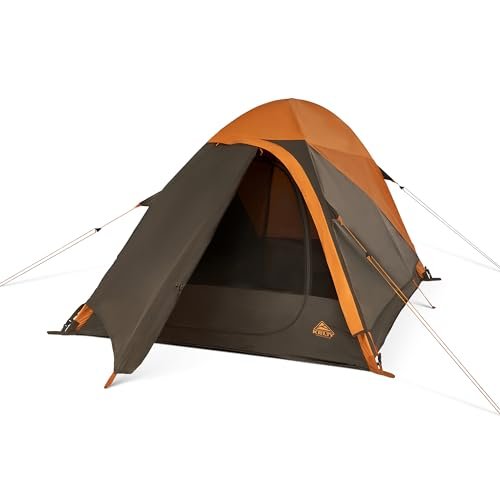
West Coast Trail campsites are almost all sand, which pegs bite into poorly, and rain is a near-daily possibility. A freestanding, double-skin tent with a full-length rain fly beats a stake-dependent shelter here. The Kelty Grand Mesa 2P is a solid, genuinely waterproof pick. Bring a footprint and extra guyline for tying out to driftwood on windy nights. Compare options in best freestanding tents.
Trekking poles
Poles earn their keep on the approach to nearly every ladder, on log crossings, and on the boulder shelf where balance matters as much as strength. The Black Diamond Alpine Carbon Cork is a durable, comfortable pick. Compare the range in best trekking poles.
Water treatment
No water source here is stated as safe to drink untreated, and with wildlife traffic near nearly every creek, treating everything is the sensible default. A squeeze filter rated to 1 micron or finer handles the volume most hikers need. The Sawyer Squeeze is light, reliable, and threads onto standard bottles. See best water filters for hiking.
Bear spray
Parks Canada’s 2026 guidance recommends at least one person per group carry bear spray and know how to use it, given a recent rise in encounters on this coast. The SABRE Frontiersman MAX is a straightforward, EPA-registered pick with real range. See best bear sprays. No hard-sided canister is required: food storage is via metal lockers and bear poles at designated campgrounds.
Headlamp
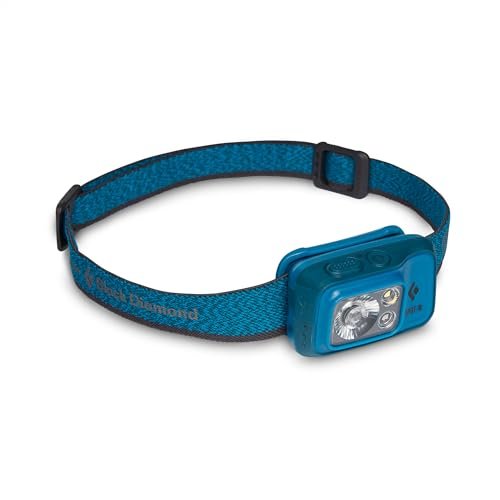
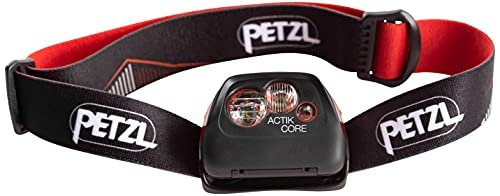
Early starts to make a tide window or ferry deadline mean you will use a headlamp here more than you might expect. The Black Diamond Spot 400-R gives plenty of output for trail and camp; the Petzl Actik Core is a reliable, simpler alternative several West Coast Trail hikers report actually carrying. See best headlamps for hiking.
Extras that matter on this trail specifically
A current tide table for the Tofino reference station (not Bamfield or Port Renfrew) is arguably the single most important piece of planning gear here, several sections are only passable within a defined window. Pair it with a watch you check. Carry a whistle for signalling, and pack a small repair kit (gear tape, multi-tool, pad patch kit) plus a first aid kit with a compression bandage, boulder-hop sprains are well documented on this trail. Light gloves are an optional comfort that also add grip on ladders and cable car handles.
Kit at a Glance
| Category | Our Pick | Why It Matters Here |
|---|---|---|
| Boots | Salomon X Ultra 5 Mid GTX | Soft, flexible sole grips wet roots and boulders better than a stiff boot |
| Rain jacket | The North Face Antora Waterproof Jacket | Core kit, not backup, given 330 cm of annual rain |
| Rain pants | Marmot PreCip Eco Rain Pant | Side-zip venting, worn over boots on wet days |
| Dry bags | Sea to Summit Lightweight Dry Sack 3-Piece Set | Protects permit, electronics, and sleep system through cable cars and ferries |
| Sleeping bag | Kelty Cosmic Synthetic 20 Degree | Synthetic fill copes with damp better than down on a trail this wet |
| Sleeping pad | NEMO Tensor Insulated | R-4.2 comfortably covers cold, sandy beach camps |
| Backpack | Osprey Atmos AG 65 | Hip-belt load transfer matters more than raw capacity on the ladders |
| Shelter | Kelty Grand Mesa 2P | Freestanding for sandy sites that don’t hold stakes well |
| Trekking poles | Black Diamond Alpine Carbon Cork | Balance on ladder approaches, log crossings, boulder shelf |
| Water filter | Sawyer Squeeze | No source on this trail is safe to drink untreated |
| Bear spray | SABRE Frontiersman MAX | Recommended per Parks Canada’s 2026 wildlife guidance |
| Headlamp | Black Diamond Spot 400-R | Early starts for tide windows and ferry deadlines |
What You Can Skip
Plenty of hikers carry weight up every ladder that they never needed. You do not need a heavy four-season tent or an extreme-cold sleeping bag: nights here rarely drop far below freezing, and the trail’s real weather problem is rain, not cold, so a good three-season waterproof setup is plenty. You do not need an 80-litre expedition pack either; a well-organised 60 to 70L pack fits a full week without inviting overpacking.
A camp chair is a genuine comfort some hikers swear by after a ladder-heavy day, but it is also one of the first things worth cutting to stay under your weight range. And you do not need brand-new, untested gear: test everything at home first, fix what rubs or leaks, and arrive with kit you already trust.
Final Thoughts
The West Coast Trail rewards the same discipline in your kit that it demands on the route: stay dry, protect what has to survive a cable car and a ferry crossing, and don’t fight the terrain with the wrong boot. Get footwear, rain protection, waterproofing, and a damp-proof sleep system right, and the rest is logistics you have already planned for. That is what to pack for the West Coast Trail, in short. Plan the route, permits, and tide windows with the full West Coast Trail guide, and back up your gear logic with multi-day hiking gear: what you actually need. For another tide-chart-first coastal trek, see what to pack for the Lost Coast Trail.
Frequently Asked Questions
Do I need a bear canister for the West Coast Trail?
No. Food storage is via metal lockers and bear poles at designated campgrounds, not a carried canister. Bear spray is recommended, not mandatory, under Parks Canada’s 2026 guidance, and worth having given rising encounter reports on this coast.
What’s the one thing people forget to pack for the West Coast Trail?
Enough dry-bag capacity for the rain this trail actually gets. Hikers pack a waterproof jacket and stop there, then end up with a soaked sleeping bag or a dead phone after a cable car crossing.
How heavy should my pack be for the West Coast Trail?
Parks Canada recommends 15 to 20 percent of bodyweight, roughly 25 to 40 lb for most hikers. Packs above this range make the ladders noticeably harder and slower, so weigh your pack before you start.
Can I rent gear near the West Coast Trail trailheads?
Not really, at either end. Port Renfrew and Bamfield are both small communities with limited retail. Victoria, about 2 hours from the Gordon River trailhead, has proper outdoor stores for a last-minute gap, but plan to arrive with your kit already sorted.
