

Last updated: August 2026
Wild Trail Hiker is reader-supported. We may earn a commission when you buy through links on this page, at no extra cost to you. We only recommend gear we’d take on a multi-day trip ourselves.
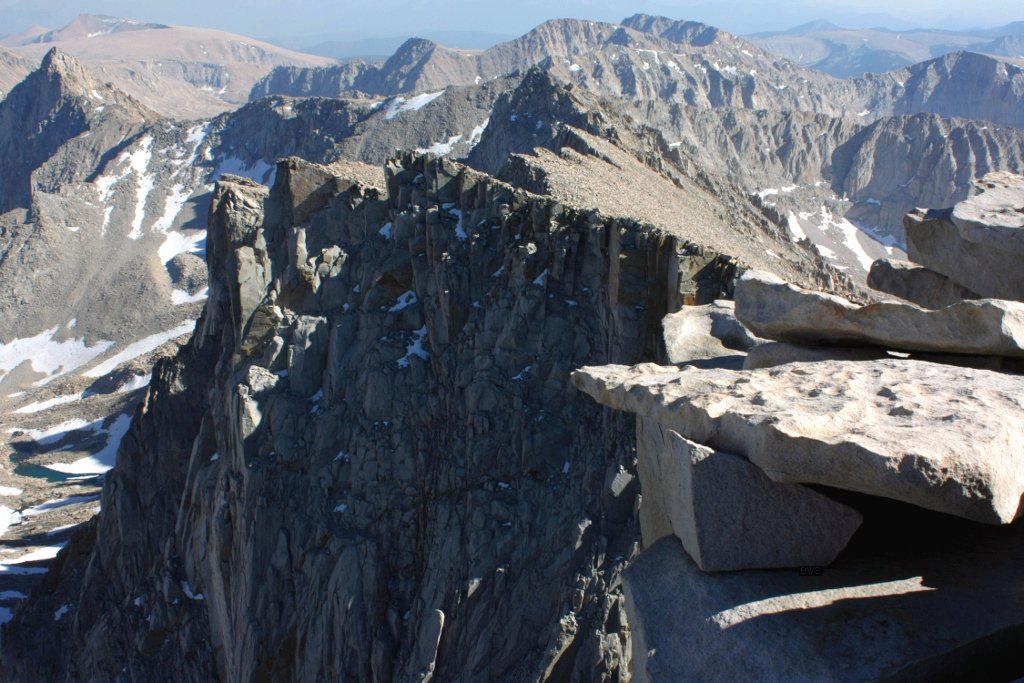
There is a point on Day 2 where the trail climbs above Hamilton Gorge, tops out at Kaweah Gap, and the Great Western Divide opens up on every side at 10,700 feet. Four days later you are standing at Guitar Lake in the dark, headlamp on, about to climb the last 3,000 feet to the highest point in the contiguous United States. That range, sequoia forest to alpine summit, in a single week, is why the High Sierra Trail keeps coming up when experienced Sierra hikers talk about the trip they’d send a friend on.
Getting the kit right matters more here than on most week-long trails. This route has a mandatory bear canister every night, two genuinely dry stretches, and high camps that sit close to freezing in August despite 80s and 90s canyon-floor days. None of that is a reason to overthink your pack. It is a reason to get a short list of things right and stop worrying about the rest.
This is what to pack for the High Sierra Trail: the kit built for what the route actually demands, not a generic checklist with the trail name swapped in. Still deciding whether to walk it? Start with the full High Sierra Trail guide for the itinerary, permits, and the current Mount Whitney Zone closure that affects your exit plan. For the system behind these picks, see multi-day hiking gear: what you actually need.
Conditions That Drive Your Kit
| Factor | High Sierra Trail reality |
|---|---|
| Distance and duration | 72.2 miles (116 km), Crescent Meadow to the current alternate exit; 7 to 10 days, 8 typical |
| Best season | Mid-July through mid-September, inside the permit quota window |
| Terrain | Sequoia forest, exposed granite switchbacks, a hot canyon floor, a 14,505 ft summit |
| Temperature | 80s-90s°F in Kern Canyon by day, 30s-40s°F at high camps like Guitar Lake, even in August |
| Weather | Afternoon thunderstorms common in July and August, near Kaweah Gap and the Whitney approach |
| Water | Two dry stretches: Chagoopa Plateau into Kern Canyon, and the whole Guitar Lake to Trail Crest climb |
| Food storage | Bear canister mandatory every night, no exceptions |
| Remoteness | One continuous carry, no resupply; a daily permit quota limits crowding but not remoteness |
Every pick below traces back to a line in this table. Full permit, itinerary, and the current Whitney Portal exit closure sit in the High Sierra Trail guide.
How This Kit Is Built
This list is built from the official NPS High Sierra Trail route and permit guidance, independent trip reports from hikers who have walked the route end to end, and product picks cross-checked against gear-review testing. Three things make or break a High Sierra Trail kit: carrying food legally for a week, staying warm at altitude after hot canyon days, and getting your feet through 15,500 feet of climbing on rock. Those get the most detail below. The rest still matters and gets a clear pick.
The Kit, by Category
Food Storage: The Category With No Exceptions
Start here, it is not optional. Every hiker needs an approved bear canister for every night: food, rubbish, toiletries, anything scented. Camps like Bearpaw, Big Arroyo, Kern Hot Springs, and Wallace Creek have bear boxes that supplement canister space, but you cannot plan around one being empty, and it never replaces the canister.
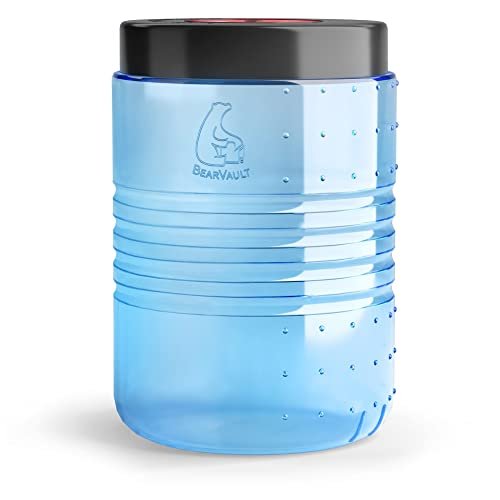
For most hikers on the standard 7 to 8 day itinerary, the BearVault BV500 is the size to start with. It carries close to a week of carefully packed solo food, the clear body lets you see what is left without opening it, and rangers and other hikers will recognise it on sight. If your trip runs longer because of the current alternate exit past Crabtree, plan food volume for the extra day.
If you hike Sierra bear-canister trails often enough that weight matters more than cost, the Wild Ideas Bearikade Weekender carries real volume at a noticeably lower weight. It costs more, so for a one-off trip the BearVault is the easier call.
Best for: every hiker, every night, no exceptions
Why it stands out: legal compliance plus enough volume for a full week’s food
Compare options: best bear canisters for multi-day hiking
Water: Treatment and Carry for Two Dry Stretches
Water is frequent for the first two days and again at the Kern River, but two stretches deserve planning: Chagoopa Plateau into Kern Canyon, where Sky Parlor Meadow is your last fill-up, and Guitar Lake to Trail Crest, where there is no water at all. No source here should be treated as safe untreated, and the Kern corridor sees enough hiker and stock traffic to raise real contamination risk.
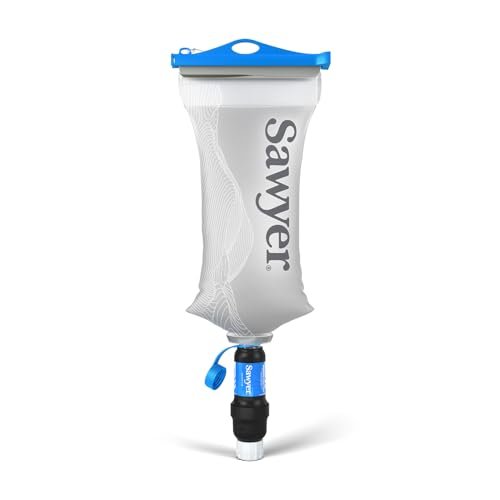
For treatment, the Sawyer Squeeze is the simplest reliable choice: threads onto standard bottles, backwashable in the field if creeks run low and cloudy.
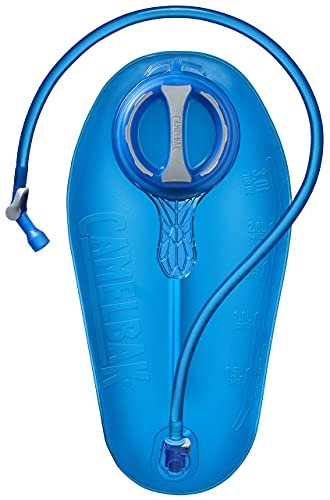
Capacity matters as much as treatment. A 1 to 2 litre bottle will not get you through the Guitar Lake to Trail Crest climb. The CamelBak Crux 3L Reservoir gives you the volume to fill fully at Guitar Lake, the last water before the summit push. Pair it with a HydraPak Flux 1L Collapsible Bottle as backup capacity for the Kern Canyon descent.
Best for: the two dry stretches that catch hikers underprepared
Why it stands out: enough treated capacity to cover a genuinely waterless climb
Compare options: best water filters for hiking and best hydration bladders for hiking
Sleep System: Warm Enough for Guitar Lake
This is where hikers get caught out by the temperature swing. Kern Canyon sits in the 80s and 90s by day, while high camps, especially Guitar Lake at roughly 11,500 feet, drop into the 30s and 40s overnight, even in August. A bag rated for a warm Sierra summer is not enough.
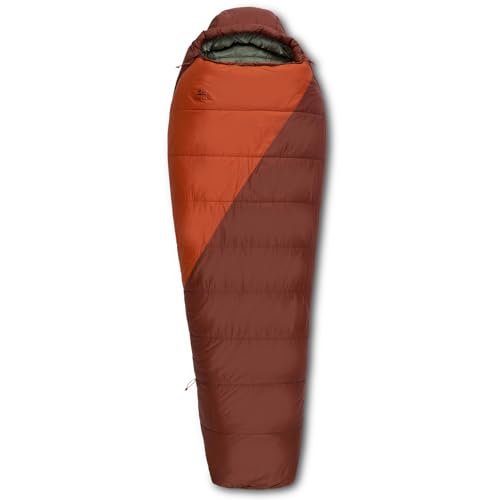
The Kelty Cosmic Synthetic 0 Degree gives real margin at Guitar Lake. Synthetic is the safer call too: it keeps insulating if condensation or a storm gets into your gear, which down will not do as gracefully during thunderstorm season.
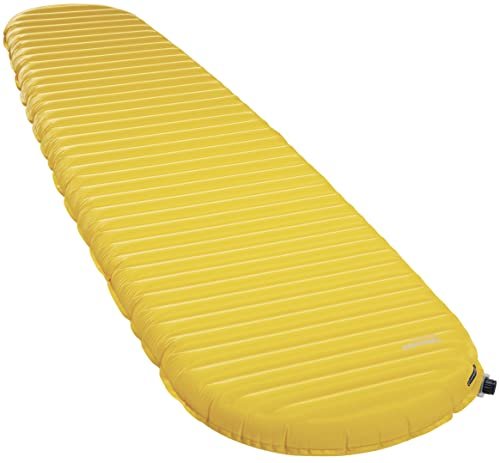
The pad matters just as much, and this is not the place for a basic foam or uninsulated pad. The Therm-a-Rest NeoAir XLite NXT carries a genuine 4.5 R-value at around 340 grams, enough for cold ground at altitude without adding real weight to a pack already carrying a canister and a week of food. If you sleep cold, the NeoAir XTherm NXT steps up to 7.3 R for a modest weight penalty.
Best for: the temperature swing between Kern Canyon and Guitar Lake
Why it stands out: synthetic warmth margin plus a genuine cold-ground R-value, not a car-camping spec sheet
Compare options: best synthetic sleeping bags and best insulated sleeping pads for hiking
Footwear: Traction for 15,500 Feet of Climbing
Between the rocky switchbacks in and out of Kern Canyon, the climb to Kaweah Gap, and the final push over Trail Crest, this trail asks a lot of your feet on rock, not mud or soft trail. A worn-out or fresh-out-of-the-box pair is the wrong gear to bring here.
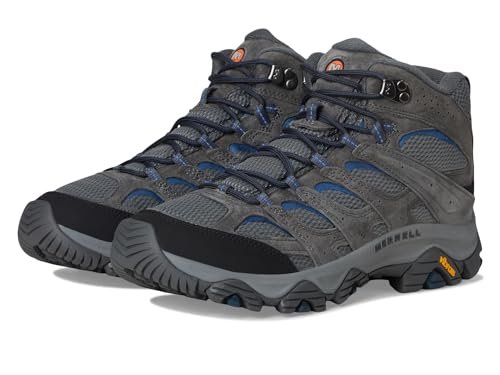
The Merrell Moab 3 Mid is the safe default: a durable, well-bonded outsole with real grip on rock, ankle support for the loose, uneven descents into Kern Canyon, and a wide-enough toe box for feet that swell over a week of daily mileage. Break it in properly before you fly out, not on the trail itself.
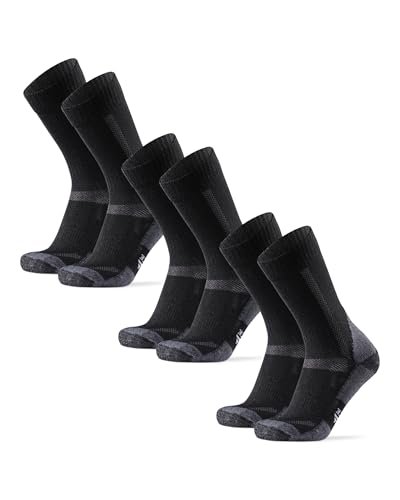
Pair boots with socks built for back-to-back big-mile days. DANISH ENDURANCE Merino Wool Hiking Socks manage moisture and reduce blister risk on the rocky sections, where a hot spot can turn into a real problem days from the nearest trailhead. Carry a dry spare pair.
Best for: rocky switchbacks and sustained daily mileage
Why it stands out: durable rock traction and ankle support without a punishing break-in
Compare options: best hiking boots and best hiking socks for preventing blisters
The Rest of Your Kit
These categories matter less than the four above, but each still earns its place on this trail.
Backpack
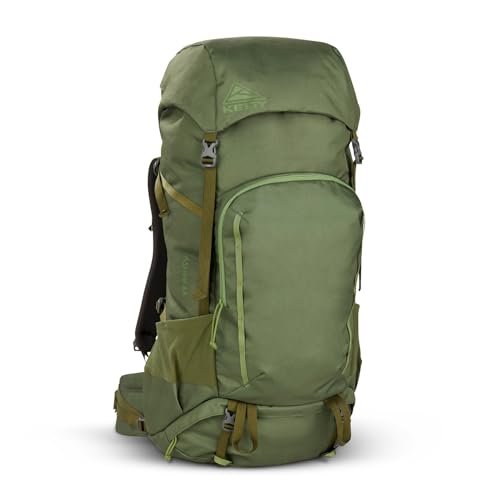
A week of food plus a rigid canister eats pack volume fast, so undersizing is a common mistake. The Kelty Asher 65L fits the canister, a week of food, and your sleep system, with a hip belt that carries the weight on the Kaweah Gap climb.
Compare options: best internal frame backpacks
Trekking Poles
The drop into Kern Canyon and the climb to Kaweah Gap both punish knees before you add a loaded pack. The Black Diamond Alpine Carbon Cork holds up over a full week of climbing and descending.
Compare options: best trekking poles
Insulated Camp Jacket
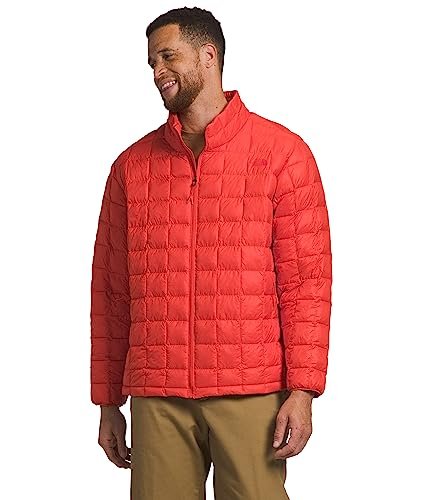
Once the sun drops at any high camp, warmth disappears fast. The North Face ThermoBall Eco Jacket 2.0 keeps insulating if it picks up condensation or storm damp, and packs small.
Compare options: best insulated jackets for hiking
Rain Shell
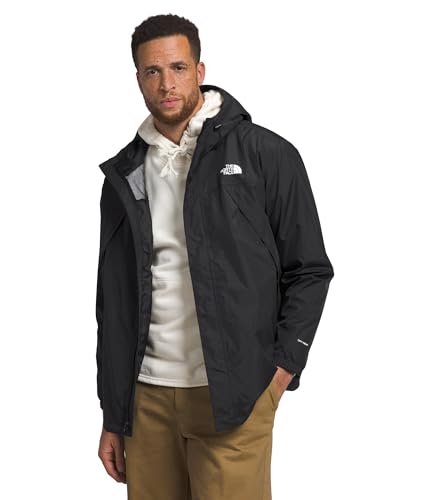
Afternoon storms build most reliably in July and August, near Kaweah Gap and the Whitney approach. The North Face Antora Waterproof Jacket is a reliable hiking shell with a practical hood, genuinely waterproof and packable enough to carry every day even when it stays in your pack most of the trip.
Compare options: best waterproof jackets
Headlamp
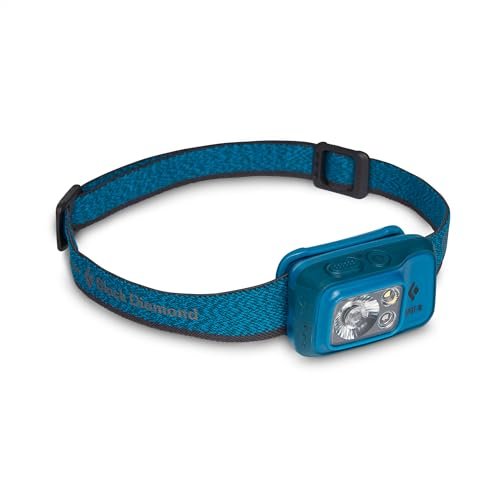
Most hikers leave Guitar Lake well before dawn to summit at sunrise and clear exposed ground before storms build. The Black Diamond Spot 400-R pairs genuine IP67 waterproofing with enough brightness for the pre-dawn climb to Trail Crest.
Compare options: best headlamps for hiking
Sun Protection
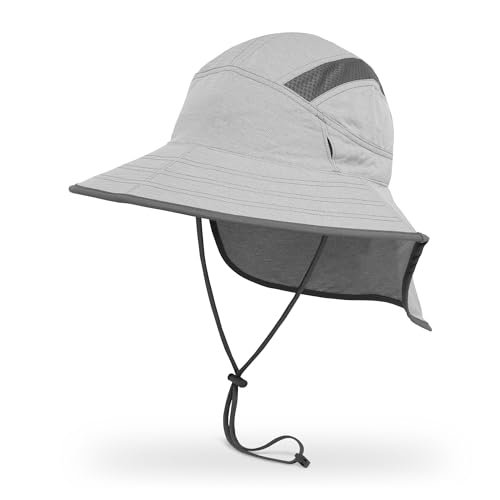
Between the exposed granite on Day 2, the canyon floor, and the treeless approach to Guitar Lake and the summit, you spend real hours in direct sun. The Sunday Afternoons Ultra Adventure Hat is UPF 50, light, and folds flat for the days it rides in your pack.
Compare options: best sun hats for hiking
Stove and Cooking
A gas canister stove is standard, but carry a spark-style lighter as backup. Self-igniters are known to fail above about 10,000 feet, which covers most camps from Big Arroyo Junction onward.
Kit at a Glance
| Category | Our Pick | Why It Matters Here |
|---|---|---|
| Bear canister | BearVault BV500 | Mandatory every night, no exceptions, on this trail |
| Water treatment | Sawyer Squeeze | Handles the Kern River corridor and late-season low creeks |
| Water carry | CamelBak Crux 3L | Full capacity for the waterless Guitar Lake to Trail Crest climb |
| Sleeping bag | Kelty Cosmic Synthetic 0 Degree | Real margin for near-freezing nights at Guitar Lake |
| Sleeping pad | Therm-a-Rest NeoAir XLite NXT | Genuine R-4.5 for cold ground at altitude |
| Boots | Merrell Moab 3 Mid | Rock traction and ankle support over 15,500 ft of gain |
| Socks | DANISH ENDURANCE Merino | Blister prevention over consecutive big-mile days |
| Backpack | Kelty Asher 65L | Room for the canister and a week of food, carried on the hips |
| Trekking poles | Black Diamond Alpine Carbon Cork | Saves knees on the Kern Canyon and Kaweah Gap climbs |
| Rain shell | North Face Antora Waterproof Jacket | Genuinely waterproof for the Kaweah Gap and Whitney storm window |
| Insulated jacket | North Face ThermoBall Eco 2.0 | Warmth that keeps working if it gets damp at camp |
| Headlamp | Black Diamond Spot 400-R | For the pre-dawn push to the Whitney summit |
| Sun hat | Sunday Afternoons Ultra Adventure Hat | UPF 50 for exposed granite and the treeless summit approach |
What You Can Skip
Plenty of hikers carry weight up Kaweah Gap that they never needed.
You do not need to carry a full load of treated water through the first two days, where sources are frequent. Fill fully only at Sky Parlor Meadow and Guitar Lake, where it actually matters.
You do not need a heavy four-season tent. Afternoon storms and cold high camps are the issue here, not snow loading, so a sturdy three-season tent covers this trail’s normal July to September window.
You do not need a bulkier bag “just in case.” The Kelty Cosmic Synthetic 0 Degree already covers Guitar Lake with margin; going warmer just adds a week of pack weight you will not use.
And you do not need new, untested boots or a pad you have never slept on. This is the wrong trail to find out your gear does not work, given the permit quota and the current Whitney Portal exit complexity. Walk in your kit at home first.
Final Thoughts
The High Sierra Trail rewards a hiker who takes the bear canister requirement, the two dry stretches, and the Guitar Lake cold seriously, and does not overthink the rest. Get those right and the kit stops being a worry and starts being what gets you from sequoia forest to a sunrise atop Mount Whitney.
Once your kit is sorted, plan the route, permit, and current exit workaround with the full High Sierra Trail guide, and back up your gear logic with multi-day hiking gear: what you actually need. Comparing this against the longer version of the same country? Our John Muir Trail gear guide covers packing for the full three-week traverse.
Frequently Asked Questions
Do I really need a bear canister for the High Sierra Trail?
Yes, every night, no exceptions. Bear boxes at Bearpaw and Wallace Creek supplement canister space but do not replace it, and rangers check for one at Lodgepole. A BearVault BV500 covers a standard 7 to 8 day trip for most solo hikers.
How cold does it actually get at Guitar Lake?
Overnight temperatures at Guitar Lake and the trail’s other high camps commonly drop into the 30s and 40s Fahrenheit, even in August, despite 80s and 90s highs in Kern Canyon. Pack a sleep system rated well below what the canyon heat suggests.
Can I get away with a squeeze filter alone, or do I need more water capacity?
A filter alone is not the issue, capacity is. The Guitar Lake to Trail Crest climb has no water at all, and Kern Canyon has one last fill-up at Sky Parlor Meadow before a long dry stretch. Carry at least 3 litres alongside your filter.
Is a bear canister the only reason my pack feels tight on this trail?
It is the biggest reason. A rigid canister takes up space a soft food bag would compress, so a 65L pack is a safer start than the 50 to 55L packs common on trails without a mandatory canister.
