

Last updated: September 2026
Wild Trail Hiker is reader-supported. We may earn a commission when you buy through links on this page, at no extra cost to you. We only recommend products we’d consider taking on a multi-day trip ourselves.
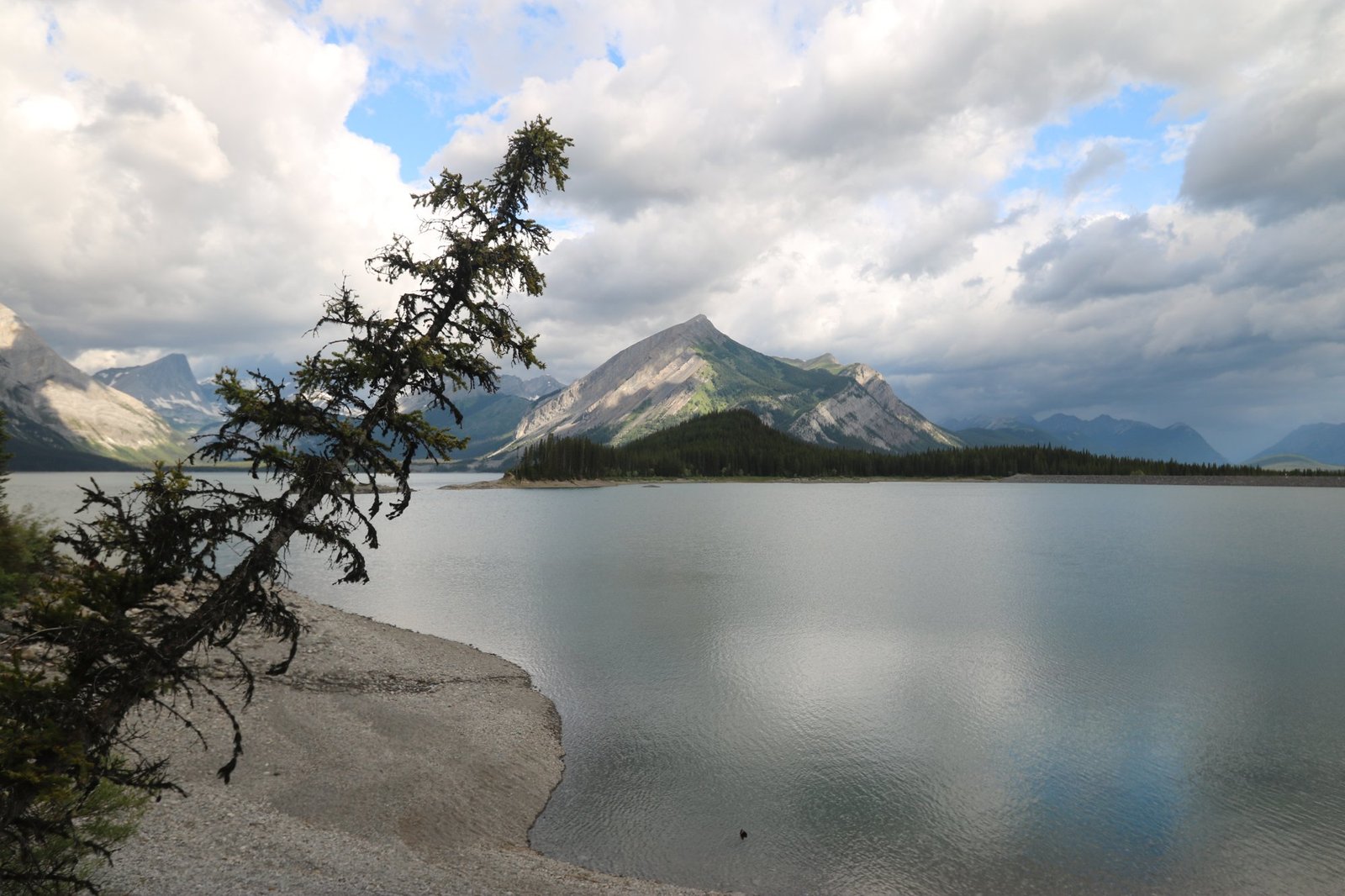
There is a moment on Day 2, just below North Kananaskis Pass, when Maude Lake appears beneath Beatty Glacier, turquoise against grey rock, and the Royal Group’s three summits fill the skyline across the Continental Divide. Getting there takes two full days, and a scree traverse and a second creek crossing still lie ahead before camp.
That middle day is what makes the kit non-negotiable. You cross into British Columbia and back on unmarked ground, wade a cold creek at least once, and walk with essentially no cell signal in grizzly country. This is the kit dialled for this specific loop, what to pack for the Turbine Canyon to Three Isle Lake loop, not a generic backcountry checklist.
Still deciding whether to walk it? Start with the full Turbine Canyon to Three Isle Lake guide for the day-by-day route, permits, and the current bridge detour. For the broader system behind these gear calls, see Multi-Day Hiking Gear: What You Actually Need.
Conditions That Drive Your Kit
41 km (25.5 miles), a loop usually walked in 3 days, 2 nights (a 4-day pace with a Forks overnight suits a gentler start). Season window is mid-July through late September; snow routinely lingers on both North and South Kananaskis Pass into July. The middle day crosses two passes and fords LeRoy Creek twice, the second crossing regularly a shoe-off wade. One roughly 5 km stretch beyond North Kananaskis Pass is unmaintained and easy to lose. Grizzly and black bears are active throughout, with LeRoy Creek’s brushy corridor specifically flagged for extra noise. Every campground has a bear-proof food locker. No source on the route is confirmed safe to drink untreated. Cell coverage is absent along most of the loop. Full specs and the day-by-day breakdown are in the destination guide.
How This Kit Is Built
This list is built from Alberta Parks’ own backcountry equipment guidance for Kananaskis Country, Off Track Travel’s first-hand account of this exact route, and a second independent trip report of the same loop. Everything here earns its place against the three things this loop throws hardest at you: two unbridged creek crossings, an exposed scree traverse with an under-signed stretch either side of it, and a full day with no cell signal in grizzly country.
The Kit, by Category
Bear Spray
Non-negotiable. This is grizzly and black bear country throughout, and the brushy, noisy corridor along LeRoy Creek is specifically flagged by hikers as a spot demanding extra noise and attention, since the terrain makes a surprise encounter easier there than elsewhere on the loop.
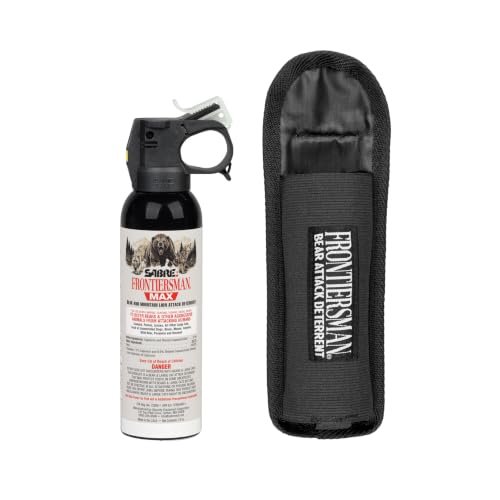
SABRE Frontiersman MAX 7.9 oz Bear & Mountain Lion Spray: Best Overall. Strong range claim in a genuine bear-spray format, sized to clip onto a hip belt or chest holster rather than bury in your pack. Keep it accessible, not packed away, and know how to use it before you’re on trail. Compare more options: Best Bear Sprays for Multi-Day Hiking.
One thing this loop does differently: every campground on the route has a bear-proof food storage locker, so you do not need to carry a hard-sided bear canister here the way you would on the John Muir Trail or Teton Crest Trail. Use the lockers, not a food hang.
Creek Crossings: Water Shoes and Gaiters
This is the category that separates the middle day from the rest of the loop. The two LeRoy Creek crossings come roughly 30 minutes apart on Day 2, ranging from a rock-hop to a full shoe-off wade depending on recent rain. Hikers who have walked this route describe swapping into water sandals for the second crossing, and unclipping your pack’s hip belt and sternum strap before wading either one.
Water shoes: HUMTTO Amphibious Water Shoes: non-slip and quick-drying, purpose-built for wading a cold ford and walking on rather than finishing the day in soaked boots. Compare more options: Best Hiking Sandals.
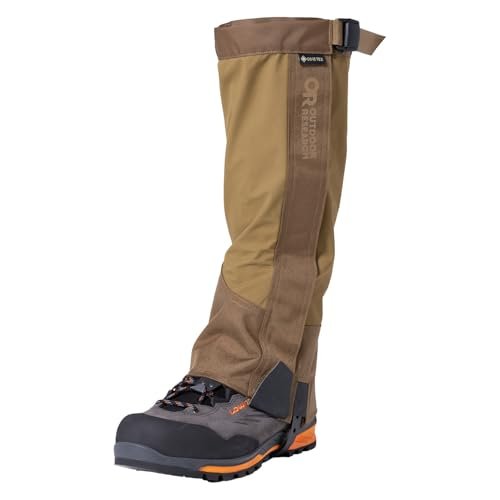
Gaiters: Outdoor Research Crocodile GORE-TEX Gaiters: genuinely waterproof, and useful well beyond the fords, they keep loose scree and grit out of your boots on the narrow traverse below Beatty Lake too. Compare more options: Best Hiking Gaiters.
Footwear: Waterproof Boots
Between the talus slope on Day 1, the steep, loose descent off North Kananaskis Pass, and roughly 30 m of very tight footing on the exposed scree traverse, this is not a category to cut corners on.
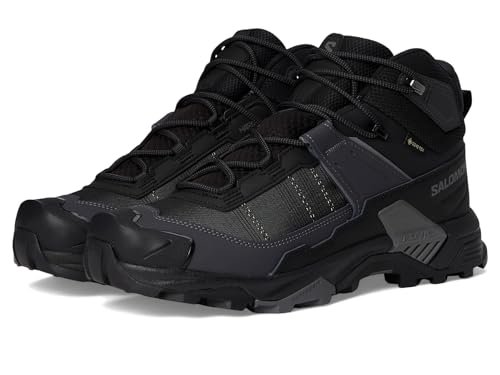
Salomon X Ultra 5 Mid GTX: Best Overall. A genuine Gore-Tex membrane and Salomon’s All Terrain Contagrip outsole handle wet rock and loose scree well, and the mid-height cuff gives real ankle support for the steep drop off North Kananaskis Pass. Compare more options: Best Waterproof Hiking Boots for Multi-Day Hiking.
Wind and Rain Protection
Conditions at this elevation change quickly, and snow is possible on either pass at any time of year, including midsummer. Long stretches, especially the scree slope and both pass crossings, offer little to no shade or shelter if weather turns.
Rain jacket and insulating layer: a genuinely waterproof, wind-resistant shell paired with a warm insulating mid-layer is the standard to hold gear to here, not a showerproof jacket alone. Compare options: Best Lightweight Hiking Jackets for Multi-Day Hiking.
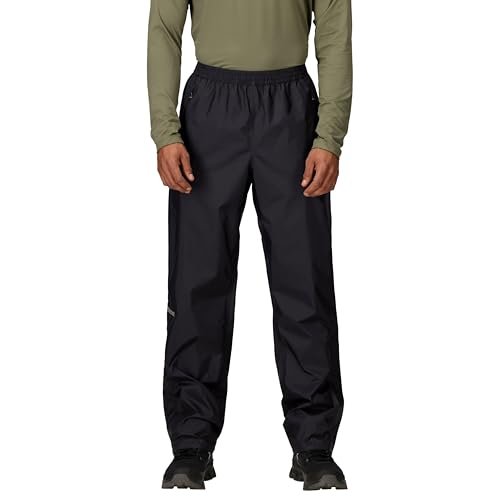
Rain pants: Marmot PreCip Eco Rain Pant: Best Overall, in men’s and women’s fits. Wind-driven rain or sleet on an exposed pass or the scree traverse finds any gap a jacket alone leaves. Compare more options: Best Rain Pants for Multi-Day Hiking.
The Rest of Your Kit
These categories matter too, and each earns its place on this loop, but none of them are the make-or-break calls above.
Sleep System
Turbine Canyon and Three Isle Lake Campgrounds sit in forest rather than high alpine terrain, but both passes hold snow into July in a heavy year and camp temperatures drop fast once the sun clears the ridgelines.
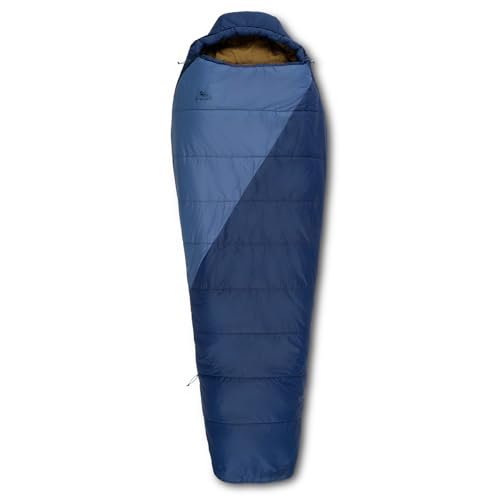
Sleeping bag: Kelty Cosmic Synthetic 20 Degree: Best Overall. A 20°F rating gives real margin for a cold night without the bulk of a 0°F bag this season window doesn’t call for, and synthetic fill keeps insulating if a tent gets damp from condensation or an unexpected shower. Compare more options: Best Synthetic Sleeping Bags for Multi-Day Hiking.
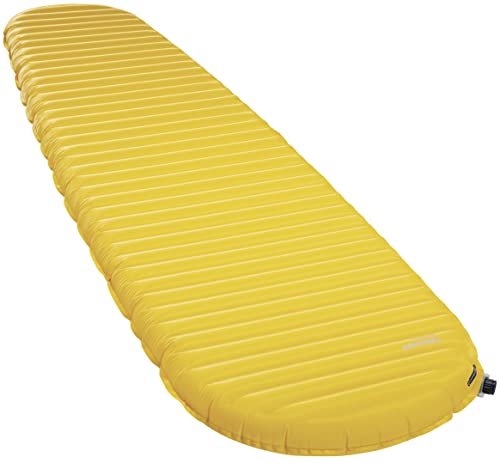
Sleeping pad: Therm-a-Rest NeoAir XLite NXT: Best Overall in our insulated sleeping pads guide, R-value 4.5 at around 340 g. Cold ground pulls heat out of you faster than cold air does, and a pad with no stated R-value will undo a warm bag from underneath. Compare more options: Best Insulated Sleeping Pads for Hiking.
Backpack
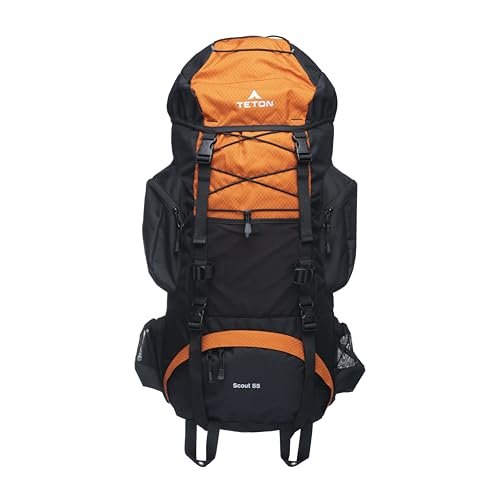
TETON 55L Scout Internal Frame Backpack: Best Overall in our multi-day backpacks guide. You are not carrying a bear canister or a multi-day water supply on this loop, so a 50 to 60 litre pack with a rain cover is genuinely enough for 2 to 3 nights of food, layers, and a sleep system. Compare more options: Best Multi-Day Backpacks.
Trekking Poles
Black Diamond Alpine Carbon Cork: Best Overall in our trekking poles guide. Genuinely useful rather than a nice-to-have here, for balance through both LeRoy Creek crossings and for saving your knees on the steep, loose descent off North Kananaskis Pass and the scree traverse below Beatty Lake. Compare more options: Best Trekking Poles for Multi-Day Hiking.
Insulated Camp Jacket
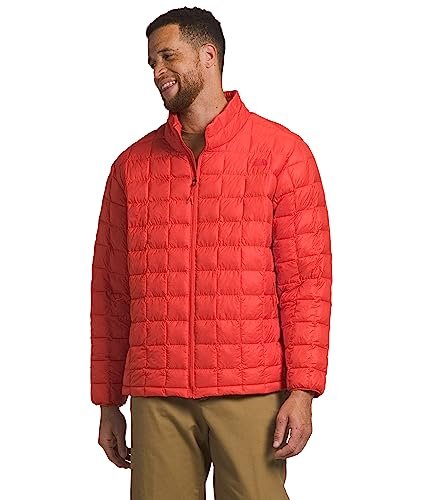
The North Face ThermoBall Eco Jacket 2.0: Best Overall. Keeps insulating even when damp from tent condensation or a passing shower, and earns its place the moment the sun drops at Turbine Canyon or Three Isle Lake. Compare more options: Best Insulated Jackets for Hiking.
Water Treatment
Water is easy to find along the whole route: the Upper Kananaskis River, Maude Brook and Lake, LeRoy Creek, Beatty Creek and Lake, and Three Isle Lake itself. No official statement confirms any of it safe to drink untreated, and the standard Rockies default, given wildlife activity and hikers upstream, is to treat everything regardless of clarity.
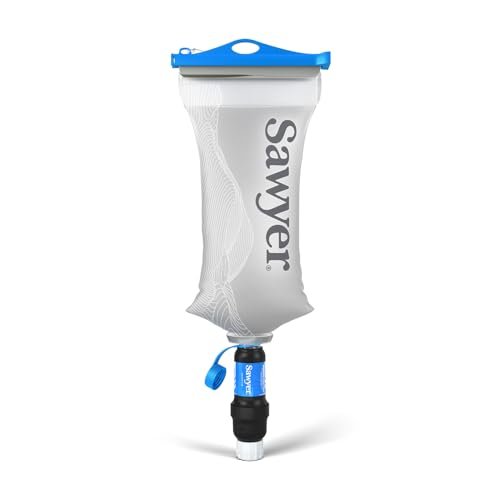
Sawyer Squeeze Water Filtration System: Best Overall. Reliable, field-cleanable, and light enough that carrying a chemical backup alongside it costs almost nothing, worth doing since a squeeze filter can freeze solid on a cold night. Compare more options: Best Water Filters for Hiking.
Cooking System
Campfires are permitted only at Forks Campground, so a stove is how you cook hot food at Turbine Canyon and Three Isle Lake, not a comfort upgrade. A compact canister stove boils water fast and packs small for a 3-day carry. Compare options: Best Backpacking Stoves.
Headlamp
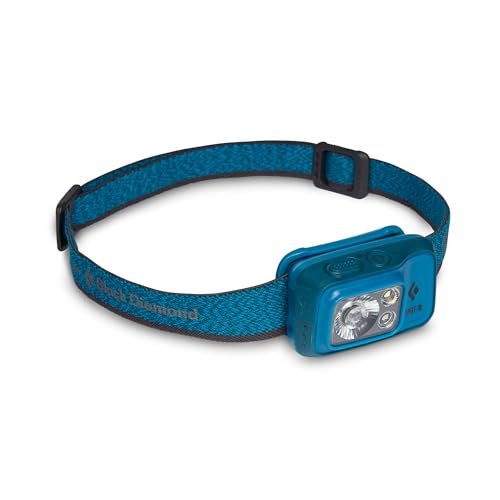
Black Diamond Spot 400-R: Best Overall. Worth having for an early start ahead of the demanding Day 2 push over both passes, giving you time on the exposed scree traverse without rushing weather you can’t see coming in the dark. Compare more options: Best Headlamps for Hiking.
Navigation
Two-thirds of this loop is signed and well-maintained, so you are not relying on a compass to find your way across most of it. But the roughly 5 km stretch along LeRoy Creek, past North Kananaskis Pass, sits outside the signed trail network and is easy to lose in places, with at least one documented case of a popular navigation app dropping the route entirely. A phone with no signal and a routing gap is not a backup plan.
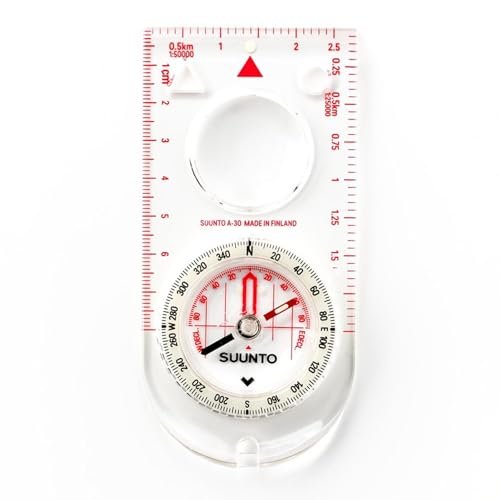
Suunto A-30 NH USGS Compass: Best Overall, a sound backup to carry alongside a proper topographic map (the Gem Trek Kananaskis Lakes map is the standard paper reference for this route). Compare more options: Best Hiking Compasses.
A satellite messenger or PLB is worth serious consideration too. Cell coverage is absent along most of the loop, and the middle day in particular is remote and lightly trafficked. This is a safety purchase, not an affiliate pick: buy or hire a unit you trust and register it before you go.
Kit at a Glance
| Category | Our Pick | Why It Matters Here |
| Bear spray | SABRE Frontiersman MAX 7.9 oz | Mandatory in grizzly country, especially the LeRoy Creek corridor |
| Water shoes | HUMTTO Amphibious Water Shoes | Purpose-built for the two LeRoy Creek crossings |
| Gaiters | Outdoor Research Crocodile GORE-TEX | Keeps water and scree out of your boots on fords and the traverse |
| Boots | Salomon X Ultra 5 Mid GTX | Ankle support and grip for talus, scree, and the pass descent |
| Rain jacket | Genuinely waterproof shell (see Best Lightweight Hiking Jackets) | Snow is possible on either pass in any month |
| Rain pants | Marmot PreCip Eco | Wind-driven rain or sleet on exposed passes finds jacket-only gaps |
| Sleeping bag | Kelty Cosmic Synthetic 20°F | Real margin for cold nights at Turbine Canyon and Three Isle Lake |
| Sleeping pad | Therm-a-Rest NeoAir XLite NXT | R-value 4.5 stops cold ground stealing your warmth |
| Backpack | TETON 55L Scout | 50 to 60L is enough with no canister or big water carry needed |
| Trekking poles | Black Diamond Alpine Carbon Cork | Balance through fords, knee support on the pass descent and scree |
| Insulated jacket | North Face ThermoBall Eco 2.0 | Camp temperature drops fast once the sun clears the ridgelines |
| Water filter | Sawyer Squeeze | No source on the route is confirmed safe untreated |
| Cooking system | Compact canister stove (see Best Backpacking Stoves) | Campfires permitted only at Forks Campground |
| Headlamp | Black Diamond Spot 400-R | Early starts ahead of the demanding two-pass Day 2 |
| Navigation | Suunto A-30 NH Compass + paper map | Backup for the unmaintained, easy-to-lose LeRoy Creek stretch |
What You Can Skip / Over-Packing Traps
A hard-sided bear canister is the biggest thing hikers bring here that they don’t need. Every campground has a bear-proof food storage locker, so unlike the John Muir Trail or Teton Crest Trail, leave that weight and cost at home and use the lockers instead.
You also don’t need a big water supply between camps. Sources are plentiful along the route, so fill up as you go rather than hauling more than a litre or two outside the creek crossings.
Don’t overpack layers “just in case,” either. One waterproof shell, one insulated camp jacket, and a couple of base layers cover the swing between a warm valley afternoon and a cold pass better than three half-used mid-layers. And don’t debut untested gear here: the scree traverse and the LeRoy Creek fords are the wrong place to find out a new boot rubs or a water shoe doesn’t grip wet rock.
Final Thoughts
The gear that matters most here ties to the real risks: bear spray you can reach in grizzly country, dedicated shoes and gaiters for the LeRoy Creek fords, and a compass and paper map for the one stretch where the trail genuinely disappears. Get those right and the rest is standard multi-day kit. For the full itinerary, permit timing, and the current bridge detour, read the Turbine Canyon to Three Isle Lake destination guide. For the framework behind these picks, see Multi-Day Hiking Gear: What You Actually Need. If you’re weighing a similar trip, our What to Pack for the Skyline Trail and What to Pack for the Brazeau Loop guides cover much of the same core kit.
Frequently Asked Questions
Do I need a bear canister for this loop?
No. All four campgrounds on the route, Forks, Turbine Canyon, Beatty Lake, and Three Isle Lake, have a bear-proof food storage locker, so you use those instead of carrying a hard-sided canister. Bear spray is still essential and non-negotiable for every hiker.
Do I really need dedicated water shoes for the creek crossings?
Yes, or at minimum a plan for wet feet. The two LeRoy Creek crossings on Day 2 come roughly 30 minutes apart, and the second is regularly a shoe-off wade rather than a rock-hop depending on recent rain. Hiking the rest of the day in soaked boots is avoidable, and a lightweight amphibious shoe does the job well.
How do I navigate the unmaintained stretch near LeRoy Creek?
Carry a physical topographic map and a compass, and don’t rely on a single navigation app. This roughly 5 km section past North Kananaskis Pass sits outside the signed park trail network, is marked only by occasional cairns and tape, and at least one popular routing app is known to drop this exact stretch of trail.
Can I rent gear near the trailhead?
Not at North Interlakes Day Use itself, which has parking, outhouses, and trash bins but no retail or rental services. Canmore and Kananaskis Village, roughly 40 minutes to an hour away, have outdoor retailers for last-minute purchases, but no confirmed rental operator specific to this loop turned up in research.
