

Last updated: September 2026
Wild Trail Hiker is reader-supported. We may earn a commission when you buy through links on this page, at no extra cost to you. We only recommend gear we’d take on a multi-day trip ourselves.
There is a stretch on day one, just past the Punta Gorda Lighthouse, where the trail disappears and the King Range drops straight into the surf. You are walking a strip of packed sand with the tide line an arm’s length away, elephant seals hauled out ahead of you, and nothing between you and Japan but open Pacific. It is why people drive six hours up Highway 101 for a 25-mile hike.
It is also why this kit list looks different from a normal backpacking checklist. The Lost Coast does not care how fit you are. It cares whether you checked the tide chart, whether your boots hold up on wet boulders and dry sand in the same afternoon, and whether everything that needs to stay dry actually does through three tidal crossings and however many creek fords. Get that right and the trail is a genuine highlight. Get it wrong and you become one of the Visitor Center’s rescue stories.
This is what to pack for the Lost Coast Trail: the kit dialled for what this trail actually throws at you, not a generic list with a bear canister bolted on. Still deciding whether to walk it? Start with the full Lost Coast Trail guide for the route, permits, and tide planning. For the logic behind these picks, see multi-day hiking gear: what you actually need.
Conditions That Drive Your Kit
| Factor | Lost Coast Trail reality |
|---|---|
| Distance and duration | 24.6 to 24.9 miles, usually 3 to 4 days |
| Best season | Late May to early October, driest and calmest; coastal fog even then |
| Terrain | Soft dry sand, packed wet sand, cobble, true boulder fields; a few short bluff reroutes |
| Tides | Three zones impassable above a 6-foot, 2.5-foot, and 3-foot tide respectively; a permit does not guarantee passage |
| Weather | Mild, often wet; the King Range averages around 120 inches of rain a year outside the dry season |
| Water | Creeks roughly every mile on the beach sections; all of it needs treating |
| Remoteness | No cell coverage, no BLM search and rescue presence on this stretch |
Every pick below traces back to a line in this table. Full route, permit, and tide detail lives in the Lost Coast Trail guide.
How This Kit Is Built
Everything here earns its place against the three things the Lost Coast throws hardest at you: tide-timed terrain that shifts between sand and boulders, water you treat yourself, and a total absence of cell coverage or rescue backup. This list comes from the BLM’s own trip planning guidance, the required-gear lists used by guided operators, and the packing notes of hikers who have actually walked it, matched to real products. Where the site’s catalogue does not yet have the right product, that is said plainly rather than papered over with a weaker pick.
The Kit, by Category
Water Treatment: Treat Every Drop
The BLM does not call any source on this trail safe to drink untreated, coastal creek or otherwise, since wildlife traffic surrounds every reliable source. Creeks turn up roughly every mile on the beach sections outside the driest months, so you are treating little and often rather than carrying huge volumes.
A squeeze filter is the simplest fit here: fast at a trailside creek, no pumping, and light enough that it disappears in your pack. The Sawyer Squeeze threads onto standard bottles and bags and has years of proven use on exactly this kind of frequent-refill trail.
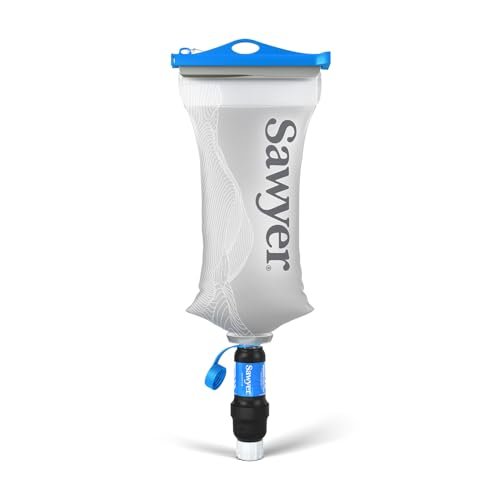
Hiking as a pair or group? A gravity filter saves the queue-and-squeeze routine at camp: fill it, hang it, let it drain while you set up your tent. Compare the full range in best water filters for hiking.
Bear Canister: Non-Negotiable, and Checked
A hard-sided bear canister is mandatory, one per person, and BLM rangers do check at both trailheads. Soft-sided bags and hangs are not accepted, since there is nowhere reliable to hang food on an open beach anyway. The BearVault BV500 is the standard choice for a multi-day carry like this one: clear sides to check contents without opening it, and enough volume for 3 to 4 days of food and scented items.
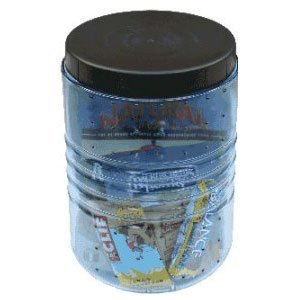
Rather not buy one for a single trip? Canisters rent for $5 plus a refundable $75 deposit at the King Range Visitor Center and the Petrolia General Store near Mattole. Compare options in best bear canisters for multi-day hiking.
Footwear: Boots, or Trail Runners and Wet Feet
There is a genuine split among experienced Lost Coast hikers on this one, and it is worth knowing both sides before you pack. Boulder fields and constantly shifting sand put a premium on ankle support, and a mid-height boot is the safer default for most hikers, especially on a first trip. The Merrell Moab 3 Mid pairs a durable sole with real ankle support and stays breathable enough for warm, sandy miles.
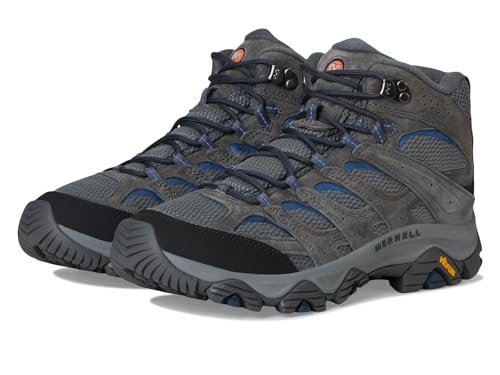
Compare the best waterproof hiking boots.
The other camp, usually hikers who already log big miles in trail runners, accepts wet feet at creek crossings for a lighter, faster shoe and lower blister risk. It works if your ankles already handle loose, uneven ground. Whichever you choose, break it in well beforehand and pair it with gaiters (below) to keep sand out.
Navigation and Tide Safety: The Trail’s Real Test
This category actually defines the trail, and most of it costs nothing. A current tide table for the Shelter Cove NOAA station, printed or downloaded before you lose signal, is arguably the single most important item here: the three impassable zones require tides under 6, 2.5, and 3 feet, and a valid permit does not guarantee the water lets you through on your dates. Pair it with the BLM’s own King Range topographic map and guide (PDF), carried on paper since there is no signal on trail to reload a phone map.
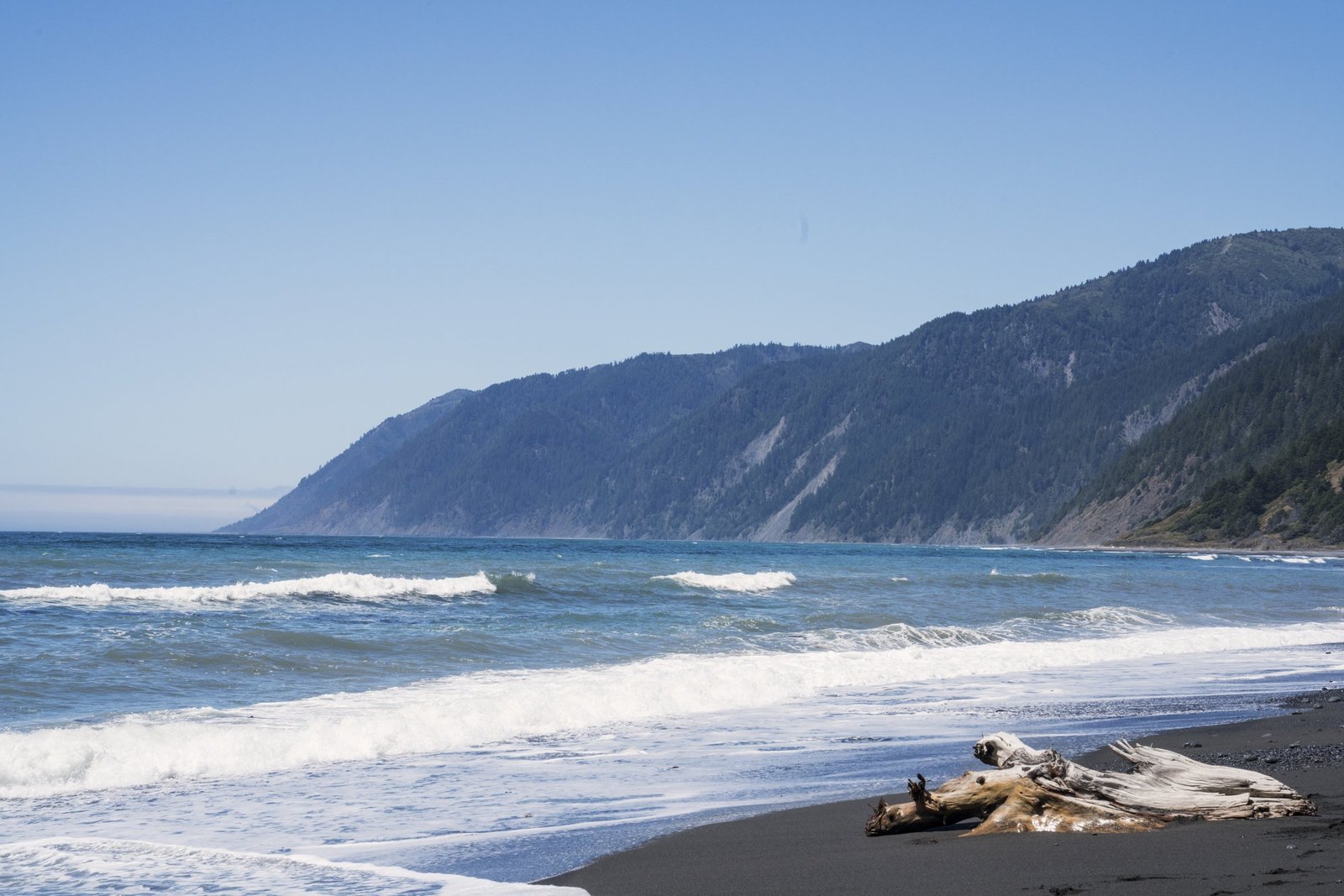
With no cell coverage and no BLM search and rescue presence here, a backup beyond your phone is worth carrying. A dedicated GPS device holds your track and waypoints without draining a phone battery; see best hiking GPS devices. For genuine emergencies, a personal locator beacon or satellite messenger is the honest safety net, more than on most trails on this site. This is a safety purchase, not an affiliate pick: buy or hire one you trust and register it before you go.
Trekking Poles
Soft sand saps your pace and boulder fields test your ankles and knees in the same afternoon, and poles help with both, plus the creek and log crossings between camps. The Black Diamond Alpine Carbon Cork holds up well to sand and salt spray over a multi-day trip.
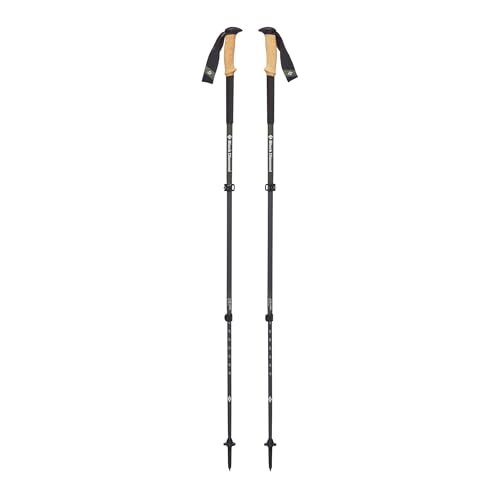
Compare the best trekking poles.
Gaiters
Loose, deep sand gets into everything here, and low gaiters make a real difference to comfort and blister prevention by day two. They also guard against ticks, which trip reports consistently flag around driftwood and coastal brush. See best hiking gaiters.
Rain Protection: Shell and Pants
Weather comes off the Pacific fast and with little warning, even inside the dry-season window, and several trip reports call out getting caught by rain a jacket alone did not handle. A reliable waterproof shell is the baseline; see best waterproof jackets. For sustained or wind-driven rain, add rain pants rather than relying on quick-dry hiking pants alone. The Marmot PreCip Eco Rain Pant packs small and adds real coverage for the cost.
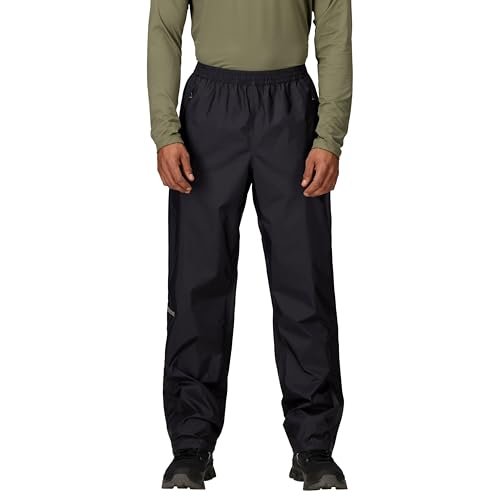
Compare the best rain pants for hiking.
Backpack
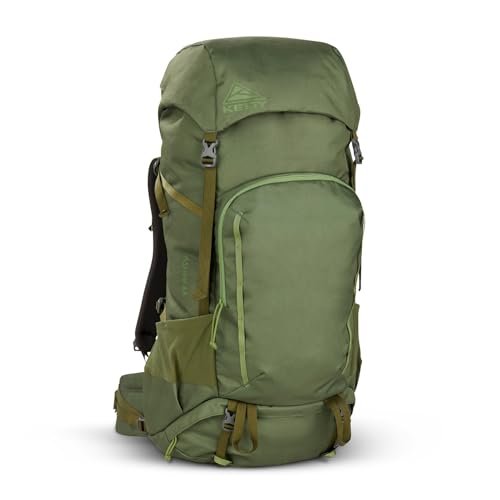
You are not carrying two days of water like a desert trail, but you are carrying a bear canister, a dry bag system, and food and fuel for 3 to 4 days. Most operator lists specify 50 litres or more. The Kelty Asher 65L gives comfortable margin for a canister and wet-weather gear without overbuilding for a short trip.
Compare the best internal frame backpacks.
Shelter
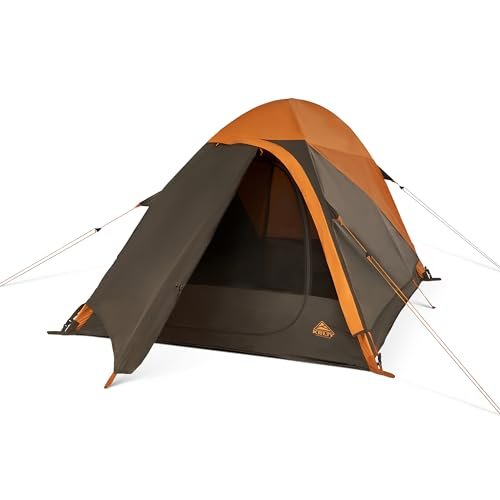
Camps here are exposed, sandy, and windy, and stakes do not always bite in loose sand. A freestanding, double-wall tent like the Kelty Grand Mesa 2P stands without relying on perfect stake placement and vents well against coastal damp. Bring a footprint: the same sand that gets in your boots is unkind to a tent floor.
Compare the best freestanding tents.
Sleep System
Nights here are milder than an alpine or desert trail, since the ocean buffers the swing, but persistent damp is the real challenge, not cold. A synthetic bag rated 20 to 30°F handles the range most hikers report and shrugs off condensation better than down; see best synthetic sleeping bags. Pair it with a standard 3-season pad, no need for the sub-zero R-value gear this site recommends for colder trails; see best sleeping pads for camping.
Headlamp
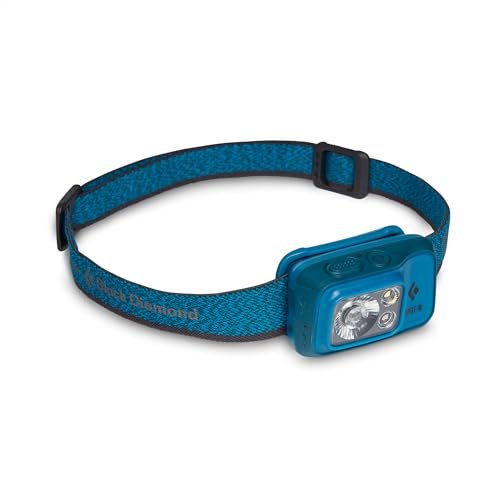
Early starts matter here, since you often want to be moving before the day’s tide window opens, and a reliable headlamp with a genuine red-light mode helps at camp without wrecking your night vision. The Black Diamond Spot 400-R is the site’s standard pick.
Compare the best headlamps for hiking.
Dry Bag: Keep Electronics and Your Permit Dry
Ocean spray through the tidal zones, plus multiple creek fords, means anything that cannot get wet needs its own waterproof layer, not just faith in your pack’s fabric. A dedicated dry sack for your phone, permit, and electronics is worth the extra grams. See best dry bags for hiking.
Kit at a Glance
| Category | Our Pick | Why It Matters Here |
|---|---|---|
| Water treatment | Sawyer Squeeze | Fast, light treatment for frequent creek refills |
| Bear canister | BearVault BV500 | Mandatory, hard-sided, checked at both trailheads |
| Boots | Merrell Moab 3 Mid | Ankle support and a durable sole for boulders and sand |
| Navigation | Tide table + BLM map + GPS device | No cell coverage; tide-timing is the trail’s real risk |
| Trekking poles | Black Diamond Alpine Carbon Cork | Balance across boulder fields and soft sand |
| Gaiters | See best hiking gaiters | Keeps deep sand and ticks out of your boots |
| Rain shell | See best waterproof jackets | Fast-moving Pacific weather with little warning |
| Rain pants | Marmot PreCip Eco | Sustained or wind-driven rain beats a shell alone |
| Backpack | Kelty Asher 65L | Room for canister, dry bags, and wet-weather kit |
| Shelter | Kelty Grand Mesa 2P | Freestanding for loose, sandy, windy camps |
| Sleep system | Synthetic bag, 20-30°F + 3-season pad | Damp matters more than cold on this trail |
| Headlamp | Black Diamond Spot 400-R | Early starts to beat tide windows |
| Dry bag | See best dry bags for hiking | Ocean spray and creek fords through every tidal zone |
What You Can Skip
Plenty of hikers arrive at Mattole carrying weight the trail never asks for.
You do not need a heavy four-season tent. Wind and sand are the challenge, not snow loading, so a sturdy three-season freestanding tent is genuinely enough.
You do not need to carry days of water at once. Creeks are frequent outside the driest months, so treat as you go rather than hauling a full supply from Mattole.
You do not need a full camp kitchen setup. Campfires are banned in the wilderness from June 19 through September 30, and a CAL FIRE permit is required for a stove outside that window too, so keep cooking simple year-round.
And you do not need brand-new boots or an untested tent. This is the wrong trail to discover your gear does not fit, days from the nearest road and a tide cycle from your next chance to fix it.
Renting vs Buying
A hard-sided bear canister is the one item on this list genuinely worth renting rather than buying for an occasional trip. Canisters rent for $5 per trip plus a refundable $75 deposit at the King Range Visitor Center and the Petrolia General Store, both a short drive from the trailhead. If you expect more Sierra or coastal California trips with a canister requirement, buying pays for itself after two or three rentals.
Final Thoughts
The Lost Coast rewards the same discipline in your gear closet as in your trip planning: treat every drop of water, carry a canister that keeps rangers happy, and keep your tide table and phone somewhere the ocean cannot reach them. Get that right and the rest is standard multi-day sense. For the full route and tide-window breakdown, see the Lost Coast Trail guide, and back up your gear logic with multi-day hiking gear: what you actually need. For another remote, permit-heavy coastal trek, see what to pack for the Kalalau Trail.
Frequently Asked Questions
Do I really need a bear canister for the Lost Coast Trail?
Yes, one per person, hard-sided, no exceptions. Rangers check at both trailheads, and soft-sided bags are not accepted since there is nowhere reliable to hang food on open beach. Canisters rent for $5 per trip at the Visitor Center and the Petrolia General Store.
Can I hike the Lost Coast Trail in trail runners instead of boots?
Some experienced hikers do, accepting wet feet at creek crossings for a lighter, faster shoe. Most first-timers are better served by a mid-height boot with real ankle support, given the boulder fields and shifting sand. Either way, break your footwear in first.
What is the single most important thing to pack?
A current, printed or downloaded tide table for the Shelter Cove NOAA station. The three impassable zones require tides under specific thresholds to cross safely, and a valid permit does not guarantee the water lets you through.
Do I need a dry bag if my pack already has a rain cover?
Yes. A pack cover keeps rain off the outside, but it does nothing for ocean spray through the tidal zones or a creek ford gone wrong. A dedicated dry sack for your phone, permit, and electronics is cheap insurance against the one soaking that ruins your trip.
