

Last updated: September 2026
Wild Trail Hiker is reader-supported. We may earn a commission when you buy through links on this page, at no extra cost to you. We only recommend gear we’d take on a multi-day trip ourselves.
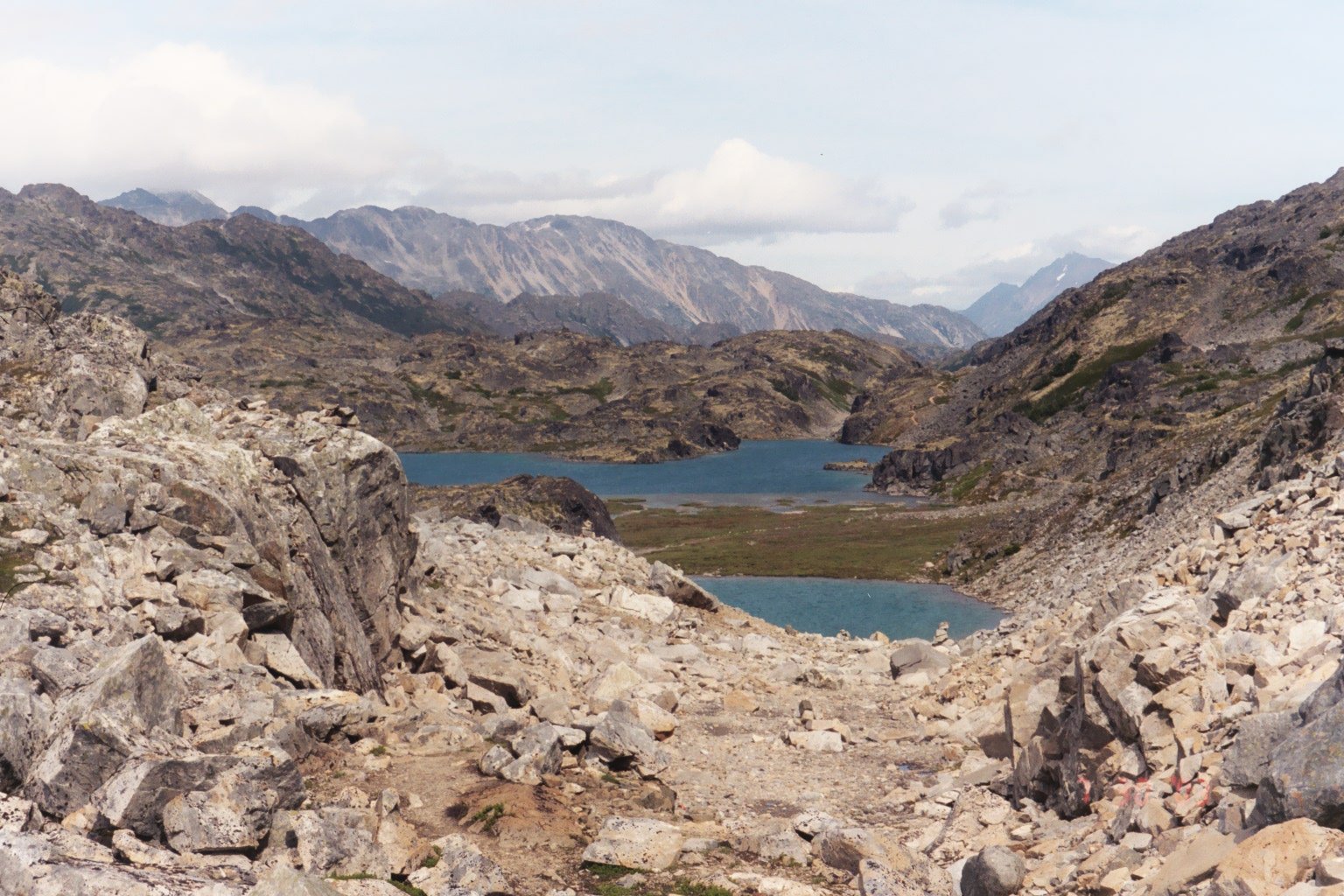
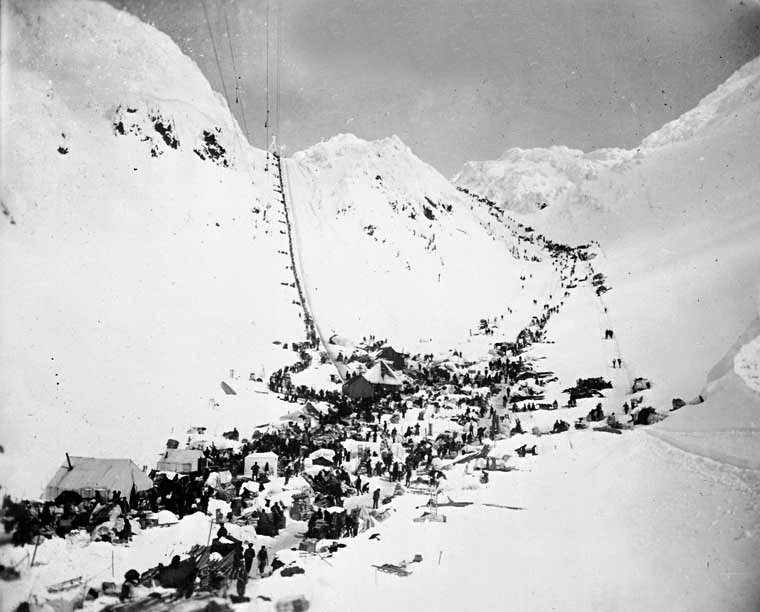
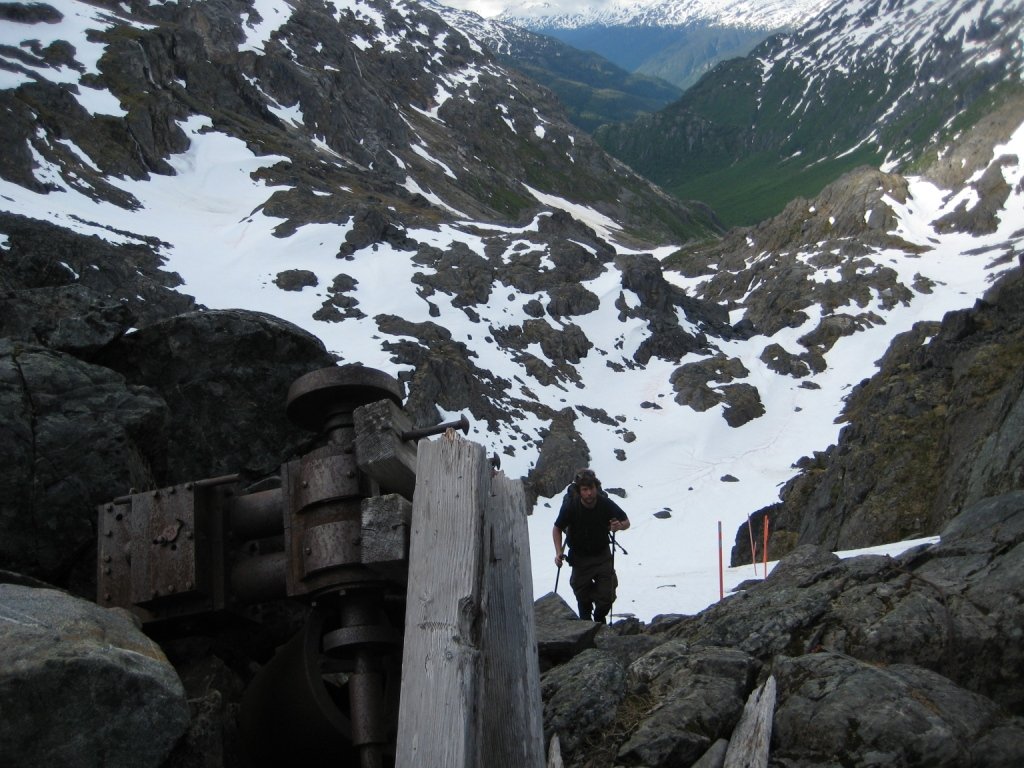
The first thirteen miles of the Chilkoot Trail lull you. Rainforest, a river, boardwalks over a beaver pond, gold rush ruins half swallowed by moss. Then you leave Sheep Camp before dawn, cross The Scales where stampeders reweighed a ton of gear before the final push, and the trail stops being a walk. The Golden Stairs gain more than 2,500 feet in 3.5 miles of chunky boulder, above treeline, in weather the National Park Service itself describes as driving rain, sleet, or snow on an ordinary day, not a bad one.
That is the trail this kit is built for: an easy river valley for three days, then one of the hardest single days you will find on a US National Historic Trail. Most packing lists treat every trail the same. This one does not, because the Chilkoot genuinely has two personalities, and gear that is fine for the rainforest can fail you badly on the boulder field. This is what to pack for the Chilkoot Trail if you want a kit built for both halves, not just the easy one.
If you are still deciding whether to walk it, start with the full Chilkoot Trail guide for the border closure, permits, and the day-by-day route. For the reasoning behind kit choices generally, see multi-day hiking gear: what you actually need.
Conditions That Drive Your Kit
| Factor | Chilkoot reality |
|---|---|
| Distance and duration | 26 miles round trip, Dyea to Chilkoot Pass and back; 4 days / 3 nights |
| Best season | Mid-June through August; early June still carries avalanche risk and lingering snowfields |
| Terrain | Flat, root-tangled rainforest for 13 miles, then a 3.5-mile boulder scramble gaining 2,500+ feet |
| Weather | Wet and changeable throughout; driving rain, sleet, hail, snow, and high wind are normal at the pass, not exceptional |
| Water | Abundant (the Taiya River runs the length of the route) but non-potable everywhere, and glacial silt clogs a fine filter fast |
| Wildlife | Black and grizzly bears common the entire route; food storage is via bear lockers at every campground |
Full route, permit, and border detail sits in the Chilkoot Trail guide. Every pick below traces back to a line in this table.
How This Kit Is Built
This list is built from the National Park Service’s own Chilkoot Trail gear guidance, Parks Canada’s equipment page for the trail, and the accounts of hikers and outfitters who have actually done the Sheep Camp to Chilkoot Pass push. It is built for the trail first. Three things make or break a Chilkoot hike: staying dry through a wet lowland trail, staying warm and sure-footed on one demanding alpine day, and treating water that every official source calls non-potable. Those get the detail below. The rest still matters, and gets a clear pick.
Water Treatment: The Silt Problem
Every official campground on the US side draws from the Taiya River, and the National Park Service is blunt about it: the water is non-potable, treat everything you drink. Less obvious until you are at the river is that Taiya water carries a real glacial sediment load, and sediment is exactly what clogs a fine filter fast.
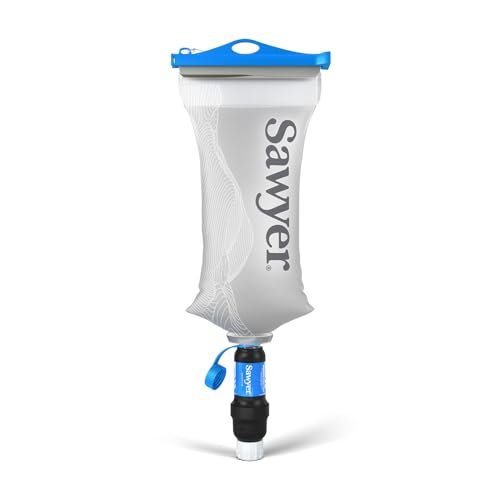
A standard squeeze filter handles this trail well as your everyday system. The Sawyer Squeeze is light, threads onto standard bottles, and has years of proven use on wet coastal trails. Carry a bandana or coffee filter as a rough pre-filter for the siltiest stretches, and expect to backflush more often than on a clear alpine stream.
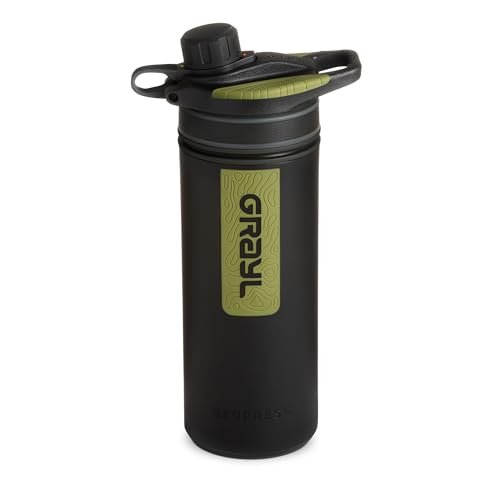
If you would rather not think about clogging, a press-style purifier is the other honest option. The GRAYL GeoPress pushes clean water through in seconds and handles viruses as well as bacteria and protozoa, worth having when every source on the trail is officially unverified. It is bulkier and heavier, and that trade is the whole decision.
Size your capacity to the trail, not the average day: a 2 to 3 litre bladder is enough given how often you cross the Taiya, so this is one trail where you do not need to over-carry water. Compare more options: best water filters for hiking.
Sleep System: Wet Trail, Cold Ground
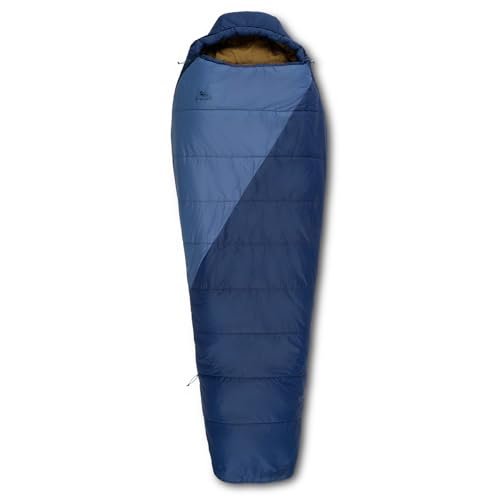
Parks Canada says it plainly: the Chilkoot is wet, and it is no place for a down sleeping bag. Rain, condensation, and the sheer number of stream crossings mean a down bag’s insulation is at real risk of getting wet and staying wet, exactly when you need it most. Every official and independent source on this trail agrees on synthetic.
A 20°F-rated synthetic bag like the Kelty Cosmic Synthetic 20 Degree gives you a genuine margin above what most July and August nights demand, and it keeps most of its insulating power even if it gets damp.
The mat matters just as much. Established campgrounds on this trail use wooden tent platforms, not soft ground, and platforms pull heat out of an uninsulated pad even faster than dirt does. An insulated inflatable pad with a real R-value of 3 or higher, like the Therm-a-Rest NeoAir XLite NXT, is the right spec here, not a thin foam camp pad.
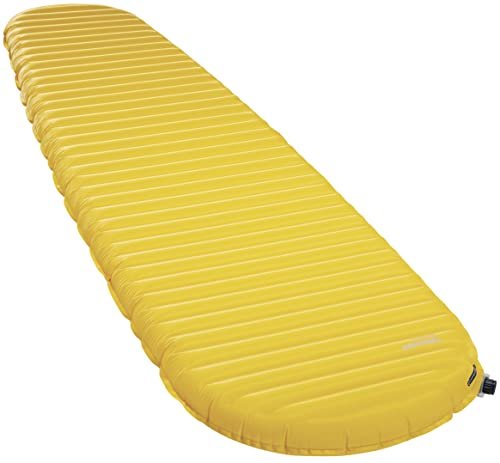
Compare more options: best synthetic sleeping bags and best insulated sleeping pads for hiking.
Footwear: Boots, Wet Feet, and the Boulder Field
Your feet are going to get wet. Multiple stream crossings, boardwalks that flood in heavy rain, and creek splashes on the Golden Stairs mean the question isn’t how to stay dry, it’s how to manage wet feet without damage.
Most hikers do best in a waterproof mid-height hiking boot with a Gore-Tex liner and real ankle support, like the Salomon X Ultra 5 Mid GTX. That support pays off twice: on the root-tangled rainforest tread of the first 13 miles, and again on the loose boulder of the Golden Stairs, where a rolled ankle is a genuinely bad place to have one.
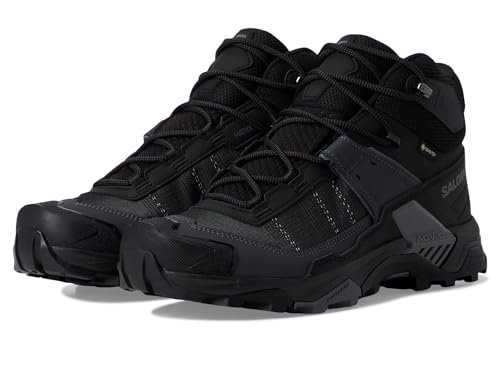
Some experienced hikers go the other way: trail runners, worn wet all day, dried out deliberately at camp. It is lighter and faster-drying than a soaked boot, but it demands discipline about foot care and comfort with wet feet on rocky, root-strewn ground. If you go this route, weigh the lost ankle support honestly rather than assuming a trail runner performs the same as a boot on the boulder field.
Whichever you choose, carry at least two spare pairs of wool or synthetic hiking socks (never cotton), like the DANISH ENDURANCE Merino Wool Hiking Socks, plus lightweight camp shoes so your feet get a real break from wet boots each evening.
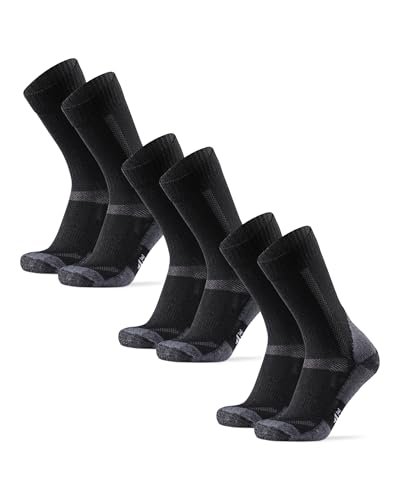
Compare more options: best waterproof hiking boots and best hiking socks for preventing blisters.
Rain Protection: The Central Risk
Parks Canada’s own equipment page opens with a single instruction: your main goal on the Chilkoot is to stay warm and dry. This is not boilerplate. The stretch from Sheep Camp to the pass sees driving rain, sleet, and high wind as standard conditions, and a soaked hiker at 3,500 feet in wind is a genuine hypothermia risk, not just a miserable one.
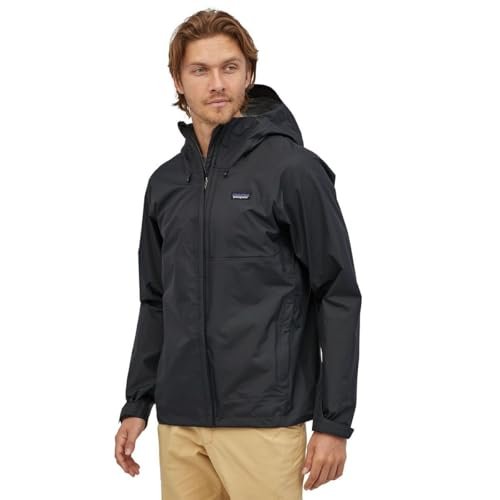
A genuinely waterproof, breathable rain jacket is non-negotiable, not a light windbreaker sold as one. The Patagonia Torrentshell 3L Rain Jacket is the site’s top overall pick for exactly this kind of trail.
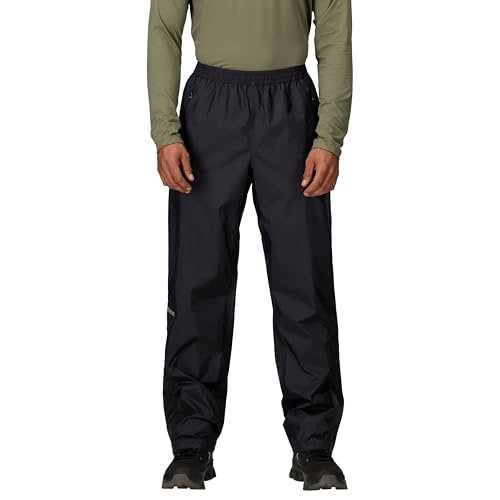
Rain pants matter here too, and hikers who skip them on other trails should not skip them on this one. Wet legs on a long, cold exposed day compound fast, and full-length coverage on the boulder scramble keeps you moving instead of stopping to manage cold, wet clothing. The Marmot PreCip Eco Rain Pant is the most consistently recommended all-round pick in the category.
Compare more options: best lightweight hiking jackets and best rain pants for hiking.
The Rest of Your Kit
These categories are more straightforward, but each still earns its place on this trail.
Backpack
Three nights of gear over rough terrain, ending in a steep boulder climb, punishes a weak pack fast. Aim for 50 to 70 litres with a frame that genuinely transfers load to your hips, in the class of an Osprey Atmos or Aura AG, the benchmark worth fitting yourself against. Compare options: best multi-day backpacks.
Shelter
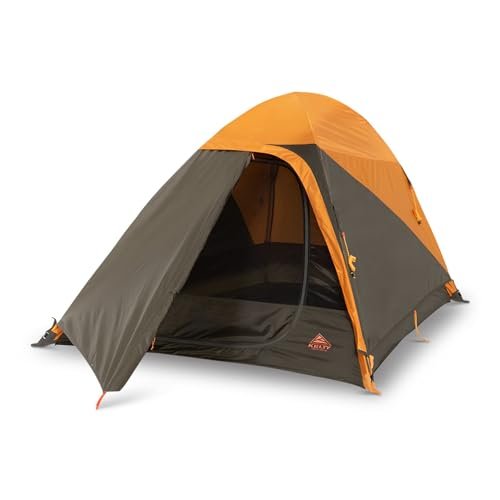
Established campgrounds use wooden tent platforms, so you cannot pitch on the ground. A freestanding double-skin tent like the Kelty Grand Mesa 2P stands without depending on stakes, and sturdy cord lets you lash it to the platform’s tie-offs.
Compare options: best freestanding tents.
Trekking poles
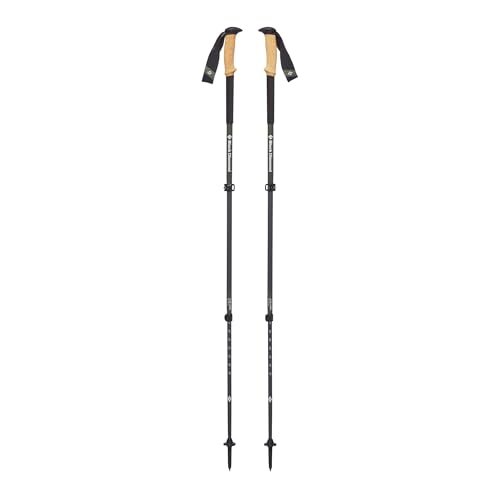
Useful on the boulder field, stream crossings, and the tired descent back to Sheep Camp. Parks Canada notes pole use has worsened erosion here, so use them where safety demands it rather than out of habit on the exposed tread. The Black Diamond Alpine Carbon Cork is a durable, trail-proven pick.
Compare options: best trekking poles.
Bear spray
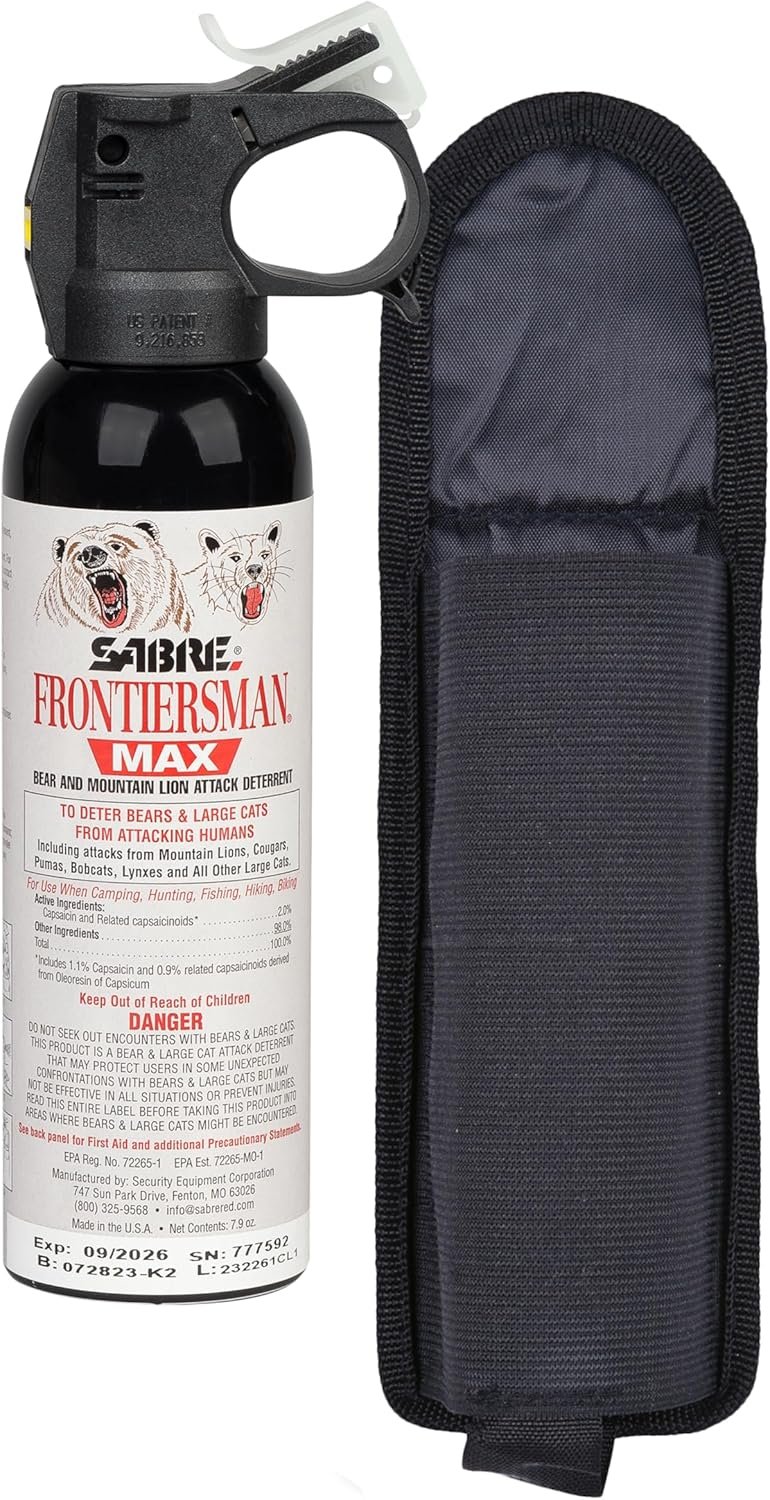
Black and grizzly bears are a constant presence along the route, and spray is allowed and recommended on the US side. Carry it clipped somewhere you can reach in seconds. The SABRE Frontiersman MAX 7.9 oz is the site’s top overall pick.
Compare options: best bear sprays.
Warm camp layer
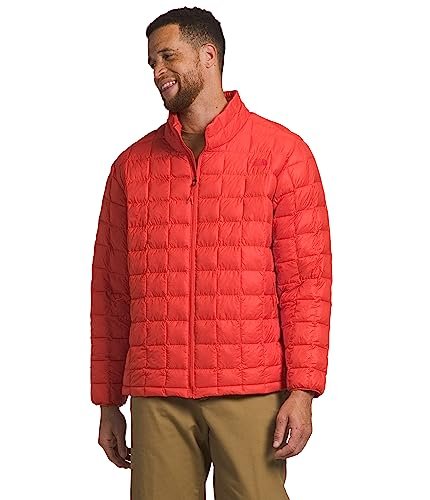
The temperature swing at camp, or standing in wind at the pass, is real even in July and August. A warm insulated jacket with a hood, like the The North Face ThermoBall Eco Jacket 2.0, plus a wool hat and light gloves for the pre-dawn start, closes the gap a rain shell cannot.
Compare options: best insulated jackets for hiking.
Headlamp
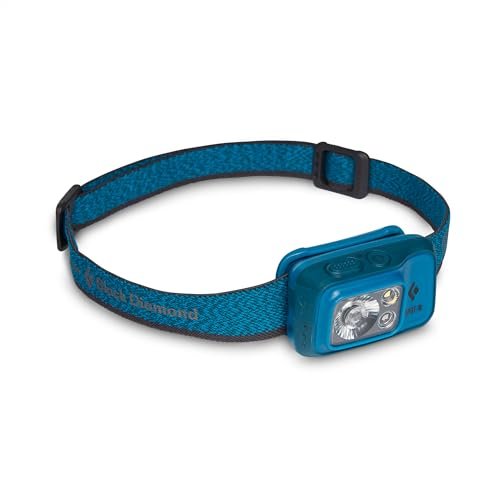
Most groups leave Sheep Camp as early as 4am, and the rainforest canopy stays dim even at midday. A reliable headlamp with spare batteries is not optional. The Black Diamond Spot 400-R suits this trail well: bright for boulder-field footing, simple to run one-handed.
Compare options: best headlamps for hiking.
Gaiters
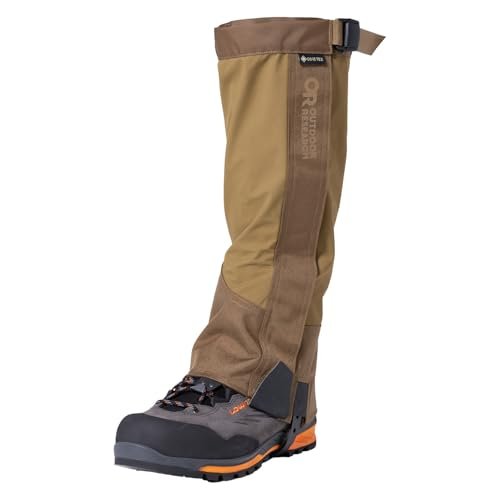
Lightweight gaiters keep grit, mud, and creek splash out of your boots on both the rainforest tread and the boulder field. The Outdoor Research Crocodile GORE-TEX Gaiters is the site’s top overall pick.
Compare options: best hiking gaiters.
Navigation
The trail is well marked, with one exception: fog at the pass can hide the markers, and the historic route follows old tram cable rather than a clear tread.
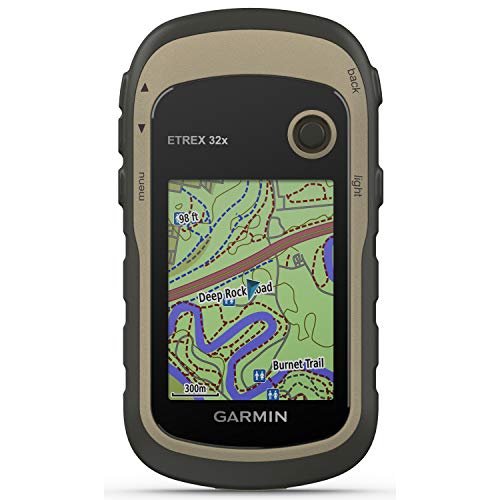
A GPS device loaded with the route, like the Garmin eTrex 32x, used as a backup rather than a replacement for attention, is cheap insurance on a low-visibility day.
Compare options: best hiking GPS devices.
Dry bag
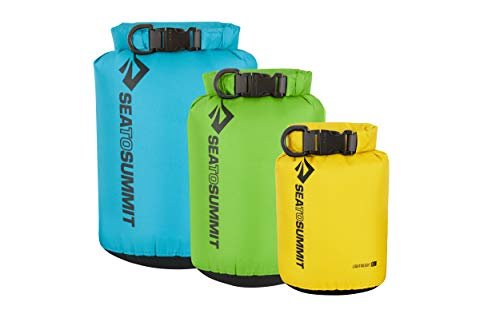
The pattern here is wet trail by day, cold camp by night, and the gear that bridges the two, your insulated jacket, dry base layers, spare socks, is what a soaked pack ruins first. Pack it in a dedicated dry bag, not just a pack liner, like the Sea to Summit Lightweight Dry Sack 3-Piece Set.
Compare options: best dry bags for hiking.
Traction devices (early season only)
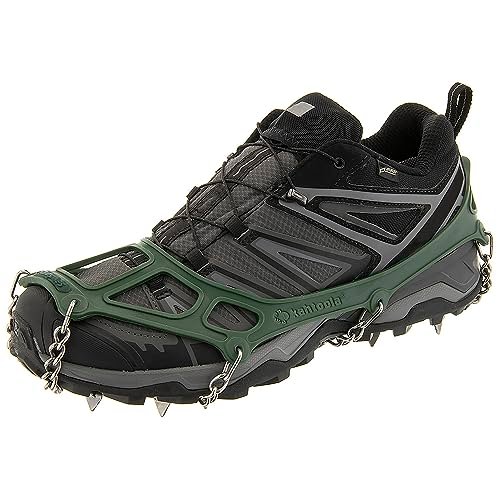
Hiking in early June, lingering snowfields near the pass can call for more than boots and poles. Most July and August hikers will not need them, so skip the extra weight outside that window. The Kahtoola MICROspikes is the site’s top overall pick when they are warranted.
Compare options: best microspikes for hiking.
Kit at a Glance
| Category | Our Pick | Why It Matters Here |
|---|---|---|
| Water treatment | Sawyer Squeeze | Light, proven, and the everyday system for a silty, non-potable river |
| Water backup | GRAYL GeoPress | Press purifier for hikers who want virus protection without clog worries |
| Sleeping bag | Kelty Cosmic Synthetic 20 Degree | Handles a genuinely wet trail; synthetic insulates even damp |
| Sleeping pad | Therm-a-Rest NeoAir XLite NXT | Wooden tent platforms pull heat fast; foam pads are not enough |
| Boots | Salomon X Ultra 5 Mid GTX | Ankle support for root-tangled rainforest and the boulder field alike |
| Socks | DANISH ENDURANCE Merino Wool Hiking Socks | Wet feet are guaranteed; dry spares prevent blisters and cold feet |
| Rain jacket | Patagonia Torrentshell 3L Rain Jacket | The trail’s own “stay dry” mandate; alpine weather at the pass is severe |
| Rain pants | Marmot PreCip Eco Rain Pant | Wet legs compound cold fast on the exposed summit push |
| Backpack | 50 to 70L, hip-belt load transfer (see best multi-day backpacks) | Carries three nights of gear comfortably up a 2,500 ft boulder climb |
| Shelter | Kelty Grand Mesa 2P | Pitches on wooden tent platforms without depending on stakes |
| Trekking poles | Black Diamond Alpine Carbon Cork | Boulder field, creek crossings, and the descent; use judiciously to limit erosion |
| Bear spray | SABRE Frontiersman MAX 7.9 oz | Black and grizzly bears present the entire route |
| Warm layer | The North Face ThermoBall Eco Jacket 2.0 | Closes the gap a rain shell cannot on cold camps and the pass |
| Headlamp | Black Diamond Spot 400-R | Pre-dawn starts for the summit push, dim rainforest canopy |
| Gaiters | Outdoor Research Crocodile GORE-TEX Gaiters | Keeps grit, mud, and creek splash out of boots on both trail halves |
| Navigation backup | Garmin eTrex 32x | Fog at the pass can hide trail markers along the old tram-cable route |
| Dry bag | Sea to Summit Lightweight Dry Sack 3-Piece Set | Protects the warm, dry gear that bridges a wet day and a cold camp |
What You Can Skip
Plenty of hikers carry weight up the Golden Stairs they never needed.
You do not need a four-season mountaineering tent. The weather here is cold, wet, and windy, not snow-loaded, in its normal June to August season, so a sturdy three-season freestanding tent is plenty.
You do not need heavy water capacity. The Taiya runs alongside the trail for its entire length, so there is no long dry stretch to plan around, unlike a desert trail. Treat what you find rather than hauling more than 2 to 3 litres at a time.
You do not need microspikes or an ice axe outside the early-season window. Adding them by default for a normal mid-June through August trip is dead weight on the Golden Stairs.
And you do not need brand-new boots. Parks Canada says it directly: do not break in new boots on this hike. A wide-brim hat and sunglasses are worth packing (both official sources list them), but neither earns a dedicated buying guide on a trail this shaded and foggy.
Renting vs Buying
Skagway-area outfitters offer package rentals built specifically for this trail, bundling a backpack, tent, and sleeping pad together, with add-ons like bear spray, trekking poles, and a handheld GPS. If this is a one-off trip and you do not already own cold-weather backpacking gear, renting the bulky, expensive items (pack, tent, sleeping system) and buying only what you will use again (boots, rain gear, socks) is a reasonable way to keep costs down. If you hike more than once every year or two, buying gear that handles wet, cold conditions pays off across other wet-climate trails.
Final Thoughts
The Chilkoot punishes gear that only accounts for one of its two personalities. Pack for the easy river valley and you will freeze and slip on the Golden Stairs. Pack only for the summit push and you will be miserably overloaded for three easy days first. Get the kit above right and the trail becomes what it actually is: a walk through a century of gold rush history, with one honest, demanding day in the middle.
When your kit is sorted, plan the route, permits, and border logistics with the full Chilkoot Trail guide, and back up your gear logic with multi-day hiking skills.
Frequently Asked Questions
Do I need a bear canister for the Chilkoot Trail?
No. Every official campground on the US and Canadian sides has bear lockers or bear poles for food storage, so a hard-sided canister is not required here, unlike Sierra Nevada trails such as the John Muir Trail. Bear spray is still strongly recommended for the trail itself.
Can I rent gear near the Chilkoot Trailhead?
Yes. Skagway-area outfitters offer trail-specific package rentals covering a backpack, tent, and sleeping pad, plus add-ons like bear spray and a handheld GPS. This is a reasonable option if you do not already own cold-weather backpacking gear and only plan to hike this trail once.
What’s the one item people underestimate on the Chilkoot Trail?
Rain pants. Hikers who skip them on drier trails often skip them here too, but Parks Canada’s own guidance leads with staying dry as the trail’s central goal, and wet legs on a cold, exposed summit day compound fast.
Do I need microspikes or an ice axe for the Chilkoot Trail?
Only for early-season hikes in June, when lingering snowfields near the pass can still be a factor. For the mid-June through August window most hikers use, standard boots, poles, and gaiters are enough.
