

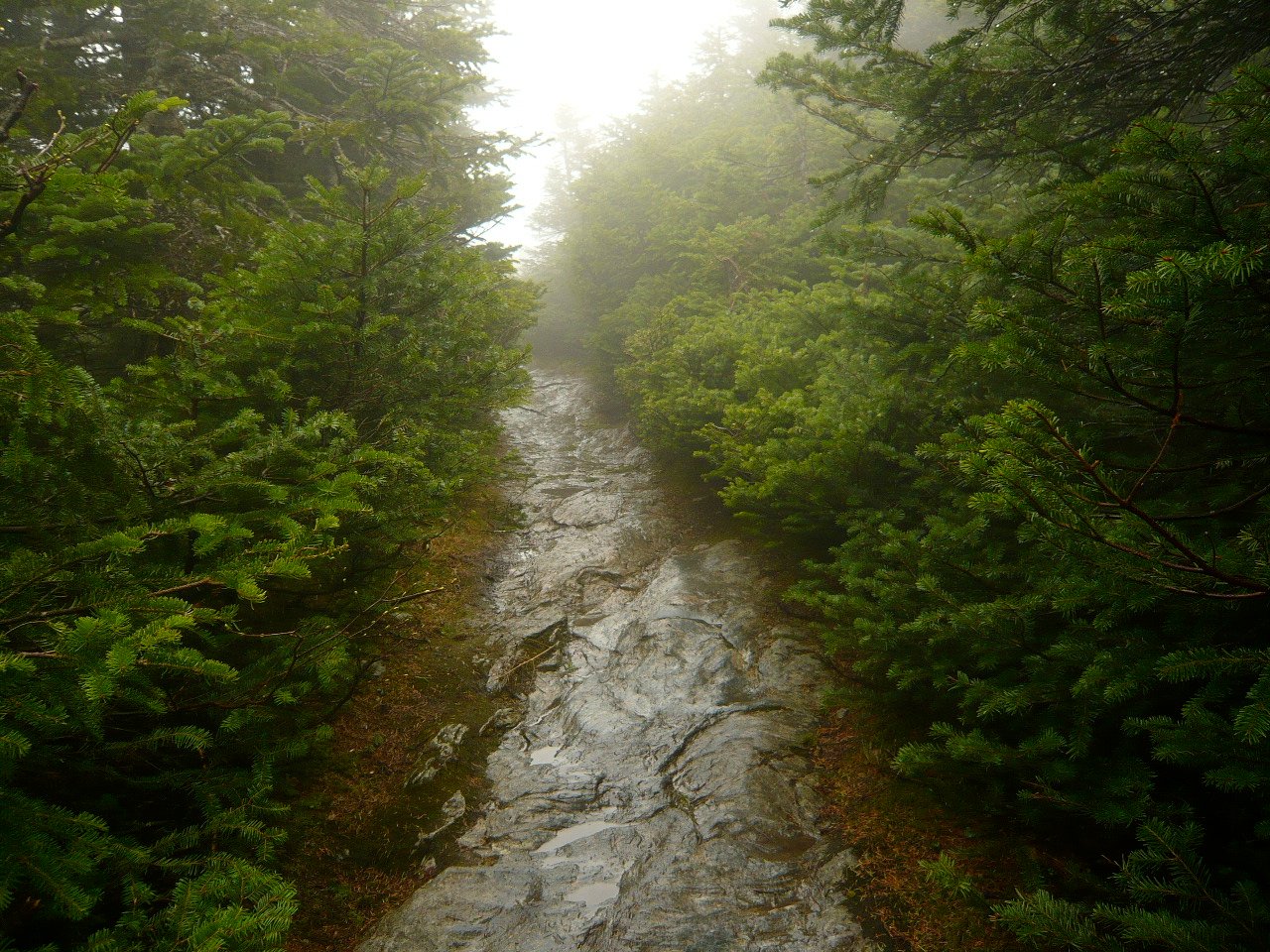
There is a point on the climb out of Lincoln Gap, below the summit of Mount Abraham, where the trees thin and the rock underfoot turns from dirt to bare stone. You come over the last pitch and the whole spine of the Green Mountains opens up, one of only five places in Vermont above 4,000 feet, genuinely alpine for a few hundred feet in every direction. Then the trail drops back into the trees, and you are back to roots, mud, and the next climb.
That switch, alpine ridge one hour, root-tangled forest the next, is the Long Trail in miniature. The three sections covered in our Long Trail guide, southern Vermont’s wilderness stretch, the Monroe Skyline ridgewalk, and the short alpine introduction over Mount Mansfield, each ask something different of your kit. What they share is footing that never really dries out and a food storage rule most hikers do not expect from a trail this far east.
This is what to pack for the Long Trail: the kit built for that reality, and why each piece earns its place. Still deciding whether to walk it? Start with the full Long Trail guide for the day-by-day route, trailheads, and logistics. For the system behind these picks, see Multi-Day Hiking Gear: What You Actually Need.
Conditions That Drive Your Kit
| Factor | Long Trail reality |
|---|---|
| Distance and duration | 11 to 35 miles per section, 2 to 4 days each, depending which of the three you pick |
| Best season | Late June to mid-October, after mud season closures lift and before the first hard frosts |
| Terrain | Rocky, rooty, often muddy; steep, direct climbs rather than switchbacks; alpine tundra on three summits |
| Temperature | Can swing roughly 5°F per 1,000 feet of elevation; frost is possible on exposed ridges even in summer |
| Water | Present throughout, but every source needs treatment, and some smaller sources run dry by late summer |
| Food storage | Bear-resistant storage is required by regulation through much of the trail’s central reaches |
Every pick below traces back to a line in this table. Full route, trailhead, and permit detail sits in the Long Trail guide.
How This Kit Is Built
This list is built from the Green Mountain Club’s own trip planning and end-to-end hiker guidance, plus an independent thru-hiker’s published gear breakdown from Treeline Review. Everything here earns its place against the three things the trail throws hardest at you: footing that stays wet and muddy for days, a bear food storage rule that catches hikers off guard, and mountain weather that changes faster than the forecast.
Footwear: Trail Runners Beat Boots on This Trail
This is where the Long Trail differs from most Wild Trails guides on this site. The trail is rocky, rooty, and often muddy for its entire length, and a waterproof boot that gets soaked through on day one just stays wet, since the same membrane that keeps water out also keeps it in. Green Mountain Club end-to-enders are blunt about it: wet feet are a given, socks are a luxury item you dry on your pack during the day, and shoes that drain and dry fast beat ones that try to stay dry and fail.
A breathable, non-waterproof shoe is the safer default. The Merrell Moab 3 low-cut hiking shoe drains well, dries fast between wet sections, and still protects a loaded pack’s worth of weight on rocky ground.
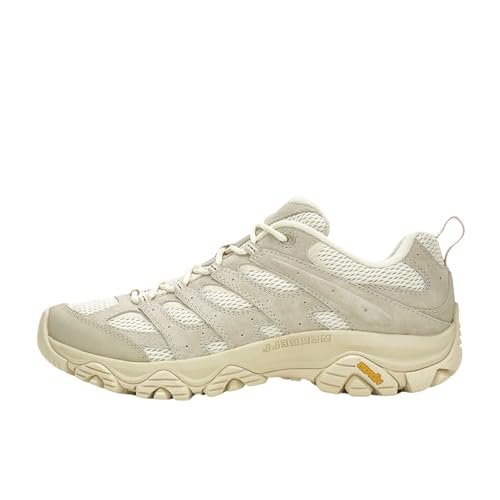
Compare the best breathable hiking shoes.
Want more ankle support for the steeper climbs off Harmon Hill or up Sunset Ridge on Mansfield? The Salomon X Ultra 5 Mid GTX is a solid step-up boot, just know that once its waterproof membrane is breached by a deep mud hole, it stays wetter for longer than a mesh shoe would.
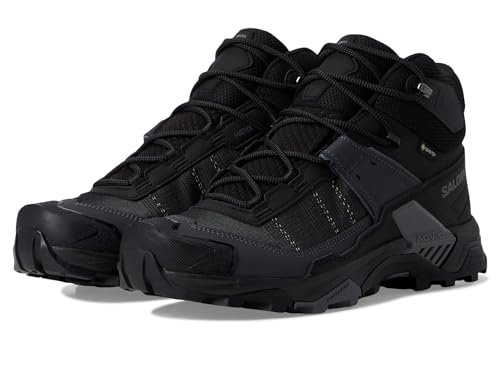
Compare the best waterproof hiking boots.
Pair either with a genuine merino sock and carry a dry spare. The DANISH ENDURANCE Merino Wool Hiking Socks manage moisture over consecutive wet days.
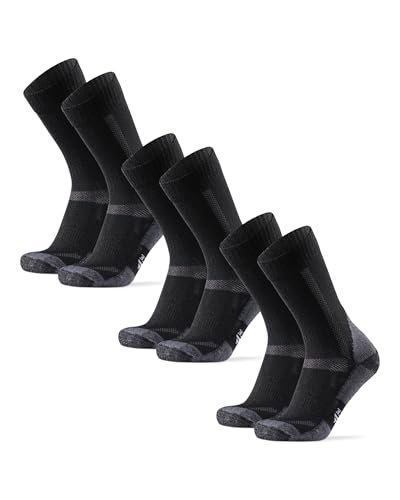
Compare the best hiking socks for preventing blisters.
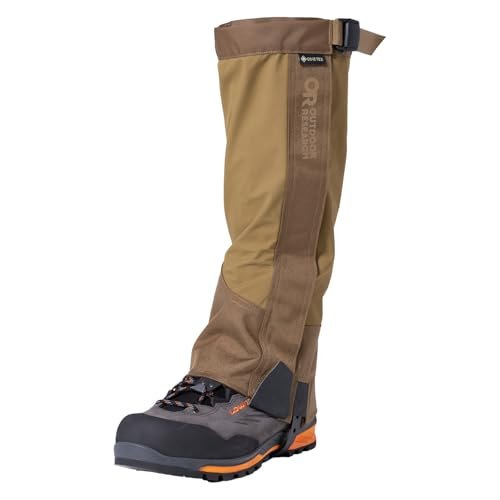
A waterproof gaiter earns its place too. The Outdoor Research Crocodile GORE-TEX Gaiters keep mud and wet leaves out of your shoes, and some end-to-enders wear knee-high gaiters instead of rain pants entirely, since pants alone tend to leave you sweatier than the rain would have.
Compare the best hiking gaiters.
Bear-Resistant Food Storage: Not Optional Trail-Wide
Black bears live along the entire Long Trail, and the Green Mountain National Forest, which covers a large stretch of the trail’s central reaches, has required a hard-sided bear canister, a food hang, or a campground bear box since 2019. Confirm the current rule for your section before you go. Either way, treat this as mandatory planning, not an afterthought.
Hanging food well here is genuinely harder than it sounds: dense hardwood on steep slopes makes a strong, high, far-enough branch a tiring search at the end of a long day, one experienced end-to-enders admit they get wrong as often as right.
That is why a hard-sided canister is the simplest, most fail-proof option. The BearVault BV500 is the standard pick: capacity for several days of food, a clear body so you can see what is left, and no technique required to use it correctly.
Some end-to-enders carry an Ursack-style soft-sided sack instead, lighter than a hard canister and useful when a hang is impractical. Confirm it satisfies your section’s posted rule first: official GMNF guidance names canisters, hangs, and bear boxes specifically. Not yet in our catalogue.
Rain Shell: Vermont Makes Its Own Weather
Vermont’s mountain weather does not wait for a forecast to catch up. Temperatures swing sharply with elevation, and a clear valley morning is no guarantee of a dry ridge by afternoon. Every source covering this trail treats a genuine rain shell as essential, not optional.
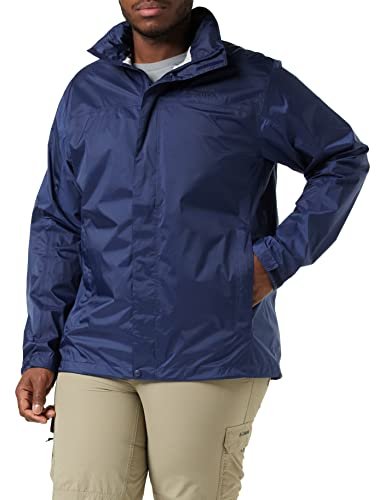
The Marmot PreCip Eco is the pick: a proven, fully seam-sealed waterproof shell with an adjustable hood, light enough to live in your pack all day and quick enough to reach for when the sky turns.
Compare the best lightweight hiking jackets.
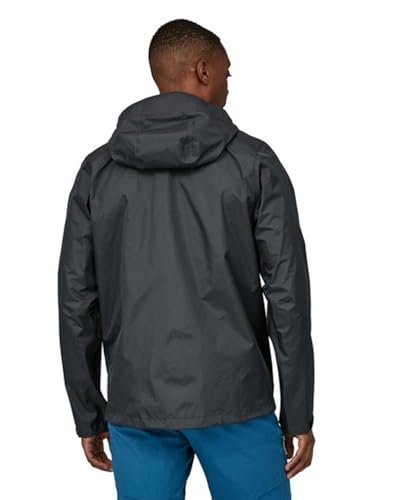
If you want more durability for repeat use, the Patagonia Torrentshell 3L is the step-up option.
Rain pants are optional here. Several end-to-enders skip them entirely: knee-high gaiters plus a good shell keep most of the wet out, and full rain pants can leave you sweatier than the rain would have.
The Rest of Your Kit
These categories are more straightforward, but each still earns its place on this trail.
Sleep System: Warm Ground, Cold Nights
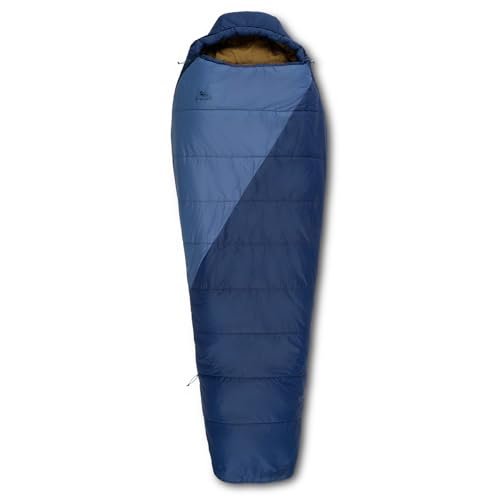
Elevation swings mean camp temperatures drop well below the valley forecast, and cold, wet ground pulls heat from underneath you. The Kelty Cosmic Synthetic 20 Degree sleeping bag gives real margin over a summer-only bag, and synthetic fill keeps insulating even if damp ground or condensation gets in.
Compare the best synthetic sleeping bags.
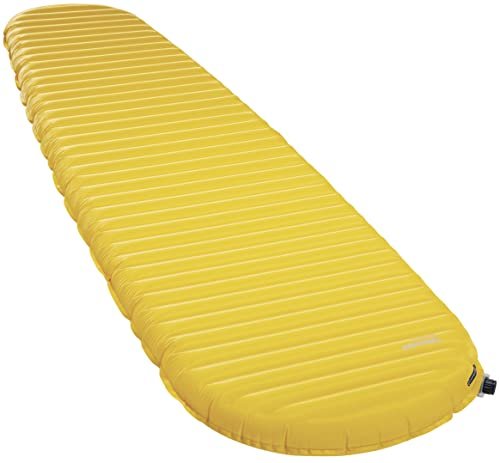
Pair it with a genuinely insulated pad. The Therm-a-Rest NeoAir XLite NXT, R-4.5, handles cold Green Mountain nights without winter-pad bulk.
Compare the best insulated sleeping pads.
Shelter
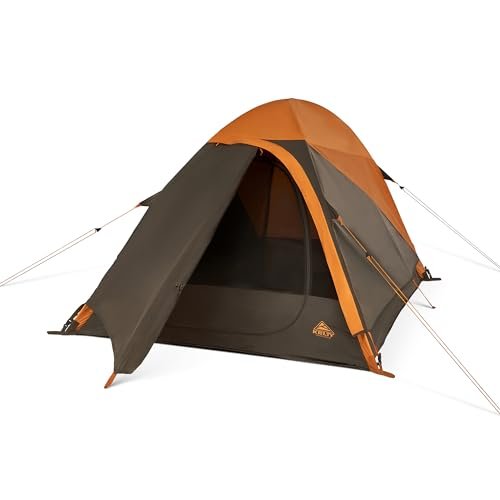
Bring a tent even if you plan to stay in Green Mountain Club shelters. They are first-come, first-served, and the popular ones near Camel’s Hump, Mount Mansfield, and Stratton Pond fill on summer weekends. The Kelty Grand Mesa 2P is a straightforward, freestanding tent that covers you either way.
Compare the best freestanding tents.
Backpack
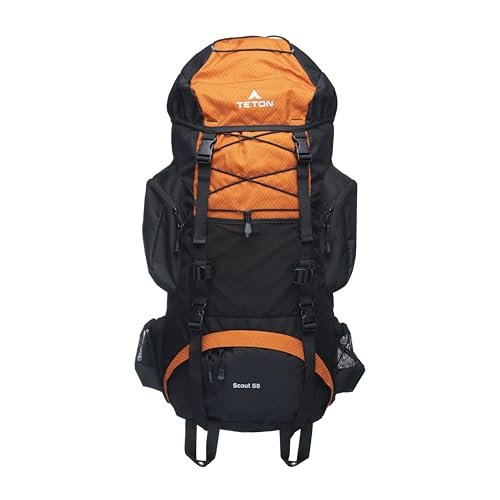
For a 2 to 4 day section, you do not need the 60 to 75L pack a full thru-hike calls for. A 50 to 55L pack with a rain cover carries a tent, bag, food, and layers comfortably. The TETON 55L Scout Internal Frame Backpack covers this without overbuying capacity you will not use.
Compare the best multi-day backpacks.
Trekking poles
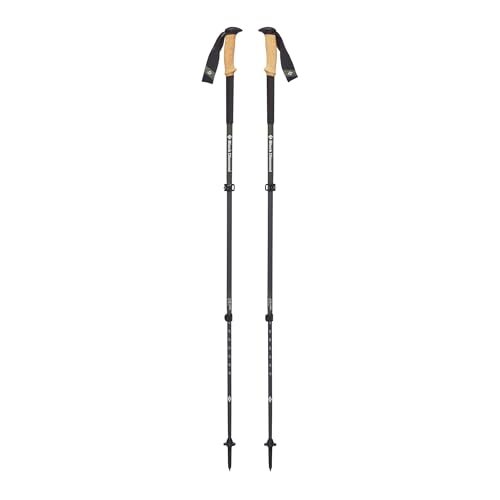
Steep, direct climbs and roots underfoot make poles genuinely useful, and every end-to-end hiker asked about them recommends a pair. The Black Diamond Alpine Carbon Cork holds up well over consecutive muddy days.
Compare the best trekking poles.
Water treatment and carry
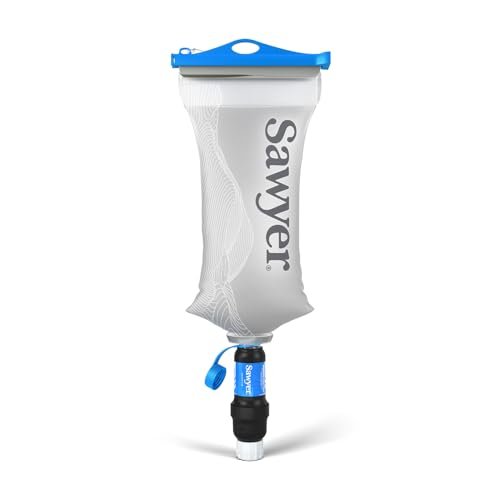
The trail is not especially dry, but not every source is reliable, and smaller ones run low by late summer. GMC’s own guidance is explicit that no water here is safe untreated. The Sawyer Squeeze is the practical standard: field-cleanable, reliable, and threads onto most bottles and bladders.
Compare the best water filters for hiking.
Carry at least 2 litres and a small collapsible bottle for longer gaps, particularly on the more remote southern Vermont section.
Insulated layer
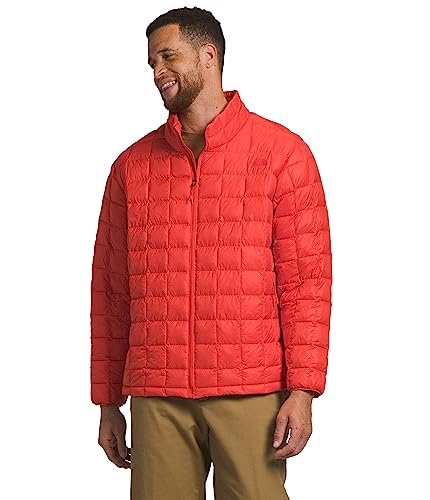
Exposed summits on Mansfield, Camel’s Hump, and Mount Abraham run noticeably colder than the valley floor, and mist or drizzle is realistic even in July. The North Face ThermoBall Eco Jacket 2.0 keeps insulating when damp, unlike a lighter down jacket that goes flat the moment it gets wet.
Compare the best insulated jackets for hiking.
Headlamp
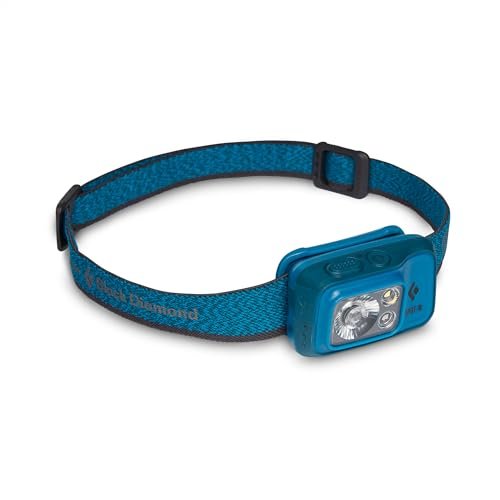
Fall sections mean fewer daylight hours, and a slow, muddy climb can put you on trail later than planned. The Black Diamond Spot 400-R is a reliable pick with a genuine waterproof rating.
Compare the best headlamps for hiking.
Dry bag
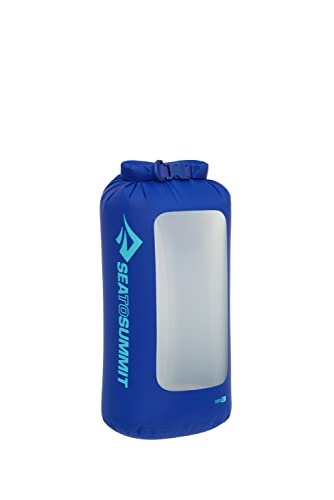
Abrasive mud, stream crossings, and genuine multi-day rain make a small dry bag worth the few extra grams for your phone and permit. The Sea to Summit View Dry Bag‘s clear window saves you digging around for your phone at a wet crossing.
Compare the best dry bags for hiking.
Extras: ticks, navigation, and sun
Ticks are present but manageable with a nightly check and permethrin-treated clothing. The trail is well blazed, so a phone loaded with an offline map (Far Out or Gaia GPS) is enough backup, and the Green Mountain Club’s own Long Trail Guide is the standard printed reference. Sun exposure is lower here than most trails in this guide’s queue: a cap and sunscreen cover it.
Kit at a Glance
| Category | Our Pick | Why It Matters Here |
|---|---|---|
| Footwear | Merrell Moab 3 | Drains and dries fast on a trail that stays muddy for days |
| Bear-resistant storage | BearVault BV500 | Required by regulation through much of the trail; hangs are genuinely hard here |
| Rain shell | Marmot PreCip Eco | Vermont ridge weather turns fast, with no reliable forecast lead time |
| Sleeping bag | Kelty Cosmic Synthetic 20 Degree | Margin for cold camps at elevation; synthetic handles damp ground |
| Sleeping pad | Therm-a-Rest NeoAir XLite NXT | R-4.5 keeps cold ground from undoing a warm bag |
| Shelter | Kelty Grand Mesa 2P | First-come, first-served shelters fill fast in peak season |
| Backpack | TETON 55L Scout | Right size for a 2 to 4 day section, no need for full thru-hike capacity |
| Trekking poles | Black Diamond Alpine Carbon Cork | Steep, direct climbs and constant roots underfoot |
| Water filter | Sawyer Squeeze | No water source on the trail is safe to drink untreated |
| Gaiters | Outdoor Research Crocodile GORE-TEX | Keeps mud and wet leaves out; doubles as rain-pants alternative |
What You Can Skip
The Long Trail rewards a lighter pack more than it punishes a heavier one, but a few over-packing habits are worth dropping.
You do not need rain pants if you already carry knee-high gaiters and a solid shell. Several experienced end-to-enders skip them entirely, reporting more sweat inside rain pants than the rain itself would have soaked in.
You do not need a desert-style two-day water carry. The Long Trail is not known for being especially dry, so plan around the occasional longer gap rather than hauling maximum capacity the whole way. And you do not need winter-rated gear for a late June through mid-October hike in a normal season, that is a different trip with a different risk profile.
Brand-new boots or a shell straight out of the packaging are a bad idea here too. Wet feet and sudden weather are already the trail’s default; do not add an untested blister or a leaking seam on top of them.
Final Thoughts
The Long Trail asks less of your schedule than most American long-distance trails and gives back real, quiet mountain country for it, provided your kit respects the mud, the food storage rule, and weather that changes without warning. When your gear is sorted, plan the route and trailheads with the full Long Trail guide, and back up your gear logic with Multi-Day Hiking Gear: What You Actually Need. For another Northeastern trail with its own above-treeline demands, see What to Pack for the Presidential Traverse.
Frequently Asked Questions
Do I need a bear canister for the Long Trail?
Through much of the trail’s central reaches, the Green Mountain National Forest has required a hard-sided canister, a food hang, or a campground bear box since 2019. Confirm the current rule for your section, but plan on bear-resistant storage regardless: black bears are active trail-wide, and a proper hang is genuinely difficult in the dense, steep hardwood forest that covers most of the route.
Trail runners or hiking boots for the Long Trail?
Trail runners or a breathable, non-waterproof hiking shoe are the better default. The trail stays wet and muddy for days at a time, and a waterproof boot that gets soaked stays wet longer than a mesh shoe that drains and dries. For more ankle support on the steeper sections, a non-waterproof, breathable boot is a reasonable middle ground.
What is the one thing people forget to pack for the Long Trail?
A genuine plan for bear-resistant food storage. Hikers focus on the rain jacket and the boots and assume a bear bag hung from a tree branch will do, then find the terrain makes a proper hang hard to pull off at the end of a tiring day. Sort your canister or Ursack before you leave, not on night one.
Can I rent gear near the Long Trail’s trailheads?
Not in the way you can near some guided international trails. Burlington’s Outdoor Gear Exchange is a well-stocked outfitter near the Mansfield and Monroe Skyline trailheads for a last-minute buy, but it is a retailer, not a dedicated rental operation. Plan to arrive with your own kit.
