

Last updated: September 2026
Wild Trail Hiker is reader-supported. We may earn a commission when you buy through links on this page, at no extra cost to you. We only recommend gear we’d take on a multi-day trip ourselves.
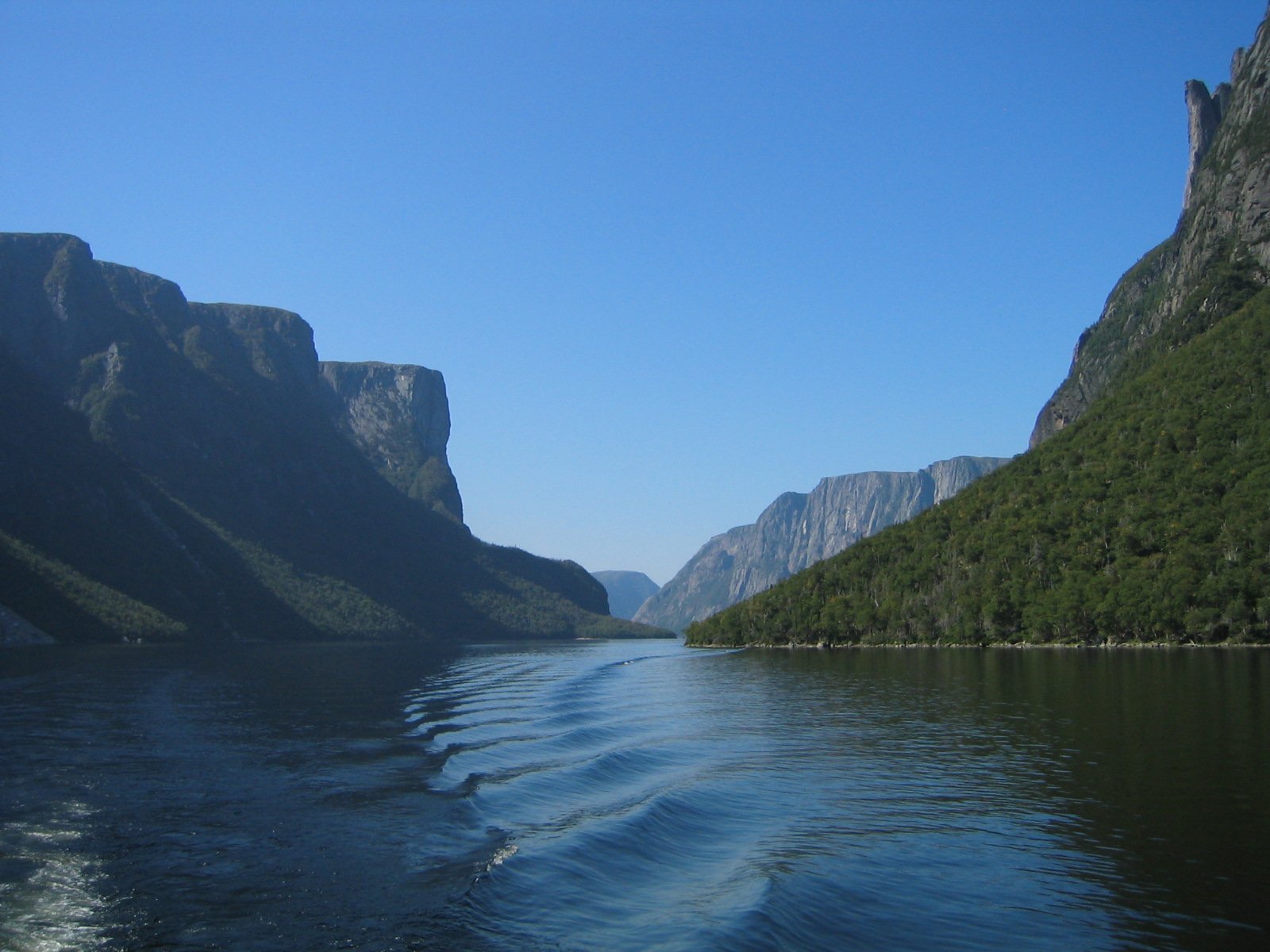
There is a point on Day 1 of the Long Range Traverse, somewhere in the boulder-choked gorge above Western Brook Pond, where the maintained world stops. No tread, no blazes, no cairns, just a compass bearing and a plateau of tundra and ponds stretching ahead. Clear the climb and the reward is immediate: an arctic-alpine landscape few hikers in eastern North America ever see, moose grazing below the ridgeline, and a full day where the only other people you might meet are the group who started the day before you.
This Long Range Traverse packing list is built for that reality. Parks Canada will not hand you a permit without an orientation briefing, because getting lost in fog on this unmarked plateau is a real risk. There is no cell coverage anywhere on the route and no rescue nearby. What follows is what to pack for the Long Range Traverse specifically, not a generic checklist: the gear this off-trail, weather-exposed crossing actually demands, and why each piece earns its place.
Still deciding whether to walk it? Start with the full Long Range Traverse guide for the day-by-day route, permits, and logistics. For the broader kit logic behind these picks, see multi-day hiking gear: what you actually need.
Conditions That Drive Your Kit
| Factor | Long Range Traverse reality |
|---|---|
| Distance and duration | About 35 km core route, 3 to 5 days, most hikers take 4 |
| Best season | Late June to September only; the park sets the exact open and close dates |
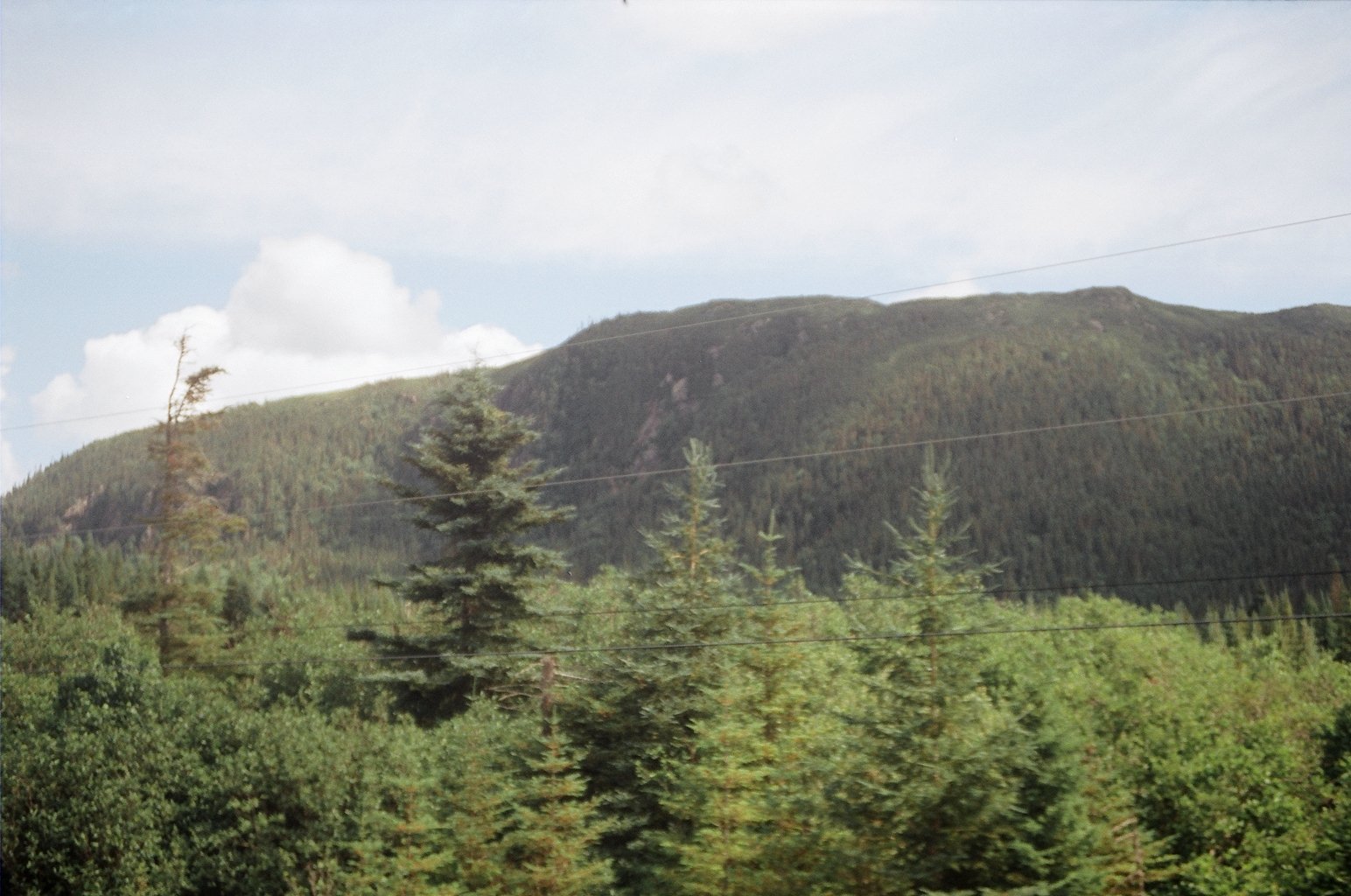
| Terrain | Entirely off-trail on the plateau: boulder fields, bog, tuckamore thickets, a steep unmaintained gorge climb and descent |
| Weather | Highly changeable even in peak summer; wind, rain, and fog can close in within minutes |
| Water | Ponds and streams throughout, but no source is confirmed safe to drink untreated |
| Remoteness | Zero cell coverage anywhere on the route; food storage lockers provided at all six designated campsites |
Every pick below traces back to a line in this table. Full route, permit, and transport detail sits in the Long Range Traverse guide.
How This Kit Is Built
Everything here earns its place against the three things the Long Range Traverse throws hardest at you: navigating an unmarked route, staying warm and dry through fast-changing plateau weather, and covering rough off-trail ground without a blown ankle or a soaked pack. Built from Parks Canada’s own route and orientation guidance, the packing standards independent hikers who have completed the traverse actually use, and cross-checked against gear-review authorities, not from what’s easiest to sell.
Navigation and Emergency Communication
Nothing on this list matters more. There is no trail tread on the plateau, and Parks Canada’s mandatory orientation exists because fog can turn straightforward terrain into a genuine navigation problem within minutes. You need a topographic map, a compass, and real proficiency with both as your primary system, not a backup.
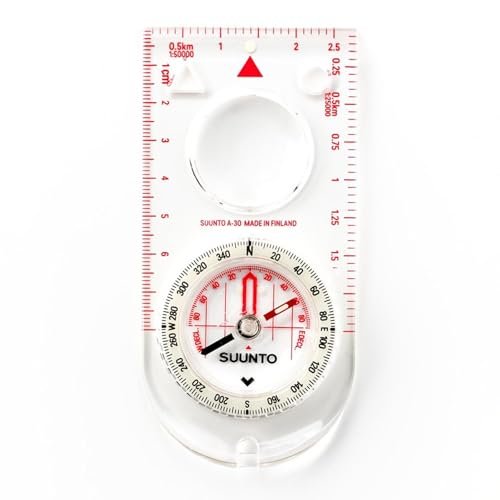
For the compass, the Suunto A-30 NH USGS Compass is a dependable baseplate design with a clear dial, exactly the tool for the bearing-and-terrain-matching work this traverse demands. Compare the full range in best hiking compasses.
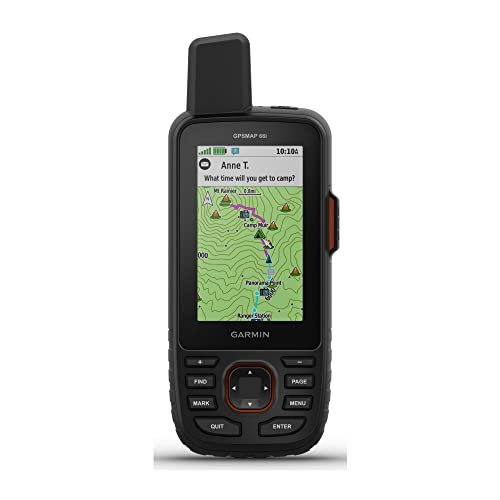
Pair it with a GPS and satellite communicator as your second layer. The Garmin GPSMAP 66i combines full topographic mapping with an inReach satellite communicator and SOS in one unit, which matters with zero cell coverage in either direction.
Want something smaller? The Garmin inReach Mini 2 covers the same SOS and two-way messaging in a lighter package, paired with your phone for mapping. See best hiking GPS devices. A standalone personal locator beacon with no subscription is a valid lower-cost alternative if you don’t need mapping or messaging.
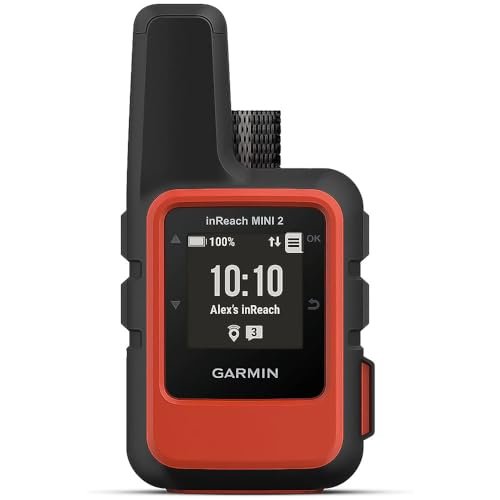
Failure mode if you get this wrong: a missed bearing in fog on the Day 3 plateau crossing, the traverse’s longest and most remote stretch, with no trail to backtrack to and no signal to call for help.
Sleep System for Cold, Hard Ground
Nights on the plateau run cold even in the July and August peak, and wind strips heat fast on exposed ground. Underpack the sleep system and you feel it at 3am, not on the trail.
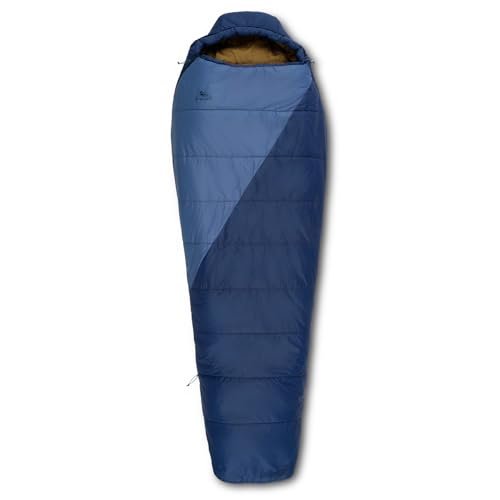
For the bag, the Kelty Cosmic Synthetic 20 Degree gives real margin for a damp, changeable climate: synthetic fill keeps insulating even if fog or a wet pitch gets it damp, which a down bag will not. Compare options in best synthetic sleeping bags.
The mat matters just as much. Ground on the plateau is hard, rocky, and often boggy, and it pulls heat out of you fast. The Therm-a-Rest NeoAir XLite NXT, rated to R-value 4.5, is the benchmark insulated inflatable pad for exactly this kind of cold-ground camping and packs down small enough for a multi-day carry. Carry a patch kit regardless of which pad you choose; boulder-field camps are unforgiving on an air mat. See best insulated sleeping pads for hiking.
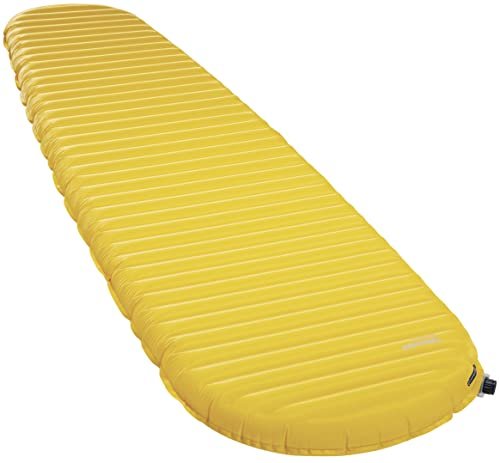
Failure mode if you get this wrong: a foam or uninsulated pad on a frost night at Ferry Gulch, the last and most exposed camp before the Day 4 descent.
Footwear and Bog Protection
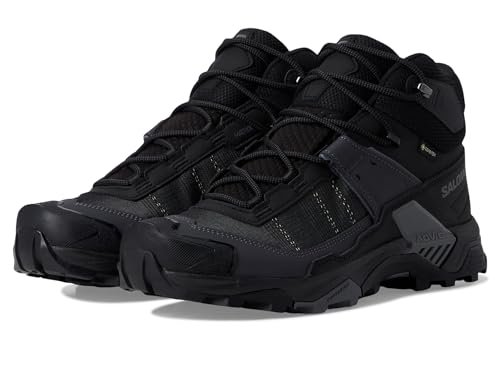
Boots do double duty here: ankle support for boulder fields and the gorge climb and gulch descent, and enough waterproofing for ground that swallows a boot to the ankle in places. The Salomon X Ultra 5 Mid GTX gives you both without the bulk of a mountaineering boot. Break it in well before you fly to Deer Lake. See best waterproof hiking boots.
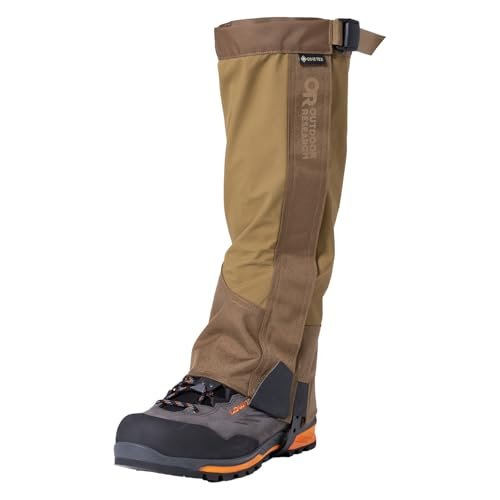
Gaiters are not optional here. Tuckamore thickets, bog, and loose boulder fields will fill an open boot top all day without them. The Outdoor Research Crocodile GORE-TEX Gaiters are a genuinely waterproof, durable pick for this ground. See best hiking gaiters. Pack a dry spare pair of merino socks too; wet feet become a blister problem fast.
Failure mode if you get this wrong: a boot full of bog water and grit on Day 2’s tuckamore detours, with no way to dry out until camp.
Rain and Wind Shell
Wind, rain, and fog are common on the exposed plateau, and conditions can shift inside an hour. This is not gear you pack “just in case,” it is gear you will use.
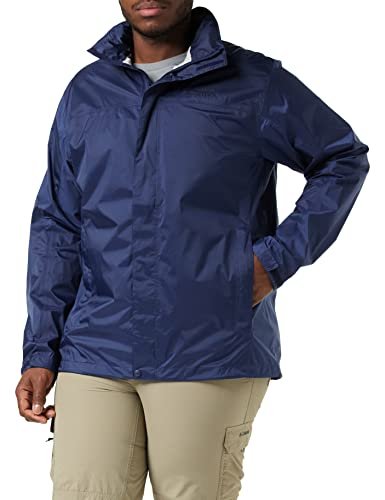
The Marmot PreCip Eco Jacket is a proven, genuinely waterproof shell with pit zips, at a sensible weight for a multi-day carry. See best lightweight hiking jackets.
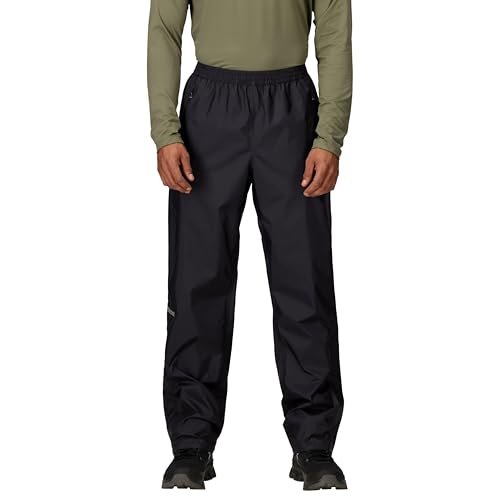
Pair it with the Marmot PreCip Eco Rain Pant for full coverage on the exposed Day 3 crossing, where there is no tree cover to shelter under. See best rain pants for hiking.
Failure mode if you get this wrong: wind-driven rain on the open Green Island Ponds stretch of Day 3, hours from the nearest shelter in either direction.
The Rest of Your Kit
These categories matter less than the four above, but each still earns its place on this trail.
Backpack
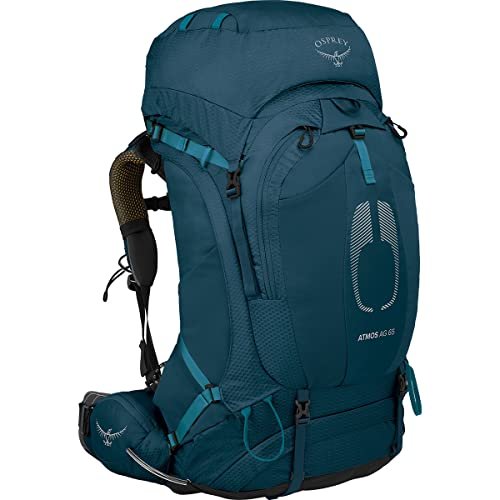
Add three to five days of camp gear to a pack that also has to survive a hands-on-boulders gorge climb, and a weak suspension becomes a shoulder problem exactly where the ground is roughest. The Osprey Atmos AG 65 transfers real weight onto your hips through its Anti-Gravity mesh backpanel, rated to 40 lb, suited to this technical carry. See best internal frame backpacks.
Shelter
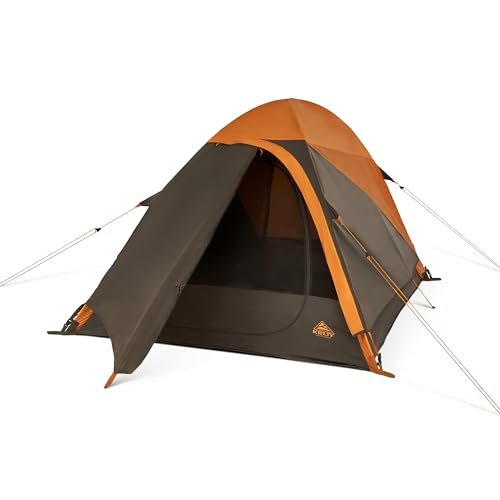
Plateau camps are exposed, and pegs do not always bite in rocky or boggy ground. A freestanding tent like the Kelty Grand Mesa 2P stands up without relying on stakes and pitches quickly after a long day. For extra margin against sustained wind, a dedicated storm-rated tent is worth the upgrade, covered in best freestanding tents. Bring a footprint either way.
Trekking Poles
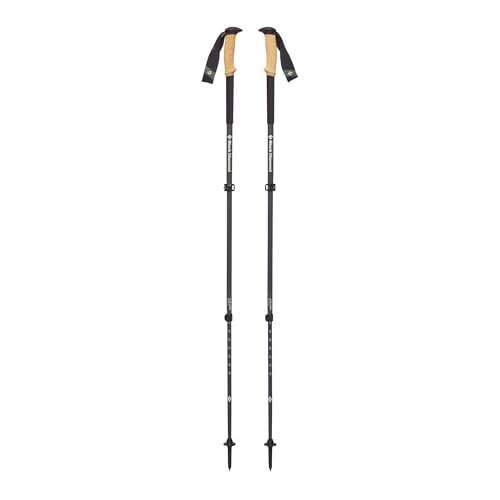
Genuinely useful for balance on the boulder fields and the steep, often muddy Day 1 and Day 4 climbs and descents. The Black Diamond Alpine Carbon Cork is durable and comfortable over a multi-day carry. Compare the best trekking poles.
Water Treatment
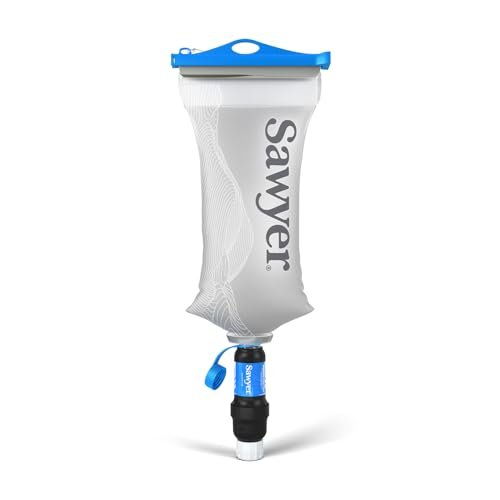
Ponds and streams are frequent, but no official guidance states any source on the plateau is safe to drink untreated. The Sawyer Squeeze is reliable, field-cleanable, and light enough to carry without a second thought. Compare the best water filters for hiking.
Warm Camp Layer
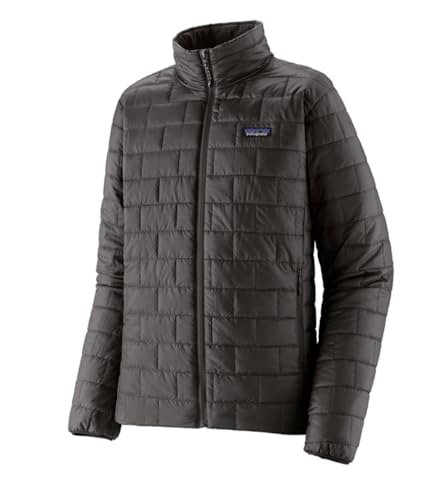
Once the sun drops and the wind picks up, an insulated layer is the difference between an enjoyable camp evening and huddling in your sleeping bag at 6pm. The Patagonia Nano Puff Jacket is a proven synthetic puffy that keeps warming even if it gets damp, which matters in a climate this changeable. See best insulated jackets for hiking.
Bear Spray
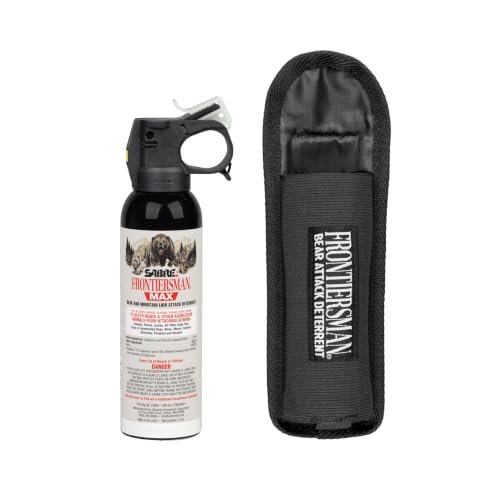
Black bears are present throughout the park, and while close encounters are uncommon, carrying bear spray is standard practice. The SABRE Frontiersman MAX 7.9 oz is a genuine bear-spray formulation with a strong range claim. Compare the best bear sprays. Food storage lockers are provided at all six designated campsites, so you do not need a bear canister on this route, just use the lockers rather than hanging food.
Headlamp
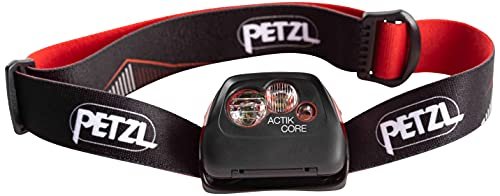
For early starts, camp chores, and a pre-dawn push for first light on Gros Morne Mountain. The Petzl Actik Core runs on a rechargeable pack or three AAAs, useful with nowhere on route to recharge anything. See best headlamps for hiking.
Kit at a Glance
| Category | Our Pick | Why It Matters Here |
|---|---|---|
| Compass | Suunto A-30 NH USGS Compass | Primary navigation tool on a route with no marked trail |
| GPS / satellite communicator | Garmin GPSMAP 66i | Mapping plus SOS in one unit, zero cell coverage on route |
| Sleeping bag | Kelty Cosmic Synthetic 20 Degree | Synthetic fill keeps insulating if damp from fog or a wet pitch |
| Sleeping pad | Therm-a-Rest NeoAir XLite NXT | R-value 4.5 for cold, hard plateau ground |
| Boots | Salomon X Ultra 5 Mid GTX | Ankle support and waterproofing for boulder fields and bog |
| Gaiters | Outdoor Research Crocodile GORE-TEX | Keeps tuckamore, bog, and boulder debris out of your boots |
| Rain jacket | Marmot PreCip Eco Jacket | Genuinely waterproof shell for fast-moving plateau weather |
| Rain pants | Marmot PreCip Eco Rain Pant | Full coverage on the exposed, treeless Day 3 crossing |
| Backpack | Osprey Atmos AG 65 | Real hip-belt load transfer for the gorge climb and boulder carry |
| Shelter | Kelty Grand Mesa 2P | Freestanding for rocky, hard-to-peg plateau camps |
| Trekking poles | Black Diamond Alpine Carbon Cork | Balance on boulder fields and steep climbs and descents |
| Water filter | Sawyer Squeeze | No pond or stream on route is confirmed safe untreated |
| Insulated jacket | Patagonia Nano Puff Jacket | Warm camp layer once wind picks up after sundown |
| Bear spray | SABRE Frontiersman MAX 7.9 oz | Standard precaution given the park’s black bear population |
| Headlamp | Petzl Actik Core | Flexible power source with nowhere on route to recharge |
What You Can Skip / Over-Packing Traps
A hard-sided bear canister. Every designated campsite has a food storage locker provided by Parks Canada, so a canister is dead weight on a trip where every kilogram counts on the gorge climb.
A four-season mountaineering tent. Wind and rain are the issue here, not snow loading, so a sturdy three-season freestanding tent does the job without the extra weight and cost.
A full change of clothes for every day. You’re off-trail and away from laundry regardless. Pack for layering and drying overnight, not a fresh outfit each morning.
Cotton anything. It holds moisture and offers no insulation when wet, exactly the wrong properties for a climate where fog and rain move in fast. Wool or synthetic, always.
And do not bring gear you have never used. This is the wrong trip to debut a stiff new boot or an unfamiliar compass. Walk in your kit at home first.
Renting Gear Near Gros Morne
Rocky Harbour is set up for guided day tours and boat trips, but no confirmed multi-day backcountry rental operation serves the trailheads directly. If you need to rent a satellite communicator or camping gear, contact the Gros Morne Visitor Centre ahead of time to confirm current options.
Final Thoughts
If you’re wondering what to pack for the Long Range Traverse and nothing else, start with navigation: it asks more of you than most trails on this site, because the margin for a bad call is genuinely thinner here than on a marked trail. Get navigation, warmth, and rain protection right and the rest falls into place around it. For the full route, permits, and day-by-day breakdown, see the Long Range Traverse guide, and back up your kit logic with multi-day hiking gear: what you actually need. For another remote, navigation-heavy Canadian trail, see our Chilkoot Trail guide.
Frequently Asked Questions
Do I need a satellite communicator for the Long Range Traverse?
Yes, in practice. There is no cell coverage anywhere on the route, and Parks Canada’s own orientation process is built around the assumption that hikers can navigate and, if needed, call for help without a phone signal. A GPS unit with built-in satellite messaging, or a standalone personal locator beacon, is the only reliable way to reach help in an emergency.
Do I need a bear canister for this trail?
No. Parks Canada provides a food storage locker at each of the six designated backcountry campsites, so a hard-sided canister is unnecessary weight. Use the lockers rather than hanging food or leaving it in your tent.
How cold does it get at night on the plateau?
Cold enough that a summer-only bag is a mistake, even in July and August. Wind on the exposed plateau makes it feel colder still. A bag rated around 20°F (roughly -6°C) paired with an insulated sleeping pad is the safer margin for this trail.
Can I rent gear near the trailhead instead of buying it?
Not reliably. No confirmed multi-day backcountry rental operation serves the Long Range Traverse trailheads directly, so plan to arrive with your own kit rather than expect to fill gaps locally in Rocky Harbour or Deer Lake.
What’s the one thing people forget to pack?
Gaiters. Hikers plan for the boots and the rain shell and then get caught out by how much bog, tuckamore, and loose scree work its way into an open boot top across a full off-trail day.
