

Last updated: August 2026
Wild Trail Hiker is reader-supported. We may earn a commission when you buy through links on this page, at no extra cost to you. We only recommend gear we’d take on a multi-day trip ourselves.
There is a stretch of the Pacific Crest Trail in Washington’s Goat Rocks Wilderness called the Knife’s Edge, a narrow volcanic ridge with nothing but sky on either side for close to a mile, and on a clear day it is one of the best pieces of trail in the country. There is another stretch in Southern California where the PCT climbs out of true desert into pine forest within a few thousand feet, and another in Central Oregon threading between three volcanoes through fields of black obsidian glass. None of them require a thru-hike to reach.
That range is also the challenge for a kit list. A plan built for one of these sections does not automatically work for the other two. San Jacinto starts in genuine desert heat. Three Sisters has a real mosquito season and a real dry stretch depending on when you go. Goat Rocks is the coldest and most exposed of the three, even in August. This guide covers what to pack for the Pacific Crest Trail’s best multi-day sections honestly: a shared core that works everywhere, plus the specific calls that change section to section.
Still deciding whether to walk one of these? Start with the full Pacific Crest Trail best sections guide for routes, permits, and day-by-day detail. For the thinking behind these gear choices more broadly, see multi-day hiking gear: what you actually need.
Conditions That Drive Your Kit
| Factor | San Jacinto Wilderness | Three Sisters Wilderness | Goat Rocks Wilderness |
|---|---|---|---|
| Distance / duration | ~20 mi, 3 days | ~19 mi, 3 days | ~27 mi, 4 days |
| Season | Late spring to fall | Mid-July to mid-October | Mid-July to September |
| Terrain | Rocky, exposed ridge (Fuller Ridge) | Volcanic, forest and open meadow | Scree, exposed alpine ridge (Knife’s Edge) |
| Water | Thin by late summer, carry for dry stretches | Generally reliable but thins by late September | Most reliable of the three, none on the ridge itself |
| Remoteness | Two-vehicle or shuttle, no scheduled transport | Two-vehicle or shuttle, no scheduled transport | Two-vehicle or shuttle, no scheduled transport |
All three are point-to-point with no scheduled public transport at either end, which is a logistics fact more than a gear one. Full route and permit detail sits in the destination guide; every gear call below traces back to a line in this table.
How This Kit Is Built
This list starts from the Pacific Crest Trail Association’s own Ten Essential Systems guidance, cross-checked against independent trip reports for each section and general PCT section-hiker packing consensus (REI, Treeline Review, Halfway Anywhere). It is built for what these three stretches actually demand, not a generic three-day trip. Three things drive most of the calls below: carrying enough water through dry stretches, staying warm on ridges colder than the trailheads suggest, and keeping your footing on loose rock. See the Pacific Crest Trail Association’s own gear and Ten Essentials guidance for the source of that baseline.
The Kit, by Category
Water treatment and carry
Water is the category with the most section-to-section variation. San Jacinto’s stretch from Wellman Divide across Fuller Ridge can run dry by late summer. Three Sisters is generally reliable in mid-summer but thins by late September. Goat Rocks is the most water-rich of the three, but the Knife’s Edge traverse itself has none, so you fill up before starting it.
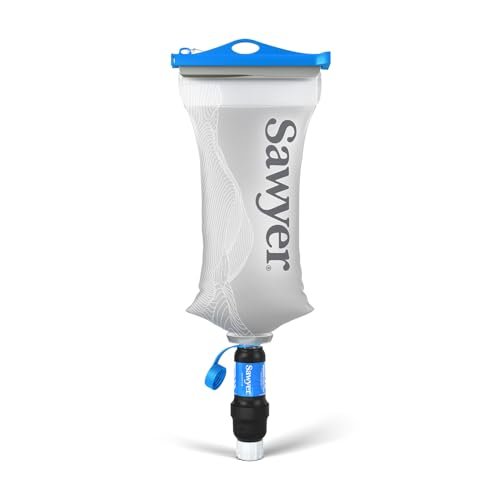
For treatment, the Sawyer Squeeze covers all three sections well: it threads onto standard bottles and bladders, holds up over repeated use, and packs down small enough that carrying it is never a real cost.
Compare the best water filters for hiking.
Capacity matters as much as treatment. Plan for the longest dry stretch on your chosen section, not the average day: 2 to 3 litres of bladder capacity plus soft-bottle capacity to reach 4 to 6 litres total is a reasonable minimum for San Jacinto or late-season Three Sisters. Goat Rocks needs less carry capacity day to day, but you still want enough to cross the Knife’s Edge dry.
Footwear
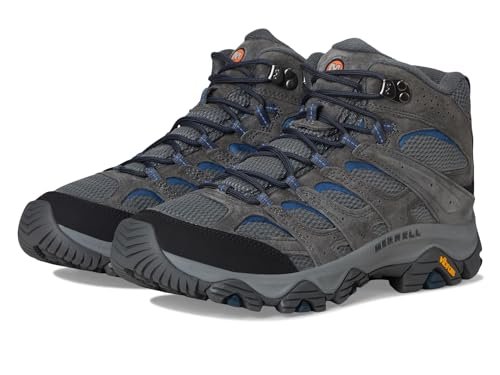
Fuller Ridge’s rocky descent and the scree on Old Snowy’s shoulder in Goat Rocks both punish weak ankles and worn-out tread. A sturdy, broken-in boot with a durable sole and real ankle support is the safer default across all three sections. The Merrell Moab 3 Mid is a dependable pick: forgiving fit, Vibram grip, and enough structure to hold up over consecutive long days without a punishing break-in.
Compare the best hiking boots.
Experienced section hikers who favour trail runners for weight savings can make that call too, especially on the gentler Three Sisters terrain, but treat ankle support as the safer choice on Goat Rocks scree and the Fuller Ridge descent. Whichever you choose, wear it in well before you fly out. New footwear on day two of a shuttle-only hike is a mistake you do not want to make.
Warm and insulating layer
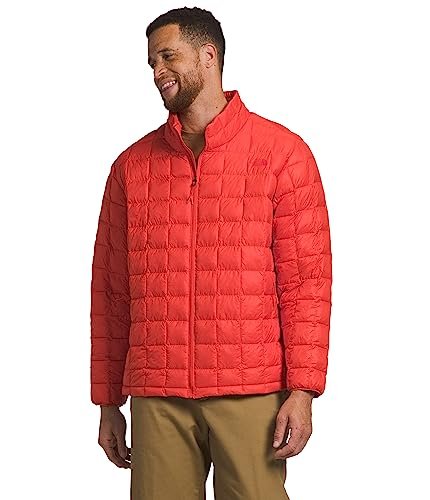
This is the one hikers most consistently underpack for. Fuller Ridge and the Knife’s Edge are both genuinely cold and exposed, even when the trailheads are warm, and Goat Rocks in particular sees fast weather changes even in August. The North Face ThermoBall Eco Jacket 2.0 is the safer all-round pick: its synthetic insulation keeps working when damp from sweat, dew, or a passing shower, which matters more on an exposed ridge than a marginally better warmth-to-weight number.
Compare the best insulated jackets for hiking.
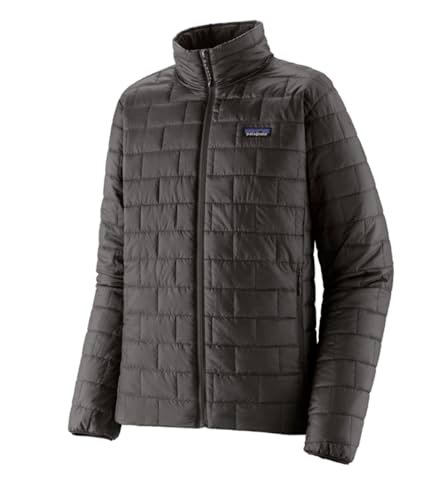
If you already own a quality down jacket and want the warmth-to-weight edge, the Patagonia Nano Puff is the benchmark alternative, just keep it dry, since down loses insulating power fast when wet.
Add a beanie and light gloves for pre-dawn starts on any of the three, they weigh almost nothing and you will reach for them more than you expect.
Wind and rain shell
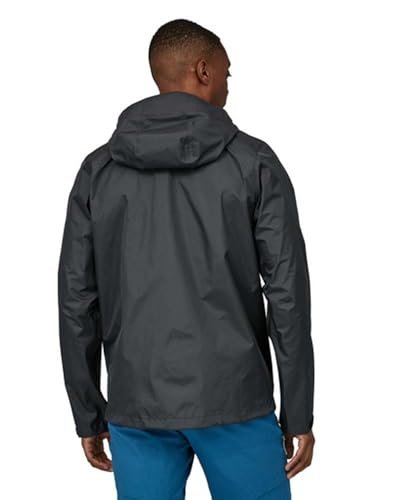
A separate wind or hard shell, not just an insulated layer, matters most on the fully exposed ridge walking of the Knife’s Edge and Fuller Ridge, where there is no tree cover to cut the wind. The Patagonia Torrentshell 3L Rain Jacket is a strong fit here: proper 3-layer protection built for real weather, not just a light emergency layer, which is what a fast-changing Cascade storm on the Knife’s Edge actually calls for.
Compare the best lightweight hiking jackets.
Trekking poles
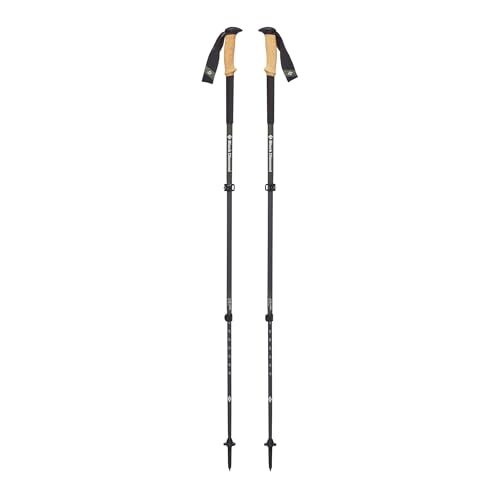
All three sections carry sustained elevation change, and the scree on Old Snowy’s shoulder plus the descent off Fuller Ridge both reward the extra stability poles give you. The Black Diamond Alpine Carbon Cork is a durable, comfortable choice for a multi-day carry.
Compare the best trekking poles.
Backpack
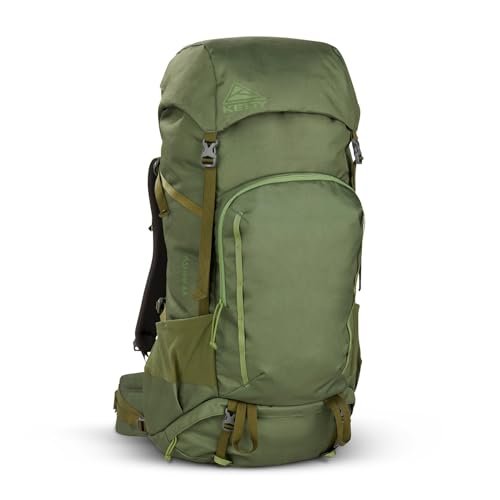
Three to four days of food, water capacity for the driest stretch on your chosen section, and a sleep system add up fast. The Kelty Asher 65L is sized right for this: enough capacity for a multi-day carry without tempting you to overfill it, and a hip belt that actually moves load off your shoulders on the longer climbs.
Compare the best internal frame backpacks.
Shelter
Exposed alpine camps in Goat Rocks and windy ridgelines on Fuller Ridge both favour a freestanding tent over one that depends on perfect stakes in hard or rocky ground. The Kelty Grand Mesa 2P stands up on its own where pegs will not bite and vents well against condensation.
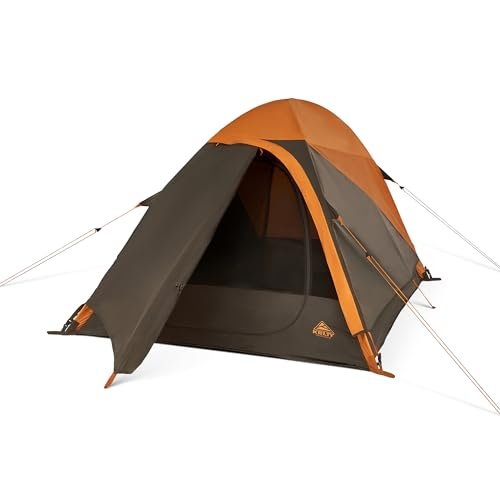
Compare the best freestanding tents.
Sleep system
Nights drop cold on all three sections, and Goat Rocks and the higher stretches of Fuller Ridge are the coldest. A three-season synthetic bag like the Kelty Cosmic Synthetic 20 Degree gives you a real margin without the weight or price of a winter-rated bag, and synthetic fill keeps insulating if it picks up damp from dew or condensation.
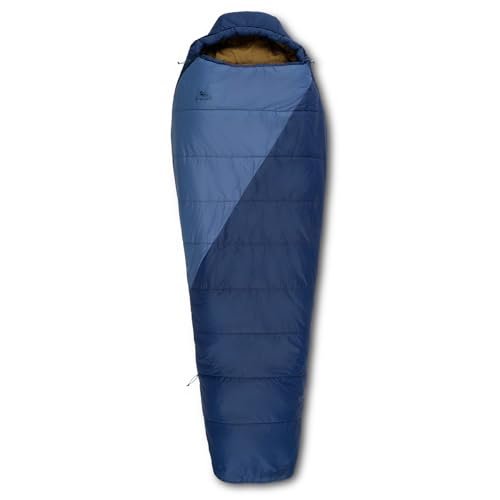
Compare the best synthetic sleeping bags.
Pair it with an insulated inflatable pad. Cold, hard ground pulls heat out of a sleeping bag from underneath, and the Therm-a-Rest NeoAir XLite NXT is the benchmark for warmth-to-weight in this category, at an R-value of 4.5.
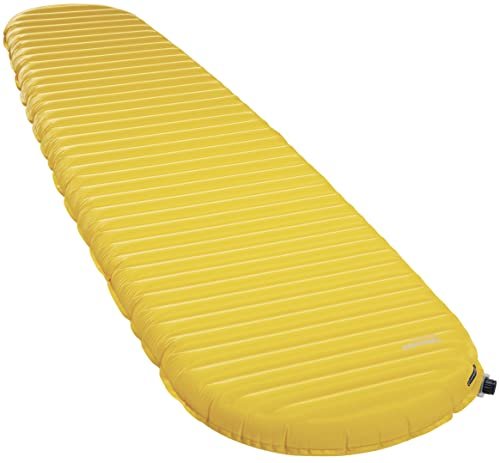
Compare the best insulated sleeping pads for hiking.
Sun protection
San Jacinto’s lower approach is genuine desert, and all three sections have long stretches with no shade above treeline. A wide-brim hat, UV-filtering sunglasses, and sunscreen for any exposed skin are not optional on any of the three. This is a spec, not a specific product pick: the site does not yet have a dedicated sun hat or sunglasses article, so treat this as a standing gap rather than a missing recommendation.
Bug protection (Three Sisters only)
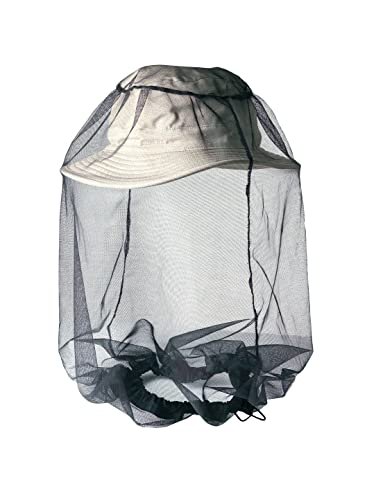
Mosquitoes are a real, specific problem on the Three Sisters section through June and July, easing by mid-August and mostly gone by mid-September. San Jacinto and Goat Rocks do not carry the same pressure. If you are walking Three Sisters in its buggier window, a wearable head net earns its place. The Sea to Summit Mosquito Head Net stays on while you hike, cook, or filter water, unlike a sleep-only screen.
Compare the best bug nets for camping.
Navigation
Cell coverage is unreliable to nonexistent on all three sections, and both the Central Cascades and Goat Rocks stretches see fast weather changes where knowing your bailout options matters. A printed or downloaded offline map is the baseline for all three. A physical compass is a sound, battery-free backup; compare the best hiking compasses if you do not already carry one.
Kit at a Glance
| Category | Our Pick | Why It Matters Here |
|---|---|---|
| Water treatment | Sawyer Squeeze | Light, durable treatment for dry-stretch carries on any of the three sections |
| Boots | Merrell Moab 3 Mid | Ankle support and sole durability for Fuller Ridge and Goat Rocks scree |
| Insulated jacket | North Face ThermoBall Eco Jacket 2.0 | Keeps insulating when damp on exposed, cold ridgelines |
| Wind/rain shell | Patagonia Torrentshell 3L | Real 3-layer protection for the Knife’s Edge and Fuller Ridge exposure |
| Trekking poles | Black Diamond Alpine Carbon Cork | Stability on scree descents across all three sections |
| Backpack | Kelty Asher 65L | Sized for a 3 to 4 day carry without tempting overpacking |
| Shelter | Kelty Grand Mesa 2P | Freestanding for windy, hard-to-peg alpine and ridge camps |
| Sleeping bag | Kelty Cosmic Synthetic 20 Degree | Real cold margin, synthetic fill handles damp |
| Sleeping pad | Therm-a-Rest NeoAir XLite NXT | R-4.5 warmth-to-weight for cold ground on any of the three |
| Sun protection | Wide-brim hat, UV sunglasses, sunscreen (spec, see note) | Long shadeless stretches on all three sections |
| Bug net (Three Sisters only) | Sea to Summit Mosquito Head Net | Wearable protection through the June to July mosquito window |
What You Can Skip
You do not need a four-season mountaineering tent. Cold, wind, and the odd rain night are the issue on all three sections, not snow loading, so a sturdy three-season freestanding tent covers it.
You do not need to carry a full water supply for the whole hike. Reliable natural sources exist for most of each route. Carry hard only for the specific dry stretch on your chosen section, rather than hauling maximum capacity the whole way.
You do not need bear canisters for these three sections specifically. Black bears are present across all three areas, but none of the official sources for San Jacinto, Three Sisters, or Goat Rocks flag a mandatory hard-sided canister requirement. Standard food-hanging or an odor-proof bag is the norm; check current requirements before you go, since rules can change.
And you do not need brand-new gear for any of these. Point-to-point sections with a car shuttle and no easy bail-out are the wrong place to debut an unbroken-in boot or an untested pad.
Final Thoughts
Three sections, three different demands, and one kit that flexes to cover all of them: water and sun for San Jacinto, bugs and a genuine dry stretch for Three Sisters, cold and exposure for Goat Rocks. Get the shared core right, footwear, warmth, and water, and the section-specific calls are easy add-ons rather than a second gear list.
Once your kit is sorted, plan the route, permits, and shuttle logistics with the full Pacific Crest Trail best sections guide, and back up your gear logic with multi-day hiking gear: what you actually need. For a different High Sierra stretch of the PCT corridor with its own demanding gear list, see what to pack for the John Muir Trail.
Frequently Asked Questions
Do I need different gear for each of these three PCT sections?
Mostly no. A shared core, boots with ankle support, a synthetic insulated jacket, a wind shell, and a reliable water filter, covers all three. The real differences are seasonal and specific: extra sun protection for San Jacinto’s desert approach, a wearable bug net for Three Sisters in June and July, and taking the cold and wind on the Knife’s Edge in Goat Rocks seriously even in August.
Do I need boots, or will trail runners work on these sections?
A sturdy, broken-in boot with real ankle support is the safer default, especially for the scree on Old Snowy’s shoulder in Goat Rocks and the rocky final descent on Fuller Ridge in San Jacinto. Experienced PCT hikers who already prefer trail runners can make that call, particularly on the gentler Three Sisters terrain, but it is not the place to switch systems for the first time.
How much water should I carry on these sections?
Plan around the longest dry stretch on your chosen section, not the average day. San Jacinto’s Wellman Divide to Fuller Ridge run can be dry by late summer, and Three Sisters thins out by late September. Aim for 4 to 6 litres of combined carry capacity and treat everything you collect.
Is the cold on the Knife’s Edge really worth planning around in summer?
Yes. The Knife’s Edge sits around 7,000 to 8,200 feet with close to a mile of fully exposed ridge and no shelter from wind. Cascade weather changes quickly, and hikers consistently report wind strong enough to affect footing even in August. Pack a real insulated layer and a wind shell, not just a light fleece.
