

Last updated: August 2026
Wild Trail Hiker is reader-supported. We may earn a commission when you buy through links on this page, at no extra cost to you. We only recommend gear we’d take on a multi-day trip ourselves.
There is a point on the North Kaibab Trail, somewhere past Roaring Springs, where the canyon walls close in and the temperature climbs like someone opened an oven door. Then, two or three days later, you are standing at the Bright Angel Trailhead on the South Rim in a fleece, watching your breath fog in the pre-dawn cold you started the whole trip in. Nowhere else in the Lower 48 asks your kit to cover that kind of range in a single trip.
That range is the whole packing problem. The Grand Canyon Rim-to-Rim crossing is not hard because of technical ground, the corridor trails are well-graded and impossible to lose. It is hard because of heat, water planning, and nearly 10,000 feet of combined elevation change on tired legs. This is the kit built for what to pack for the Grand Canyon Rim-to-Rim, sorted by what the corridor actually throws at you and why each piece earns its place.
Still deciding whether to walk it? Start with the full Grand Canyon Rim-to-Rim guide for the day-by-day itinerary, permits, and the October 2026 trail closure. For the wider kit system, see Multi-Day Hiking Gear: What You Actually Need.
Conditions That Drive Your Kit
| Factor | Grand Canyon Rim-to-Rim reality |
|---|---|
| Distance and duration | About 24 miles, North Kaibab Trailhead to Bright Angel Trailhead; 3 to 4 days is the realistic backpacking pace |
| Season | Mid-May to mid-October only (North Rim road SR 67 is closed the rest of the year); spring and fall shoulder months are safest |
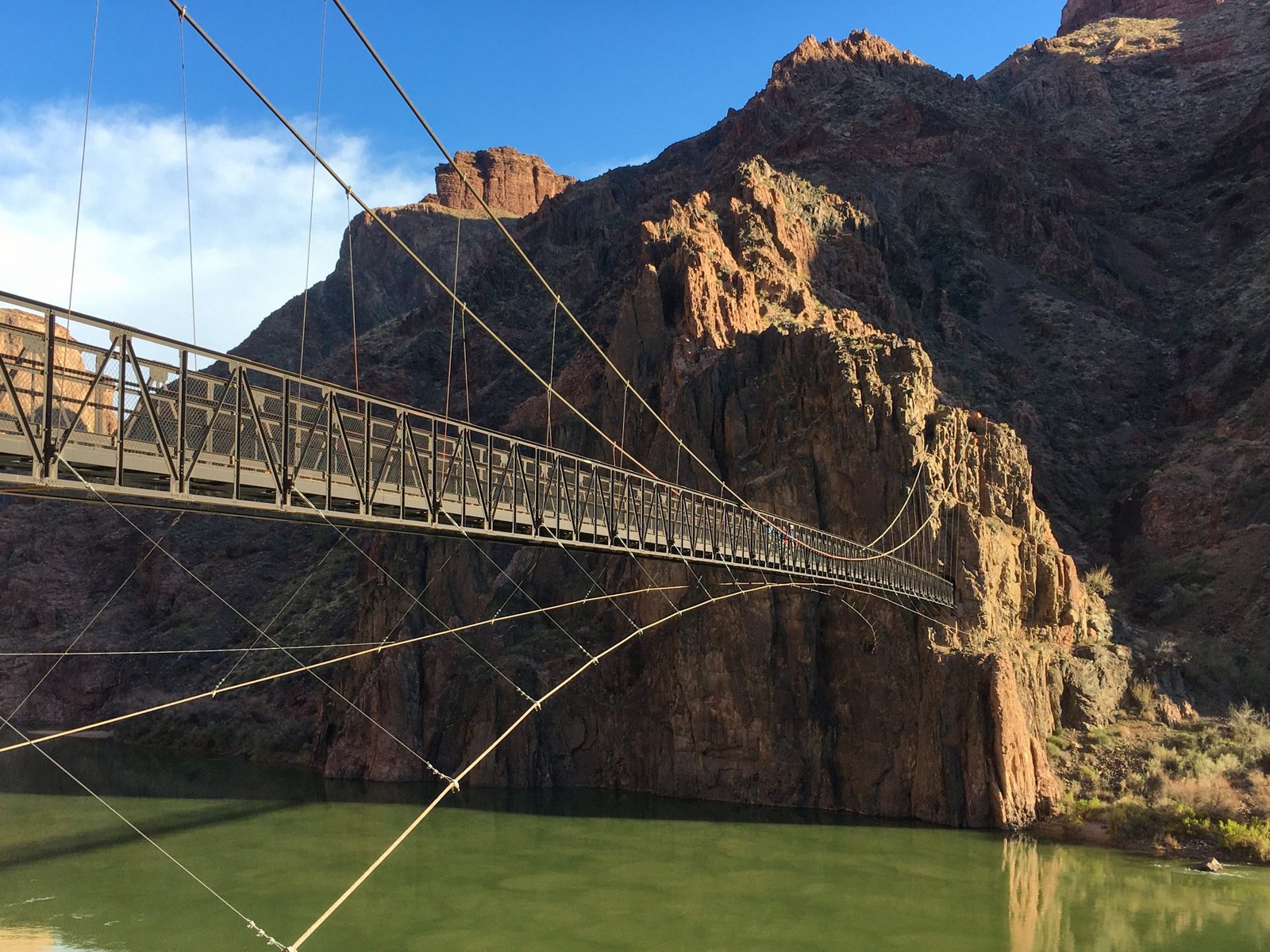
| Terrain | Well-graded, well-maintained switchbacks the entire way; no scrambling, but nearly 5,000 feet of descent followed by a comparable climb |
| Temperature | Rims can sit in the 30s to 40s°F at the start and end of your trip; the inner canyon runs 20 to 30 degrees hotter and can exceed 100°F in summer |
| Water | Seasonal stations (mid-May to mid-October) at Supai Tunnel, Manzanita, and along Bright Angel Trail; the pipeline supplying them has a history of breaking, so treat every source and carry a real reserve |
| Remoteness | Busiest backcountry in the park; cell service is patchy to nonexistent below the rim, returning only on the final stretch into Grand Canyon Village |
Every pick below traces back to a line in this table. Full permit, shuttle, and day-by-day detail sits in the Grand Canyon Rim-to-Rim guide.
How This Kit Is Built
Three things make or break this crossing: managing heat and hydration in a canyon that runs far hotter than the rims, protecting feet and joints over nearly two vertical miles of combined elevation change, and having a real water plan for a system that has broken down before. Those get the detail below. This list is built from the National Park Service‘s own backcountry guidance, REI’s Grand Canyon-specific gear checklist, and the packing lists of independent hikers who have completed the corridor crossing. It is built for the trail first. Where the sharpest tool for the job is not yet in our catalogue, we still tell you to take it, and log the gap.
Water: Treatment and Carry Capacity
This is the category that defines the trip, more than any other Grand Canyon guide will tell you. The National Park Service lists seasonal water stations at Supai Tunnel, Manzanita, Cottonwood Campground, Bright Angel Campground, Havasupai Gardens, 3-Mile Resthouse, and 1.5-Mile Resthouse, but every one of them runs on a pipeline system that has broken repeatedly in recent years, and 2026 has already seen conservation measures triggered by South Rim pipeline breaks. Treat a seasonal station as a bonus, never a guarantee.
For treatment, a press purifier gives you real margin against a source you cannot vouch for. The GRAYL GeoPress presses a clean bottle of water in about eight seconds and removes viruses as well as bacteria and protozoa, which matters when a trailside tank or a natural source like Roaring Springs is your only option. It is bulkier than a squeeze filter, which is the trade for that extra protection.
Compare the best water filters for hiking
If you would rather save weight, the Sawyer Squeeze threads onto standard bottles and bladders, handles years of repeat use, and packs down small as a lighter backup system.
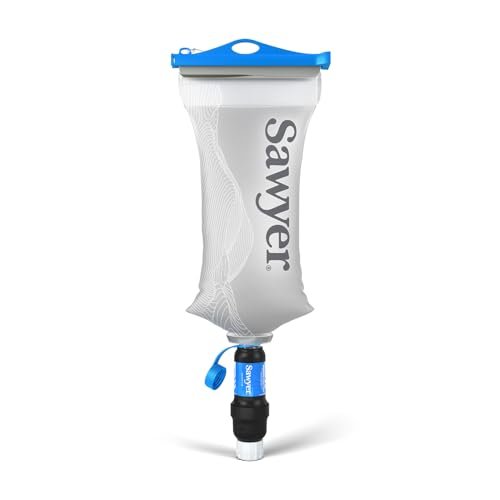
Carry at least a 3-litre reservoir and refill at every working station rather than skipping ahead. Pack electrolyte tablets or drink mix alongside plain water too. Hikers who ignore sodium replacement in the heat of The Box are the ones who end up with hyponatremia symptoms, headache, nausea, muscle cramps, that mimic simple fatigue until they turn serious. No dedicated electrolyte article exists in our catalogue yet, so buy any reputable brand and carry more than feels necessary.
Sun and Heat Management: The Category That Defines This Trail
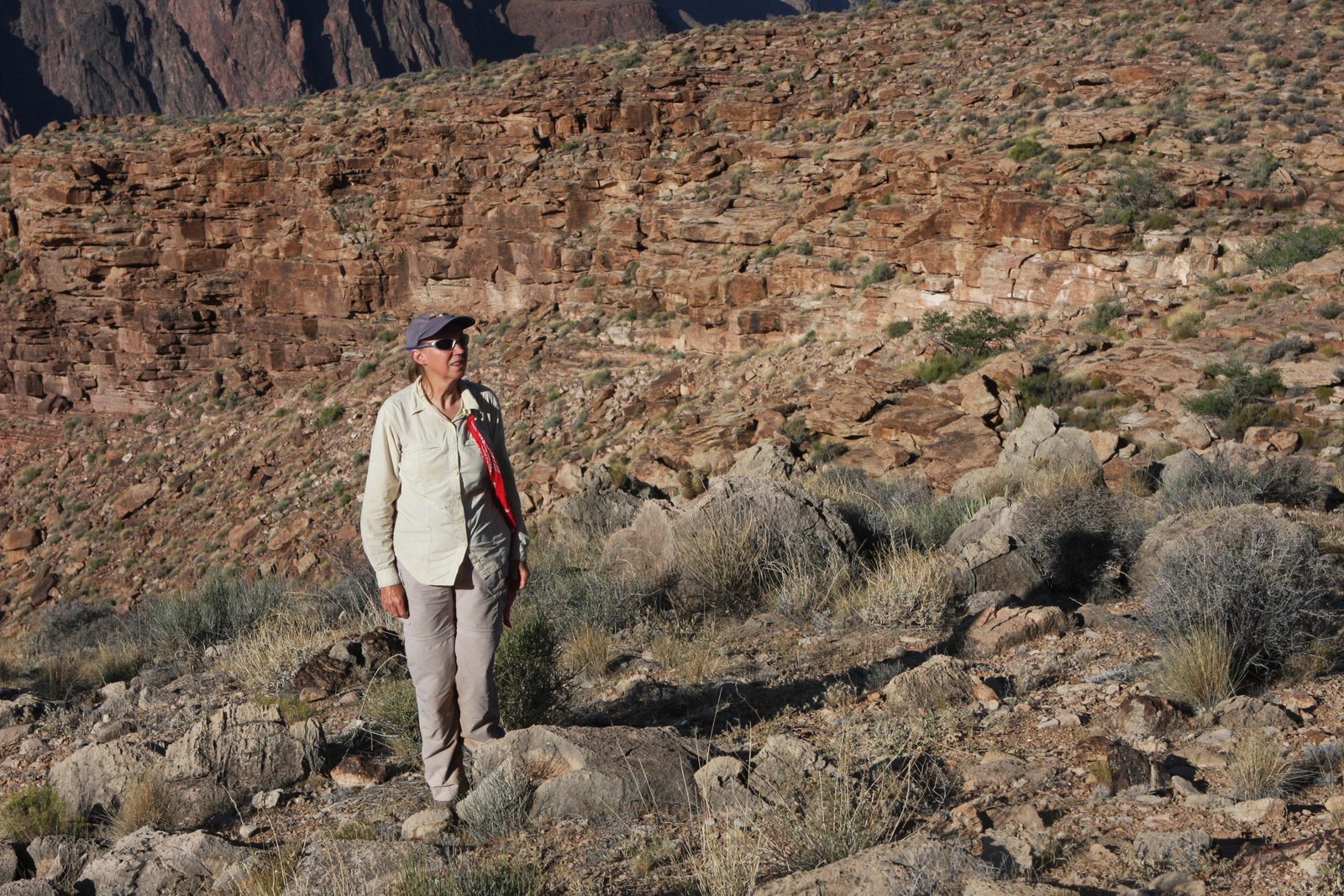
There is little to no shade on long stretches of both the North Kaibab and Bright Angel Trails, and the inner canyon’s heat is the actual safety risk on this hike, not a discomfort to push through. Get this category right before anything else on the list.
For upper-body sun coverage, the WILLIT Men’s UPF 50+ Sun Hoodie covers arms and neck with a hood that layers under a hat, and thumb loops that keep the backs of your hands out of direct sun on exposed switchbacks. A long, breathable sleeve in UPF fabric is genuinely cooler than bare skin in direct desert sun.
Compare the best moisture-wicking shirts for multi-day hiking
Build the rest of the sun kit around it: a wide-brim hat, not a cap, your ears and neck need cover too, UV-filtering sunglasses, and high-SPF sunscreen applied more often than feels necessary. None of these three have a genuine product in our catalogue yet, spec-only picks here, but none are optional on this trail.
Footwear: Protecting Two Trips’ Worth of Elevation Change
You descend close to 5,000 feet on day one, then climb almost 4,400 feet back out a few days later. That is roughly double the vertical change of most multi-day trails on this site, concentrated into two big days rather than spread evenly, and it is brutal on toes, ankles, and soles if your footwear is wrong.
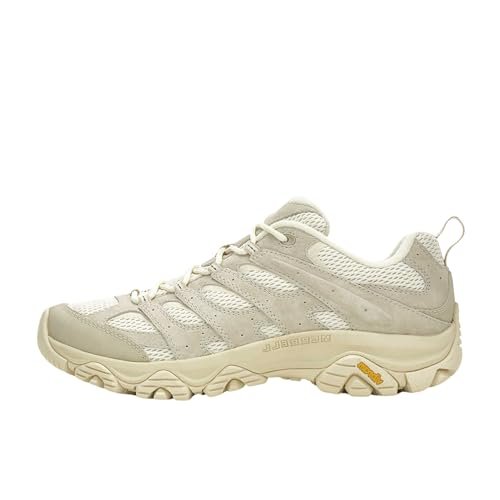
For most hikers, a breathable low-cut shoe is the better call in this heat. The Merrell Moab 3 Hiking Shoe ventilates well on the long, hot climb and adds enough underfoot structure to handle the switchbacks without the extra warmth of a full boot.
Compare the best breathable hiking shoes
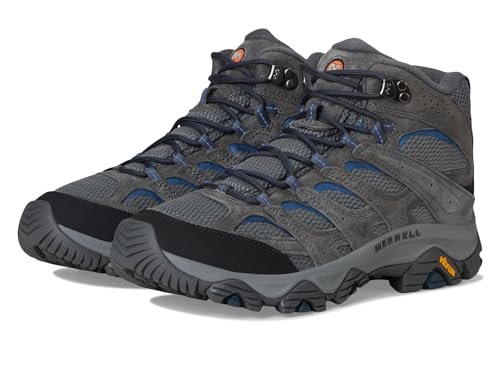
If you carry a heavier pack or want more ankle support on the steep, loose sections near Supai Tunnel, the mid-height Merrell Moab 3 Mid trades some breathability for stability. Either way, do not debut new footwear here, wear it in well before you travel, and carry a small blister kit: tape, moleskin, and a spare pair of dry socks. The DANISH ENDURANCE Merino Wool Hiking Socks manage moisture over several consecutive days.
Compare the best hiking boots
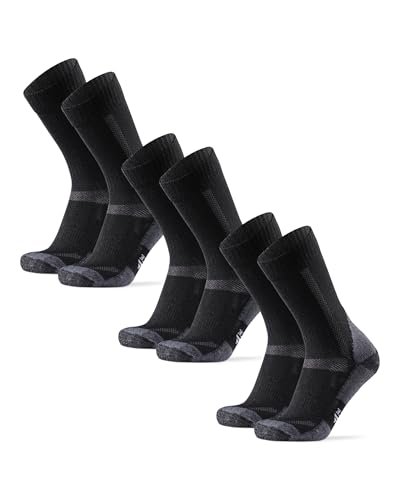
Compare the best hiking socks for preventing blisters
Lightweight gaiters are worth adding too. The sandy River Trail section between the river and Silver Bridge, and the loose scree near Supai Tunnel, both find their way into an open shoe collar fast.
The Rest of Your Kit
These categories matter less than the three above, but each still earns its place on this trail.
Backpack
You are carrying camping gear plus 3 or more litres of water at any given time, so a supportive pack matters. A 50 to 65 litre pack with a hip-loading frame fits a 3 to 4 day corridor trip comfortably. The Kelty Asher 65L covers this without a premium price, with room to spare for extra water margin.
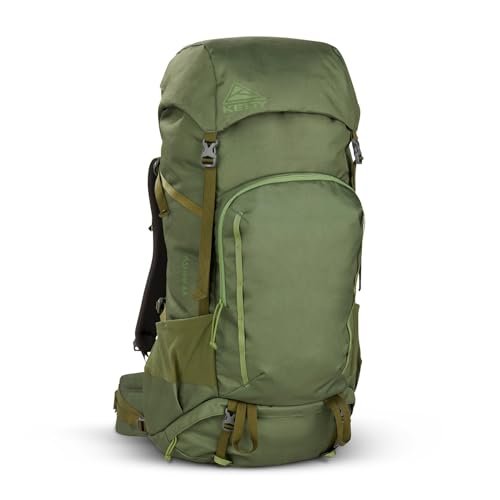
Compare the best internal frame backpacks
Sleep system
Cottonwood and Bright Angel Campgrounds sit low in the canyon, 4,080 feet and 2,480 feet respectively, and shoulder-season nights there are mild rather than genuinely cold, unlike the exposed alpine camps on some of our other trail guides. A standard 20 to 30°F rated bag is enough margin; the Kelty Cosmic Synthetic 20 Degree covers it and handles the odd damp night near Bright Angel Creek better than down would.
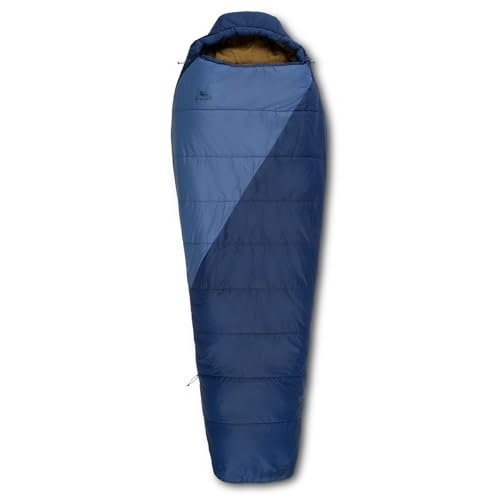
Compare the best synthetic sleeping bags
You do not need the R-value 4-plus alpine-grade mat some of our colder, higher-altitude trail guides call for here. Any pad in the R2-and-up range from our best insulated sleeping pads for hiking guide is comfortable margin for these campground elevations. A lightweight freestanding tent, the Kelty Grand Mesa 2P, handles established corridor campsites without a fight, and takes the sun and any afternoon monsoon cell in stride.
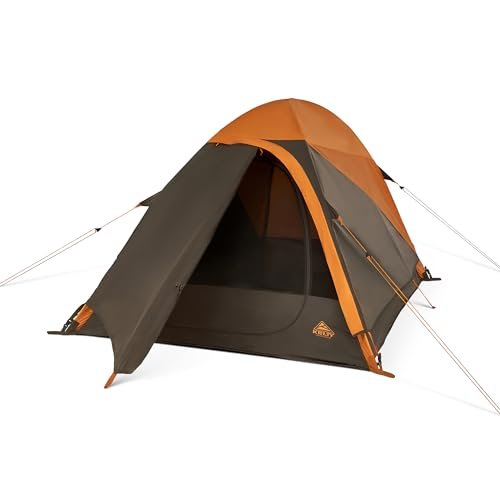
Compare the best freestanding tents
Trekking poles
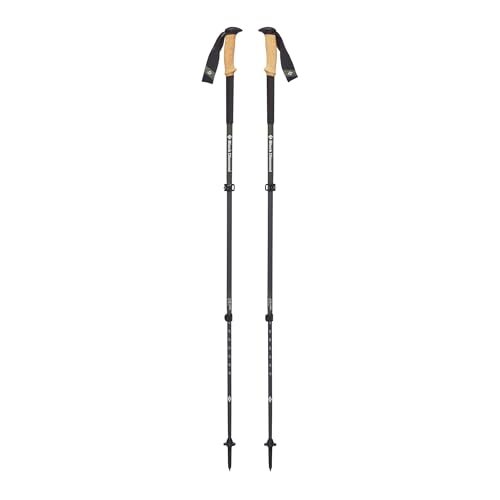
Nearly 5,000 feet of descent on day one, then a comparable climb out on your last day, is exactly where poles pay for themselves, saving knees on the way down and giving tired legs extra push on the way up. The Black Diamond Alpine Carbon Cork holds up well over a multi-day trip.
Compare the best trekking poles
Insulated jacket for the rims
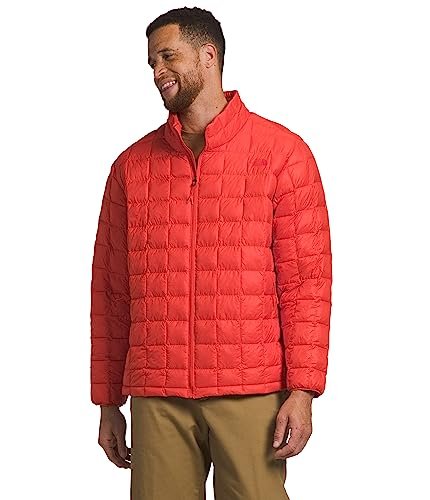
Both trailheads sit well above the inner canyon, 8,241 feet at North Kaibab and 6,860 feet at Bright Angel, and mornings and evenings there can be genuinely cold even when the canyon floor is baking. The North Face ThermoBall Eco Jacket 2.0 packs down small for the hours you will not be wearing it and keeps insulating if it picks up any damp from an early frost or a stray monsoon shower.
Compare the best insulated jackets for hiking
Headlamp and pre-dawn starts
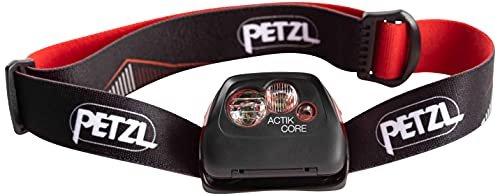
Starting well before sunrise is one of the most effective ways to beat the heat on this trail, which makes a reliable headlamp closer to essential gear than a nice-to-have. The Petzl Actik Core runs on a rechargeable pack or three AAA batteries as backup, useful given how unreliable charging is below the rim.
Compare the best headlamps for hiking
Camp shoes and extras
Lightweight sandals are worth the extra few ounces for airing out your feet at camp and wading the cool sections of Bright Angel Creek on your rest day. A basic first aid kit with blister supplies, tweezers (cactus spines are a real hazard here), and any personal medication rounds out the kit. Mobile coverage is patchy below the rim, returning only on the final approach to Grand Canyon Village, so leave your itinerary with someone. The corridor’s popularity and the ranger presence at Phantom Ranch make a satellite messenger a nice-to-have here, not the non-negotiable it is on more remote trails in our other guides.
What to Pack for the Grand Canyon Rim-to-Rim: Kit at a Glance
| Category | Our Pick | Why It Matters Here |
|---|---|---|
| Water purifier | GRAYL GeoPress | Removes viruses from an uncertain, pipeline-dependent water supply |
| Water filter backup | Sawyer Squeeze | Light, proven backup for natural sources like Roaring Springs |
| Sun layer | WILLIT UPF 50+ Sun Hoodie | Full-coverage protection on shadeless switchback stretches |
| Footwear (breathable) | Merrell Moab 3 | Ventilated for heat on the long, hot climb out |
| Footwear (ankle support) | Merrell Moab 3 Mid | Extra stability on the steep, loose Supai Tunnel switchbacks |
| Socks | DANISH ENDURANCE Merino | Manages moisture over nearly 10,000 feet of combined elevation change |
| Backpack | Kelty Asher 65L | Room for camping gear plus a real water reserve |
| Sleeping bag | Kelty Cosmic Synthetic 20 Degree | Comfortable margin for mild, low-elevation corridor campgrounds |
| Sleeping pad | Insulated inflatable, R-value 2+ | Low-elevation camps do not need the alpine-grade rating other guides call for |
| Tent | Kelty Grand Mesa 2P | Freestanding, handles established corridor campsites easily |
| Trekking poles | Black Diamond Alpine Carbon Cork | Saves knees on the descent, helps legs on the climb out |
| Insulated jacket | North Face ThermoBall Eco 2.0 | Cold rim mornings and evenings, even when the canyon floor is baking |
| Headlamp | Petzl Actik Core | Essential for pre-dawn starts that beat the worst of the heat |
What You Can Skip
Plenty of hikers haul weight up the Bright Angel switchbacks that they never needed.
You do not need a GPS device or a dedicated navigation system. The corridor trails are the most heavily used, clearly marked backcountry in the park, and getting lost here is not a realistic risk the way it is on some of our more remote trail guides.
You do not need a heavy four-season tent or an extreme cold-rated bag. The corridor campgrounds sit low and mild; the challenge here is heat, not cold.
You do not need to carry a full multi-day water supply from the trailhead. Seasonal stations exist along most of the route, so you are topping off and carrying a reserve, not hauling a desert-crossing quantity the whole way like some drier trails on this site.
And you do not need brand-new, untested boots. This is the wrong trail to discover a hot spot on day one, three days from your car.
Renting vs Buying
Gear rental is genuinely available near both ends of this trip. Peace Surplus in downtown Flagstaff rents tents, packs, sleeping bags, and pads, a sensible stop if you are flying in without camping gear. Grand Canyon Outfitters, inside the Canyon Village Marketplace on the South Rim, rents and sells backpacking equipment on site, and LowerGear offers full packages with pickup or shipping to Flagstaff, Sedona, or Las Vegas. For a one-off trip, renting the big-ticket camping items and buying just your footwear, socks, and sun layer is a reasonable approach.
Final Thoughts
The Grand Canyon Rim-to-Rim rewards hikers who pack for its real risk, heat and water, not the vertical stats on paper. Get sun protection, water treatment, and footwear right, and the crossing becomes what it should be: a walk through two billion years of exposed geology, not a heat-safety emergency.
When your kit is sorted, plan the route, permits, and shuttle logistics with the full Grand Canyon Rim-to-Rim guide, and back up your gear logic with Multi-Day Hiking Gear: What You Actually Need. For another big Western multi-day trip with far less heat exposure, see what to pack for the John Muir Trail.
Frequently Asked Questions
Do I need a water filter if there are seasonal water stations on the trail?
Yes. The stations run on a pipeline system that has broken down repeatedly in recent years, and 2026 has already seen conservation measures triggered by pipeline breaks on the South Rim. Treat every source, including trailside taps, as unreliable, and carry a real filter or purifier plus a reserve for the gaps.
What is the one thing people forget to pack for the Rim-to-Rim?
Enough electrolyte replacement. Hikers focus on water volume and forget that heat-related illness at the bottom of this canyon is frequently a sodium problem as much as a hydration one. Pack electrolyte tablets or drink mix alongside plain water, not instead of it.
Do I need hiking boots, or will trail shoes do?
Either works if it is broken in and well ventilated. A breathable low-cut shoe manages the heat better on the long climb out; a mid-height boot trades some breathability for ankle support on the steeper, looser switchbacks near Supai Tunnel. What matters most is that you have worn whichever you choose well before this trip.
Can I rent gear near the trailheads?
Yes. Peace Surplus in Flagstaff and Grand Canyon Outfitters at the South Rim’s Canyon Village Marketplace both rent tents, packs, and sleeping bags, and online outfitters like LowerGear offer full backpacking packages. Renting big-ticket camping gear and buying only your footwear and sun protection is a reasonable approach for a one-off trip.
