

Last updated: August 2026
Wild Trail Hiker is reader-supported. We may earn a commission when you buy through links on this page, at no extra cost to you. We only recommend gear we’d take on a multi-day trip ourselves.
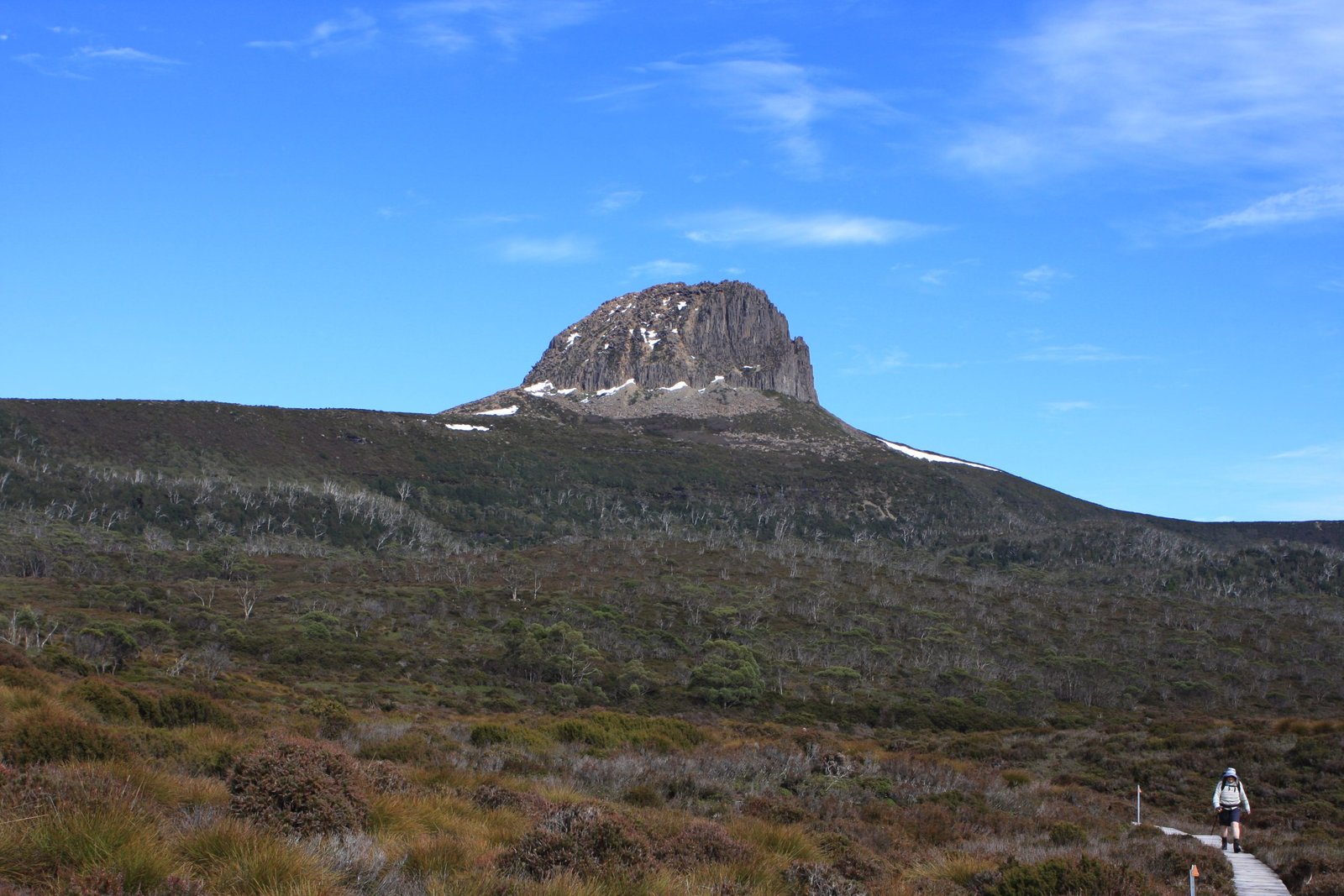
There is a morning on the Overland Track when the cloud lifts off Cradle Mountain just long enough to show you why so many people book this walk every season. Pack still heavy with six days of food, the Cradle Valley opens up in front of you: dolerite peaks, button grass plains, glacial lakes catching the light. Then the cloud closes back in, the wind picks up, and you remember you are in Tasmania.
That flip is the whole trail in miniature. Tasmania Parks and Wildlife is blunt: cold, wet, windy weather can hit at any time of year, including summer, and almost half the route sits above 1,000 metres on exposed plateau with no shelter. Huts exist, but they cannot be booked and can fill up, so every walker carries a tent regardless of plan. Here is what to pack for the Overland Track: the kit built for that combination, sorted by what the track demands and why each piece earns its place.
Still deciding whether to walk it? Start with the full Overland Track Tasmania guide for the itinerary, booking process and ferry logistics. For the broader kit system, see Multi-Day Hiking Gear: What You Actually Need.
Conditions That Drive Your Kit
| Factor | Overland Track reality |
|---|---|
| Distance and duration | 65 km, 6 days standard (82.5 km, 7 days if you walk out to Cynthia Bay) |
| Season | Booking season 1 October to 31 May; December to March is the most settled window |
| Terrain | Boardwalk, mud, rock, tree roots and exposed alpine plateau |
| Weather | Cold, wet and windy at any time of year; almost half the route above 1,000 m |
| Huts | First-come, first-served, cannot be booked; a tent is mandatory regardless of plan |
| Remoteness | Patchy to no phone coverage; a PLB is strongly recommended |
| Water | Tank water at huts plus natural sources; treat everything, giardia is present |
Every pick below traces back to a line in this table. Full permit, transport and day-by-day detail sits in the Overland Track Tasmania guide.
How This Kit Is Built
Three things make or break this walk: staying dry and warm through weather that turns fast, a genuine sleep and shelter system since a hut bed is never guaranteed, and feet that keep working over six days of boardwalk and mud. Those get the detail below. This list is built from Tasmania Parks’ own Safety Checklist and Walker Pack List, operator-grade notes in Tasmanian Geographic, and independent walkers’ published packing lists. It is built for the trail first. Where the sharpest tool is not yet in our catalogue, we still tell you to take it, and log the gap.
Rain and Wind Protection: The Category That Defines This Trail
Cradle Valley records rain on roughly five days out of seven, and Parks warns cold, wet, windy conditions are a year-round risk, not a winter one. Wind on the exposed plateau adds a real chill factor. Get this category right first.
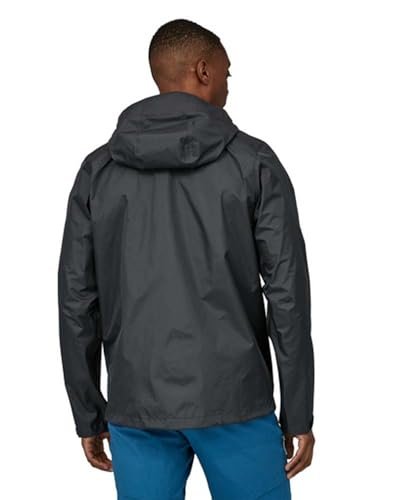
For the shell, the Patagonia Torrentshell 3L Rain Jacket is built for sustained wet weather. Its 3-layer construction and adjustable hood hold up under a loaded pack strap over repeat days, where lighter emergency shells do not.
Compare the best lightweight hiking jackets.
For the same protection at a lower price, the Marmot PreCip Eco Jacket is a proven alternative with pit zips and an adjustable hood.
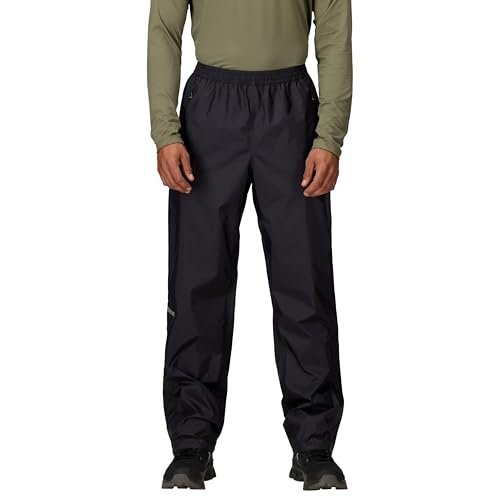
Rain pants matter almost as much as the jacket. Walkers who skip them get soaked from the knee down on wet boardwalk and low scrub, whatever the jacket is doing. The Marmot PreCip Eco Rain Pant is the proven match for the jacket above, waterproof and packable.
Compare the best rain pants for hiking.
Sleep System: A Hut Bed Is Never Guaranteed
This is where the track catches people out. Huts have bunk platforms but no mattresses, and Parks states you must be self-sufficient because a bed is never certain. Your bag and mat both have to work whether you land a bunk or the ground.
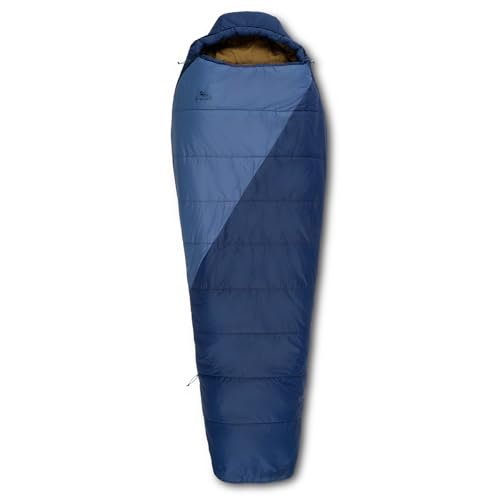
For the bag, go colder than you think you need. Parks and operator guidance both point to a rating below -5°C. The Kelty Cosmic Synthetic 20 Degree (rated to roughly -6.7°C) clears that bar with margin and stays synthetic, which matters when huts are damp. Walking the shoulder months, October, November, April or May, step up to the Kelty Cosmic Synthetic 0 Degree for real cold-morning insurance.
Compare the best synthetic sleeping bags.
The mat matters just as much, and this is another spec-first call. Independent walkers here recommend an insulated inflatable mat with a real R-value of 2.5 or higher, more if you sleep cold. Hut platforms and frosty ground pull heat out from underneath you all night. Our budget sleeping pads catalogue does not cover this. The benchmark is the Therm-a-Rest NeoAir XLite NXT (R-value 4.5), comfortably above the 2.5+ threshold. See our best insulated sleeping pads for hiking guide for the full range, including a warmer XTherm option for colder nights.
Shelter: Carry a Tent, No Exceptions
Even walkers planning to sleep in huts every night must carry a tent. It is not optional advice, it is the reality of a first-come, first-served hut system: a busy departure date can mean every bunk is taken before you arrive.
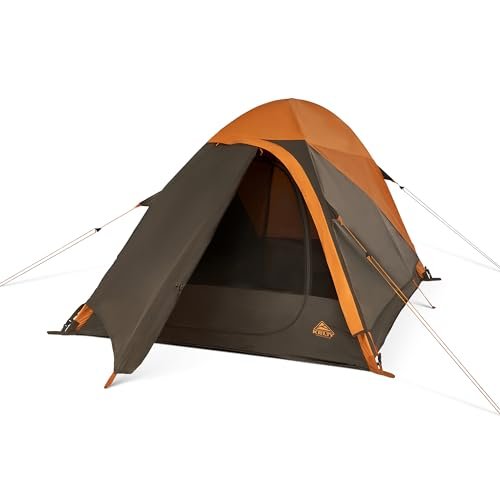
The Kelty Grand Mesa 2P is a sensible pick: freestanding, so it pitches cleanly on the wooden tent platforms and their cable tie-downs rather than fighting for stake purchase, with a 3-season build that handles wind and rain without expedition weight. Pack a footprint or groundsheet, platform timber is not kind to a tent floor.
Compare the best freestanding tents.
Footwear: Six Days of Boardwalk, Mud and Rock
The surface changes constantly: boardwalk, loose rock, tree roots, and mud that runs deep after rain, especially outside December to March. None of it is technical, but it adds up over six days, and wet feet compound into blisters fast.
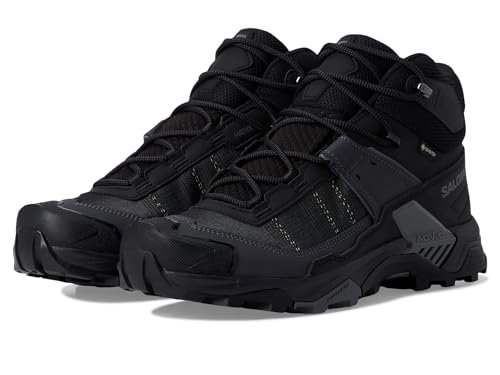
The Salomon X Ultra 5 Mid GTX is a strong all-round pick: a genuine Gore-Tex membrane, an all-terrain outsole that holds up on wet boardwalk and greasy rock, and a mid-height cuff that helps on the uneven Pelion approach and the Windy Ridge descent.
Compare the best waterproof hiking boots.
Whatever boots you choose, do not debut them here. Wear them in before you fly to Launceston or Hobart. Pair them with a genuine hiking sock, the DANISH ENDURANCE Merino Wool Hiking Socks manage moisture well across six consecutive days, and carry a dry spare pair for the huts.
Compare the best hiking socks for preventing blisters.
Gaiters are worth adding outside peak season. Most walkers find the track dry underfoot in summer, genuinely muddy in spring and autumn.
The Rest of Your Kit
These categories matter less than the four above, but each earns its place.
Backpack
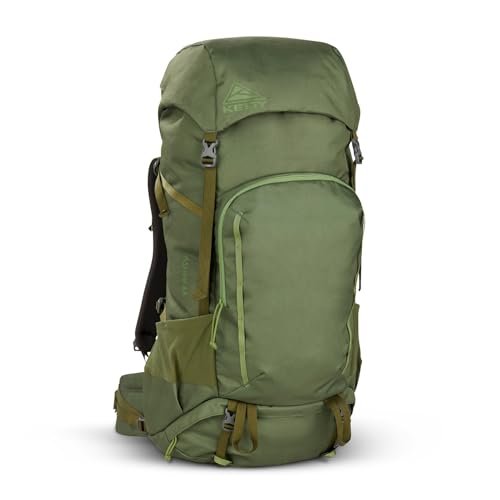
You need capacity for a tent, sleeping bag and mat, six days of food, and a stove, all inside the pack, not lashed outside where wet weather finds them. A 55 to 75 litre pack suits most solo walkers. The Kelty Asher 65L covers this comfortably, with a hip belt that carries the load.
Compare the best internal frame backpacks.
Water treatment
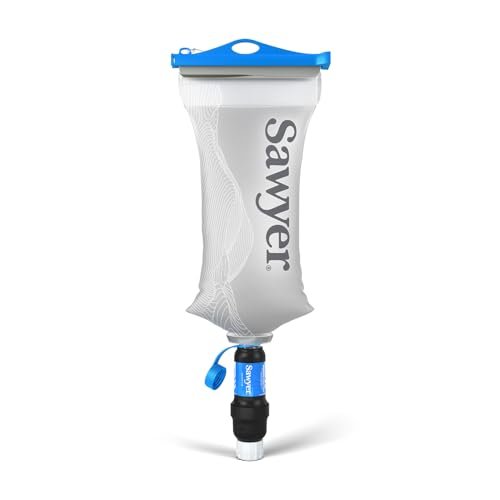
Huts have rainwater tanks and natural sources along the route, but Parks recommends treating everything, giardia has turned up here before. The Sawyer Squeeze is light, threads onto standard bottles, and handles six days of use.
Compare the best water filters for hiking.
Trekking poles
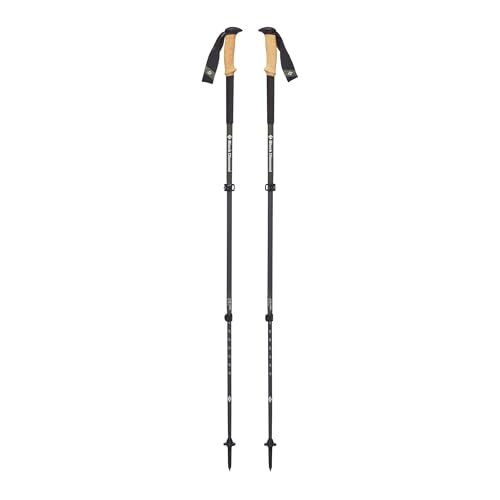
Steep sections near Marions Lookout and the Pelion Gap side trips reward poles, for knees on descents and balance in mud. The Black Diamond Alpine Carbon Cork is durable over six days.
Compare the best trekking poles.
Warm layers and navigation
Evenings at hut altitude get cold fast, and a warm layer that still works when damp matters more than a dry-climate puffy. The North Face ThermoBall Eco Jacket 2.0 keeps insulating after a wet day; add a beanie and light gloves.
Compare the best insulated jackets for hiking.
The track is well marked and most walkers do not need a GPS, but Parks warns against relying on a phone, and mist on the exposed plateau can drop visibility fast. Carry the official TASMAP map as your primary reference, with a compass or GPS as backup, especially for a side trip like the Labyrinth. Compare the best hiking GPS devices and best hiking compasses.
Food storage, cooking and power
Wombats, possums and currawongs are used to walkers, and food-conditioned wildlife is a genuine hut nuisance. Store food inside your pack or a sealed hut cupboard, never an open tent pocket. A roll-top dry bag doubles well here, protecting food from animals and keeping electronics dry (a catalogue gap, logged below).

The park is fuel-stove-only, huts supply no cooking equipment, and open fires are not permitted, so bring a gas stove, fuel for six days, and a simple pot and mug. A headlamp is essential for early starts and hut life; the Petzl Actik Core runs on a rechargeable pack or three AAAs. Pair it with the ELECOM NESTOUT 15,000mAh Rugged Power Bank for six days of charging without hut power.
Compare the best headlamps for hiking and best power banks for hiking.
Emergency communication
Phone coverage is patchy to nonexistent on most of the route. A PLB is strongly recommended by Tasmania Parks, and it is a safety item, not an affiliate pick: buy or hire one you trust and register it first.
What to Pack for the Overland Track: Kit at a Glance
| Category | Our Pick | Why It Matters Here |
|---|---|---|
| Rain jacket | Patagonia Torrentshell 3L | Rain on five days out of seven in Cradle Valley |
| Rain pants | Marmot PreCip Eco Rain Pant | Wet boardwalk and scrub soak legs regardless of jacket |
| Sleeping bag | Kelty Cosmic Synthetic 20 Degree | Below Parks’ -5°C guidance; synthetic handles damp huts |
| Sleeping mat | Therm-a-Rest NeoAir XLite NXT, R-value 4.5 | Hut bunks have no mattress; ground steals heat |
| Tent | Kelty Grand Mesa 2P | Mandatory carry; freestanding for tent-platform pitching |
| Boots | Salomon X Ultra 5 Mid GTX | Gore-Tex and grip for boardwalk, mud and wet rock |
| Socks | DANISH ENDURANCE Merino | Manages moisture over six consecutive days |
| Backpack | Kelty Asher 65L | Fits tent, bag and six days of food inside |
| Water treatment | Sawyer Squeeze | Giardia is present; treat tank and natural water |
| Trekking poles | Black Diamond Alpine Carbon Cork | Saves knees on climbs and balance in mud |
| Warm layer | North Face ThermoBall Eco 2.0 | Synthetic fill keeps insulating through damp evenings |
| Headlamp | Petzl Actik Core | Rechargeable or AAA backup, no reliable hut charging |
What You Can Skip
Plenty of walkers carry weight up Marions Lookout that they never needed.
You do not need four-season mountaineering gear. This trail is hard because of cold, wet and wind, not snow loading, so a solid three-season tent and a sub-zero-rated synthetic bag cover the real risk without extra bulk.
You do not need to carry a full water supply from the trailhead. Huts have rainwater tanks along the route, so plan around treating what is available, not hauling days of water like a desert crossing.
You do not need a heavy cook set, a single pot, a mug, and a stove are enough. And you do not need brand-new, untested boots. Test everything at home and arrive with kit you already trust.
Renting vs Buying
Gear rental near the Cradle Mountain trailhead is limited, but a PLB is the one genuine exception. Tasmania Parks hires them through Service Tasmania shops in Hobart, Launceston, Burnie and Devonport, and the Cradle Mountain, Lake St Clair and Mount Field visitor centres. Numbers are limited and cannot be reserved, so sort this out early rather than assuming one will be free the day before you start.
Final Thoughts
That is what to pack for the Overland Track: a shell for sustained rain and wind, a sleep system that works without a hut bed, a tent you are prepared to pitch, and boots that survive the boardwalk and mud. Get those four right and the rest of the trip is just walking through some of Tasmania’s best country.
When your kit is sorted, plan the route and permits with the full Overland Track Tasmania guide, and back up your gear logic with Multi-Day Hiking Gear: What You Actually Need. For an Australian classic with very different demands, see what to pack for the Larapinta Trail. For a similarly wet alpine loop up north, see what to pack for the Wonderland Trail.
Frequently Asked Questions
Do I really need a tent if I am hoping to sleep in huts?
Yes. Huts are first-come, first-served and cannot be booked, so a bunk is never guaranteed, even with a confirmed booking. Parks requires every walker to carry a tent for exactly this reason. Treat the hut as a bonus, not a plan.
What sleeping bag rating do I need for the Overland Track?
Parks and operator guidance point to a rating below -5°C, since cold, wet, windy conditions can happen any time of year. A synthetic bag handles the persistent damp better than down. Pair it with an insulated mat, since cold ground or a hard bunk will undo a warm bag from underneath.
Can I rent a PLB instead of buying one?
Yes. Tasmania Parks lists PLB hire through Service Tasmania shops and the Cradle Mountain, Lake St Clair and Mount Field visitor centres. Numbers are limited and cannot be reserved, so arrange this early.
What do people over-pack or under-pack for this trail?
Over-packing shows up as spare cooking gear and four-season equipment the season does not need. Under-packing shows up as rain pants, an insulated mat with a real R-value, and enough warm layers for hut evenings. Most gear failures here come from underestimating the cold, wet and wind, not the distance.
