

Last updated: July 2026
Wild Trail Hiker is reader-supported. We may earn a commission when you buy through links on this page, at no extra cost to you. We only recommend products we’d consider taking on a multi-day trip ourselves.
Intro
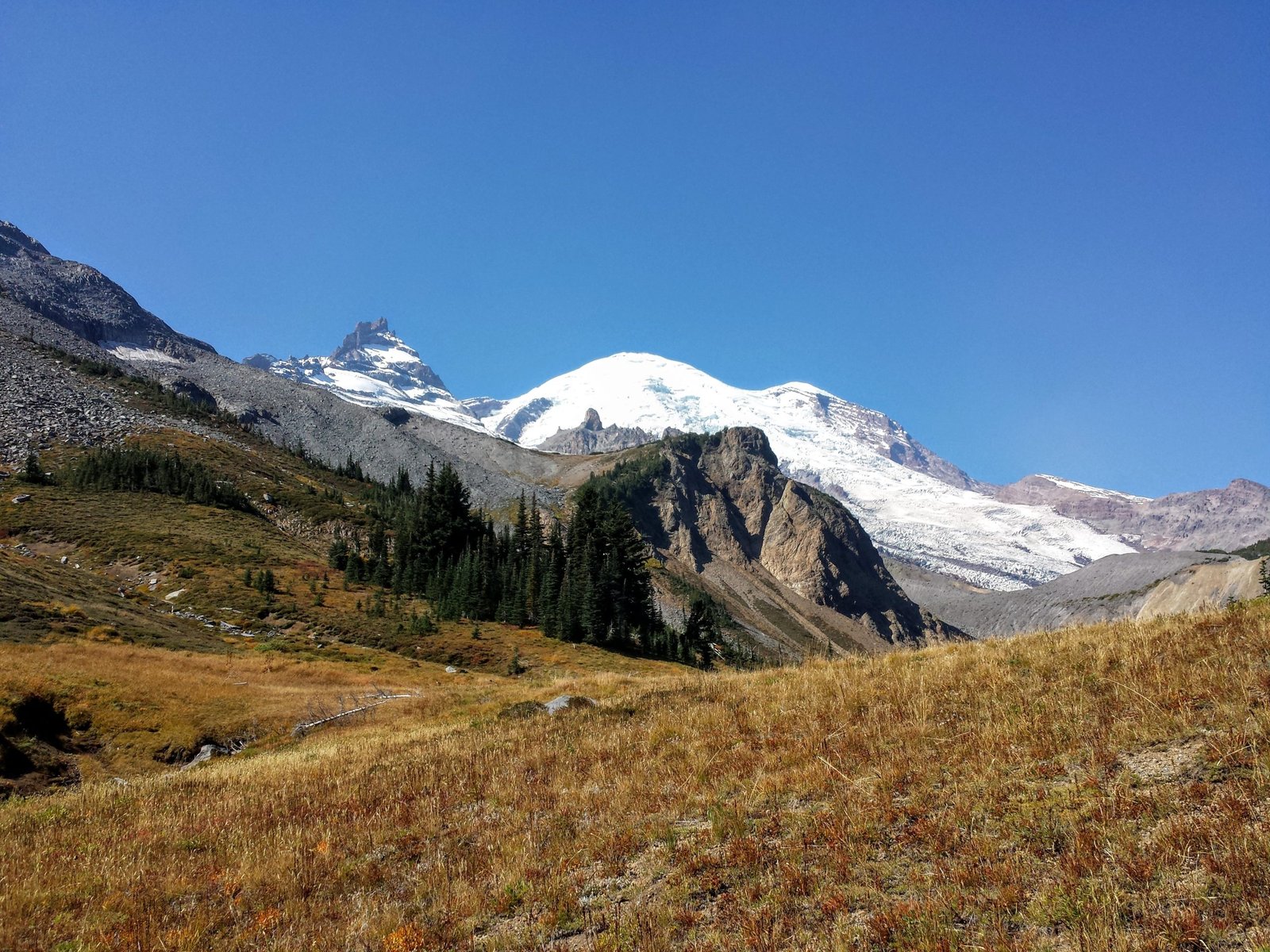
Somewhere around day three on the Wonderland Trail, usually on the climb out of a river valley with Mount Rainier’s ice suddenly filling the whole skyline above you, most hikers stop caring about the miles left and start thinking about how lucky they are to have a permit at all. That is the payoff this trail is famous for. Getting to that moment in one piece means packing for a trail that never settles into an easy rhythm: constant elevation change, glacial river crossings, and mountain weather that can turn cold and wet with almost no warning, even in August.
This is what to pack for the Wonderland Trail specifically: the kit dialled for this trail, not a generic multi-day checklist. Still deciding whether to walk it? Start with the full Wonderland Trail guide for permits, the day-by-day route, and logistics. For the broader gear thinking behind these picks, see multi-day hiking gear: what you actually need.
Conditions That Drive Your Kit
93 miles, typically walked over 7 to 12 days (9 to 10 is the average), with roughly 22,000 to 25,000 ft of cumulative elevation gain and no long flat stretches. Best season is mid-July through late September; count on lingering snow at the 6,750 ft Panhandle Gap into early July, and genuine cold at every high camp regardless of month. Water is abundant but the biggest rivers run thick with glacial silt. Mosquitoes peak from July into early August, worst in the meadow camps. The trail is remote enough that resupply only happens at a handful of fixed points (Longmire, White River, and Sunrise; Mowich Lake resupply access is currently affected by a bridge closure). Full detail in the destination guide.
How This Kit Is Built
Everything here earns its place against the three things the Wonderland Trail throws hardest at you: relentless elevation change on your feet and joints, glacial rivers that clog gear meant for clear water, and cold, unpredictable weather at altitude that doesn’t care what month it is. This list is built from the National Park Service’s own trail guidance, gear lists published by hikers who’ve completed the full loop, and cross-checked against independent gear-review sources, not from what happens to be easiest to sell.
The Kit, by Category
Rain protection (critical)
A waterproof, breathable rain jacket is the single most-cited must-have across every Wonderland Trail gear list, and for good reason: Mount Rainier makes its own weather, and a system that’s clear at Longmire can be socked in and dripping by the time you reach Panhandle Gap. Skimp here and you’re hiking cold and wet for days, not hours. See best waterproof jackets.
Rain pants (overtrousers) matter almost as much as the jacket on this trail, especially in brushy sections where wet vegetation soaks your legs from the knee down regardless of what the sky is doing. Our pick is the Marmot PreCip Eco, a genuinely waterproof, packable overtrouser that shows up repeatedly across trip reports for wet Pacific Northwest trails.
Sleep system (critical)
A sleeping bag rated to at least 20 to 30°F is the standard recommendation, and it holds up: even in August, high camps like Indian Bar and Mystic Lake regularly sit near freezing overnight. See best down sleeping bags for the best warmth-to-weight ratio over 9-plus days of carrying it.
An insulated sleeping pad with an R-value of 3 or higher, such as the Therm-a-Rest NeoAir XTherm NXT (R-value 7.3, see our best insulated sleeping pads for hiking guide for the full range), is the piece that actually determines whether that bag rating holds up, since ground temperature dominates heat loss on the exposed, rocky designated tent sites this trail uses. The Therm-a-Rest NeoAir XLite or XTherm are the benchmark here: both hold their rated warmth on rocky, cold-ground sites like these and show up repeatedly in Wonderland trip reports.
Water filtration for silty glacial rivers (critical)
Every source on this trail agrees on one thing: the big glacial rivers (Carbon, Mowich, Puyallup) run so turbid with rock flour that a standard filter can clog within a single fill. A squeeze or hollow-fibre filter is the standard pick for weight and reliability between silty refills. See best water filters for hiking.
Pair it with a simple pre-filter or a wide-mouth bottle to let sediment settle before it ever reaches your filter membrane. This isn’t a separate product category so much as a five-minute habit, but skipping it is the single most common reason hikers report a dead filter by day 5.
Footwear (critical)
This trail is genuinely split between two camps. Waterproof hiking boots give you ankle support for the loaded descents and some protection against cold water at fords; see best waterproof hiking boots. Trail runners are the lighter-footed alternative favoured by hikers prioritising fast recovery over 9-plus consecutive days, accepting wet feet as the tradeoff; see best trail running shoes. Either works. What doesn’t work is showing up in anything you haven’t already broken in over real miles.
Backpack
A 50 to 65-litre multi-day backpack is the realistic range for a 7-to-12-day trip where you’re not resupplying every couple of days. See best multi-day backpacks.
Shelter
A freestanding tent is worth the small weight penalty over a trekking-pole shelter here, since several designated camps have rocky or root-bound platforms where staking out a non-freestanding design is a genuine hassle at the end of a long day. See best freestanding tents.
Insulated camp layer
A packable insulated jacket earns its weight the moment you stop moving at a high camp. See best insulated jackets for hiking.
Trekking poles
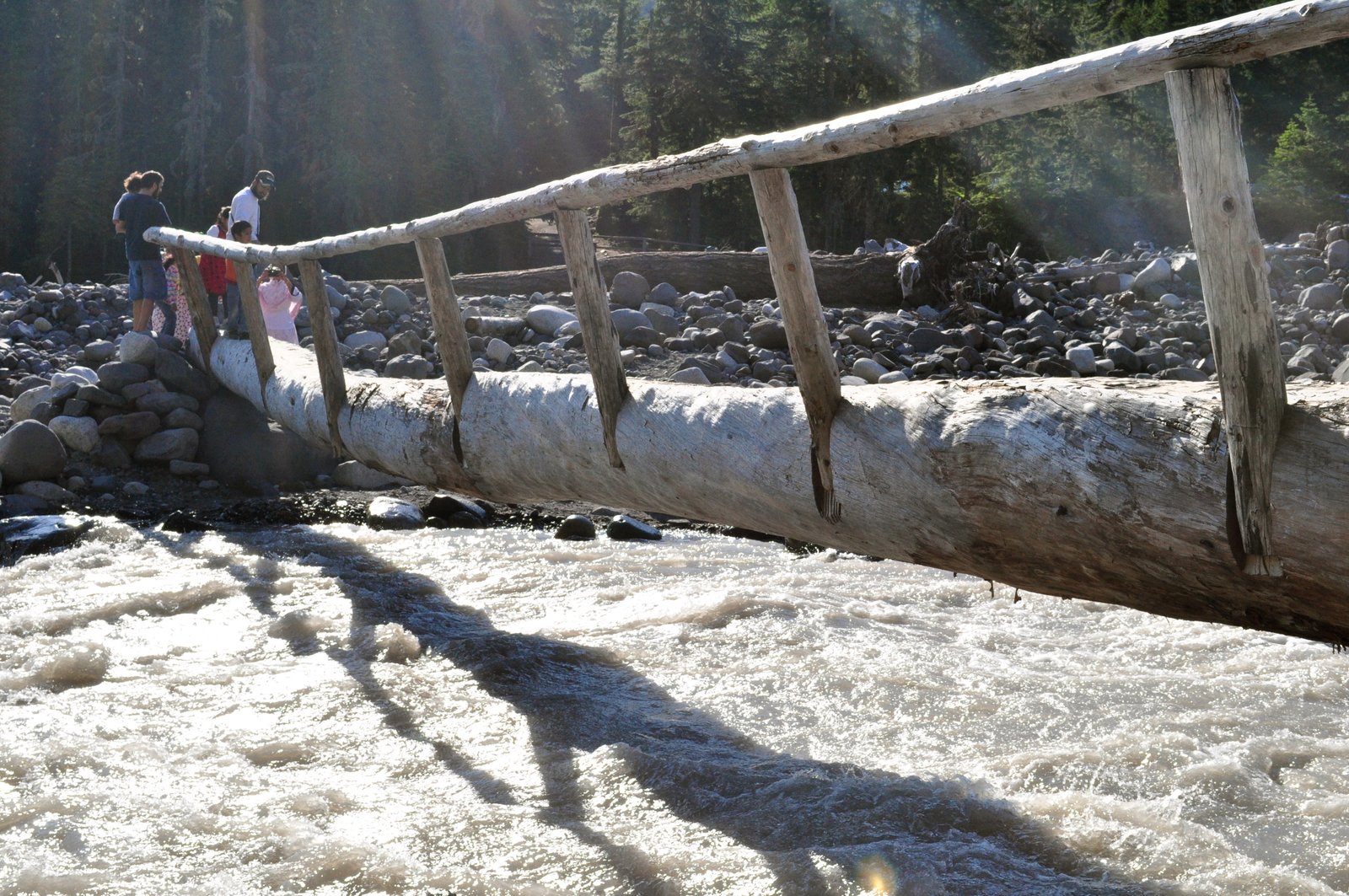
With this much cumulative descent and multiple unbridged or seasonally-bridged river crossings, trekking poles aren’t optional gear here, they’re a stability tool for both. See best trekking poles.
Navigation
Trail junctions are generally well signed, but bridge and crossing points shift as glaciers and rivers move, and a map and compass are standard backcountry practice regardless. A dedicated GPS device is a reasonable backup, particularly useful for confirming ford locations when a crossing has moved since your map was made. See best hiking GPS devices.
Cooking
Fires are prohibited at every backcountry camp on this trail, so a reliable canister stove is not a nice-to-have, it’s how you eat. See best backpacking stoves.
Bug protection
Peak mosquito season runs July into early August, worst in the meadow camps like Summerland and Indian Bar. A wearable head net is the simple fix, and our bug nets guide covers it: skip the pop-up screen shelters and go for a wearable option like the South to East Premium Mosquito Head Net.
Food storage
Every designated camp on this trail has a bear pole, wire, or box, so a hard-sided bear canister is not required here the way it is on some Sierra Nevada trails. It’s still worth considering if you want one less thing to think about at each camp, or if you’re carrying it anyway from another trip. See best bear canisters for multi-day hiking.
Extras: headlamp
A reliable headlamp is standard kit for any multi-day trail, and genuinely necessary here given how many days on this itinerary run into early starts or late finishes. See our best headlamps for hiking guide: a red-light mode and easy one-hand operation are the two things worth prioritising whenever you’re shopping.
Kit at a Glance
| Category | Our Pick | Why It Matters Here |
|---|---|---|
| Rain jacket | Best waterproof jackets | Rainier makes its own weather; conditions turn fast at altitude |
| Rain pants | Best rain pants for hiking | Wet brush and river spray soak legs regardless of jacket |
| Sleeping bag | Best down sleeping bags | High camps sit near freezing overnight even in August |
| Sleeping pad | Therm-a-Rest NeoAir XTherm NXT, R-value 7.3 | Ground cold dominates heat loss on rocky designated sites |
| Water filter | Best water filters for hiking | Glacial rivers run silty enough to clog filters fast |
| Footwear | Best waterproof hiking boots or trail running shoes | Constant elevation change and multiple river fords |
| Backpack | Best multi-day backpacks | 7 to 12 days between fixed resupply points |
| Tent | Best freestanding tents | Rocky, root-bound platforms at several designated camps |
| Insulated jacket | Best insulated jackets for hiking | Cold the moment you stop moving at camp |
| Trekking poles | Best trekking poles | Steep descents and unbridged river crossings |
| GPS device | Best hiking GPS devices | Crossing points shift as glaciers and rivers move |
| Stove | Best backpacking stoves | Fires prohibited at every backcountry camp |
| Bug head net | Best bug nets for camping | Peak mosquito season is July to early August |
| Bear canister | Best bear canisters for multi-day hiking | Optional; bear poles are provided at every camp |
| Headlamp | Best headlamps for hiking | Early starts and late finishes on the longer days |
What You Can Skip / Over-Packing Traps
A full bear canister setup. Unlike Sierra Nevada trails, every designated Wonderland Trail camp has a bear pole, wire, or box. Carrying a hard canister here is a personal choice, not a requirement, and it’s genuine extra weight over 9-plus days.
Camp shoes. With this much daily elevation change, most hikers regret the extra weight more than they enjoy the comfort. A pair of thin socks and less time on your feet at camp does the same job.
A full four-season tent. This is a summer-season trail. A solid 3-season freestanding tent handles everything from a warm August night to a surprise September squall without the weight of true winter gear.
Cotton anything. Standard multi-day advice, but worth repeating given how wet this trail’s brush and river spray can get: cotton stays wet and cold long after synthetics or wool have dried out.
Renting vs Buying
Whittaker Mountaineering, based in Ashford about six miles from the park’s Nisqually entrance, rents backpacking and mountaineering gear and will have it ready for pickup the evening before or morning of your trip, or shipped ahead if you’re flying in. Worth considering for bulky or expensive items you won’t use again soon, like a four-season-capable tent or a bear canister, rather than for boots or a pack you’ll want broken in and fitted to your own body before day one.
Final Thoughts
None of this kit matters if you haven’t broken it in before you’re three days from the nearest road. That is the real test of what to pack for the Wonderland Trail: run your full setup, river crossings and all, before you commit to a permit slot. For the full trail picture, go back to the Wonderland Trail guide, and for the broader gear logic behind these picks, see multi-day hiking gear: what you actually need. If you’re comparing this trip against another big Western US loop, our what to pack for the John Muir Trail guide covers a similar-length trip with a very different climate.
Frequently Asked Questions
Do I need trekking poles for the Wonderland Trail?
Yes. Between the constant steep descents and the unbridged or seasonally-bridged glacial river crossings, poles are a genuine stability tool here, not just a knee-saver. Most hikers who’ve done the full loop consider them non-negotiable.
Can I rent gear near the trailhead?
Yes. Whittaker Mountaineering in Ashford, close to the Nisqually entrance, rents backpacking and mountaineering gear and can have it ready for pickup before your start date, or ship it ahead of time.
What’s the one thing people forget?
Rain pants. Hikers pack a good rain jacket and then get soaked from the knee down by wet brush or river spray, which is just as miserable over multiple days.
How heavy should my pack be?
Aim for a base weight (everything except food, water, and fuel) in the 20 to 25 lb range for a 9 to 10 day itinerary. Given the daily elevation change, every extra pound costs more here than it would on a flatter trail.
