

Last updated: August 2026
Wild Trail Hiker is reader-supported. We may earn a commission when you buy through links on this page, at no extra cost to you. We only recommend gear we’d take on a multi-day trip ourselves.
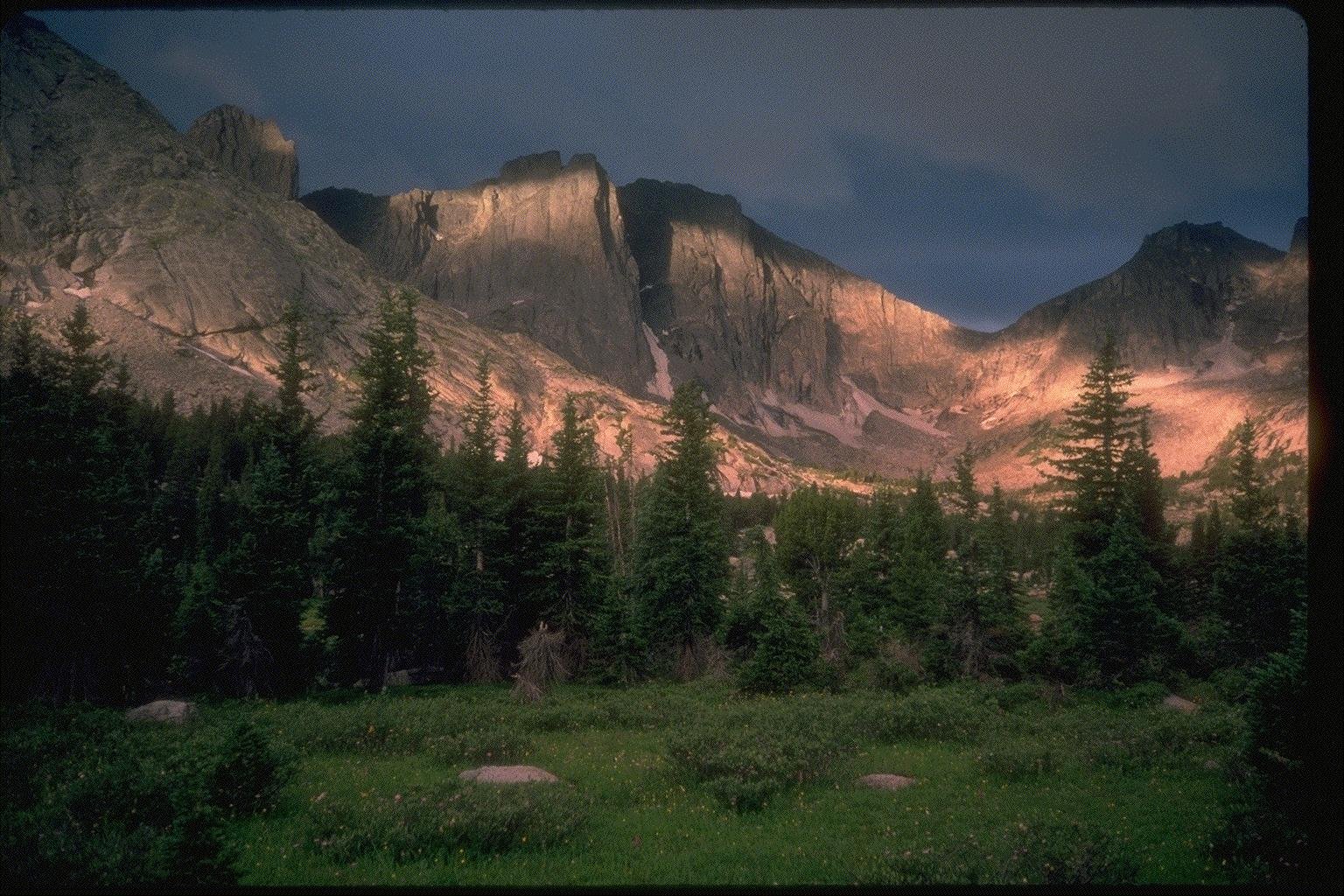
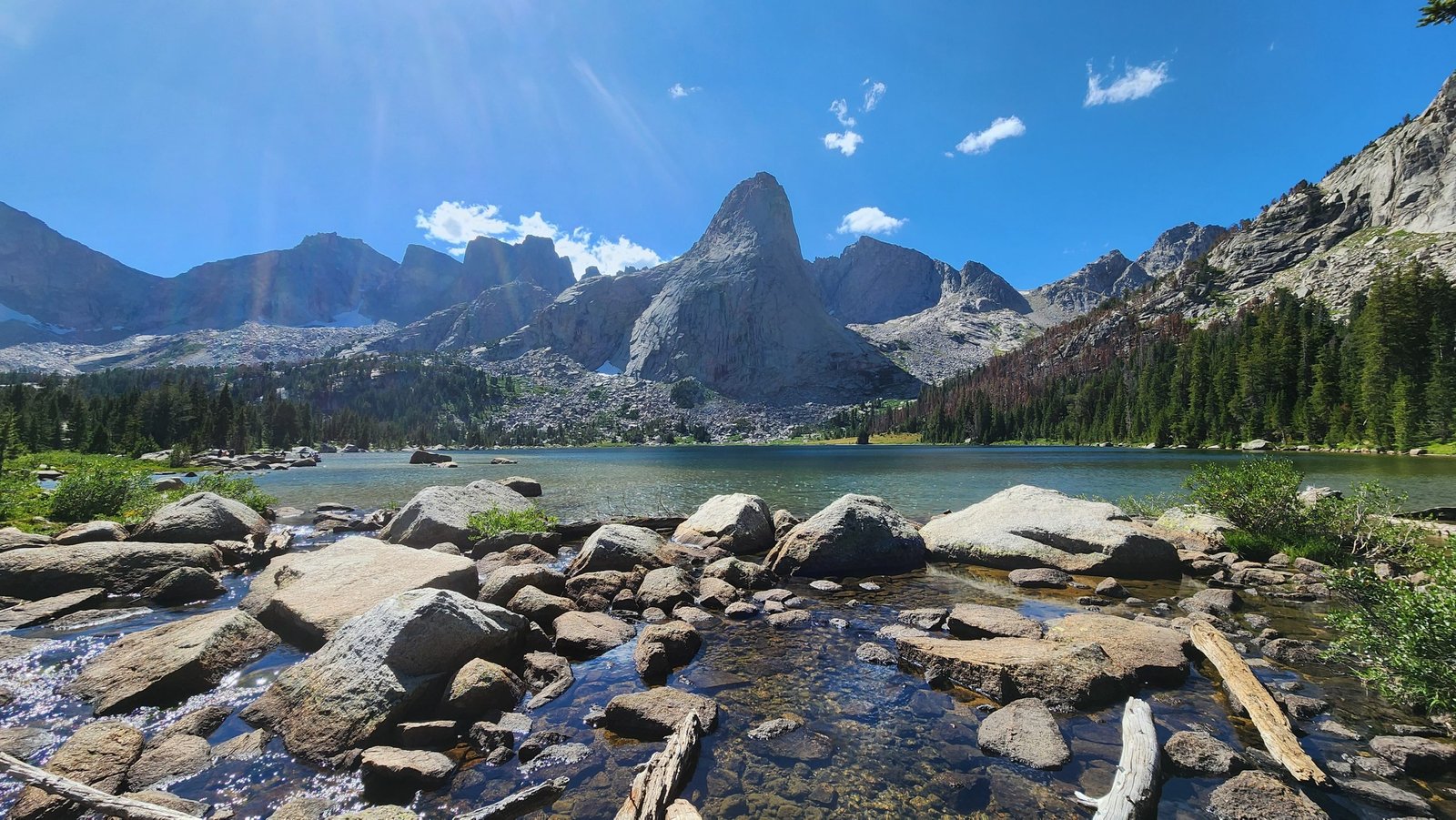
There is a point on Texas Pass, past 11,000 feet with the tread long gone underfoot, where you stop and the whole Cirque opens up below: Pingora’s spire, Wolf’s Head, War Bonnet, a full ring of granite around Lonesome Lake like the walls of an amphitheater built for this view. It is one of the great payoffs in the Lower 48, earned in about four miles of off-trail scree.
That is the trade this loop makes you accept. It needs no permit and no reservation, but it does need a hiker who has actually planned: a pass with no marked trail, sustained travel above 9,000 feet, nights below freezing even in August, and confirmed grizzly and black bear range. None of that is a reason to stay home. It is the reason this guide exists.
This is what to pack for the Cirque of the Towers Loop: the kit dialled for this specific route, not a generic three-season packing list. Still deciding whether to walk it? Start with the full Cirque of the Towers Loop guide for the route, water safety, and logistics. For the broader gear framework, see multi-day hiking gear: what you actually need.
Conditions That Drive Your Kit
| Factor | Cirque of the Towers reality |
|---|---|
| Distance and duration | About 24 miles, 2 to 4 days, most hikers take 3 days and 2 nights |
| Best season | Mid-July through mid-September, mid-August to mid-September is the sweet spot |
| Terrain | Well-graded trail on Days 1 and 3, genuine off-trail scree and talus over Texas Pass on Day 2 |
| Elevation | 9,100 to 11,500 feet the entire trip, nights below freezing even in summer |
| Weather | Afternoon thunderstorms are a real hazard on exposed passes, plan to be off high points by early afternoon |
| Water | Abundant, a near-continuous chain of lakes and streams, rarely more than a liter or two carried at a time |
| Remoteness | No cell signal past the highway, no ranger station on route, self-registration only |
Every pick below traces back to a line in this table. Full route and permit detail sits in the Cirque of the Towers Loop guide.
How This Kit Is Built
Everything here earns its place against the three things this loop throws hardest at a hiker: an off-trail pass with no marked tread, altitude that keeps nights below freezing all season, and confirmed grizzly country with a food storage order attached. Built from Bridger-Teton’s own guidance and the packing patterns of independent trip reports that have actually walked this route, cross-checked against gear-review authorities on specific product claims. Built for the loop first. Where the honest pick is not in our catalogue yet, it is named anyway.
The Kit, by Category
Navigation: the pass has no trail
Past Shadow Lake, the maintained trail ends and the route becomes a faint, cairn-marked line over scree toward Texas Pass, no cell signal to fall back on. This is the one category where one tool is the wrong call.
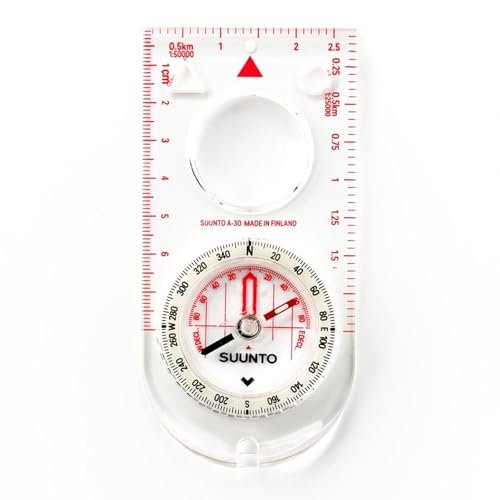
A compass and paper topo map are the battery-free base layer. The Suunto A-30 NH USGS Compass is a straightforward baseplate compass built for this kind of map work.
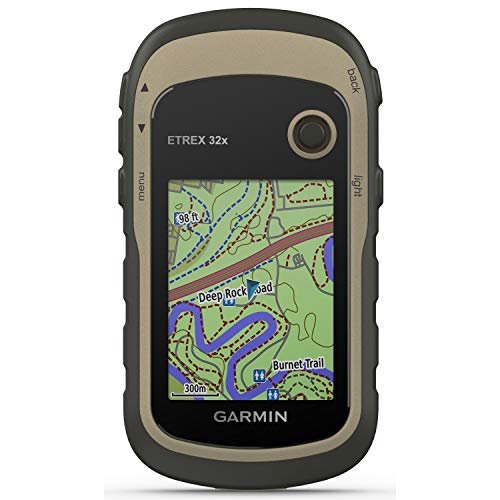
Pair it with a GPS device as the second layer, not a replacement. The Garmin eTrex 32x holds a preloaded track and confirms position when the cairns thin out in low cloud, more often than trip reports mention.
Download offline maps before losing signal on the drive in, and carry a real paper map of the range (Beartooth Publishing or Earthwalk Press both cover the Winds).
Bear safety and food storage: confirmed grizzly country
Both black bears and grizzly bears range through this part of the Wind River Range, and Bridger-Teton National Forest has an active food storage order covering the Pinedale Ranger District. Bear spray and proper food storage are not optional here.
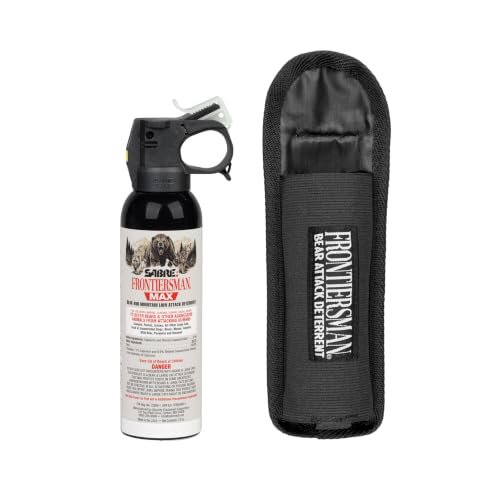
Carry bear spray reachable in three seconds, not buried in a pack lid. The SABRE Frontiersman MAX 7.9 oz Bear & Mountain Lion Spray is a genuine EPA-registered deterrent sized to clip on a hip belt.
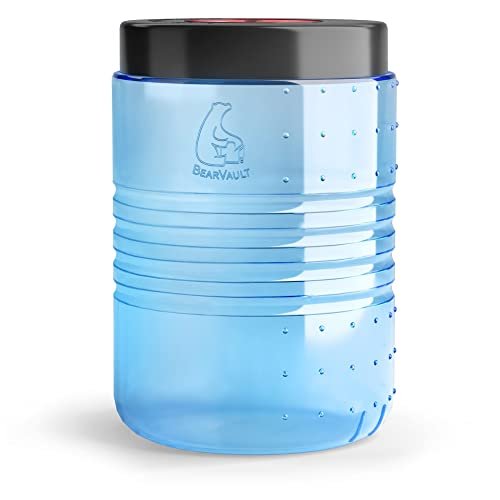
The order allows a canister, an Ursack, or a proper hang, but the Cirque sits above treeline with nothing to hang from, so a hard-sided canister is the practical choice. The BearVault BV500 Journey is proven and IGBC-approved.
Marmots are the other camp risk, chewing packs and tents for a whiff of food. Pack a couple of zip-top bags for scraps and trash, cheap insurance against both.
Sleep system: cold ground, colder mornings
This loop sits above 9,000 feet for its entire length, and nights drop below freezing even in peak summer. A sea-level three-season bag is not built for a Texas Pass camp.
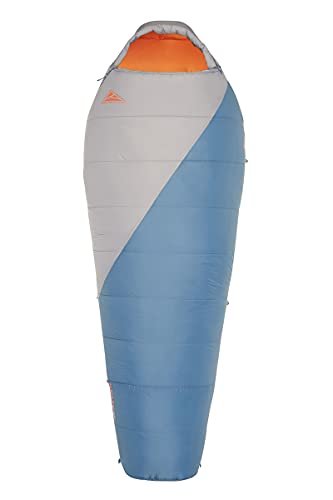
Go with a bag rated to 20°F or colder. The Kelty Cosmic Synthetic 20 Degree matches what Wind River operators recommend for a summer trip here, and synthetic fill keeps performing if a storm gets your gear damp.
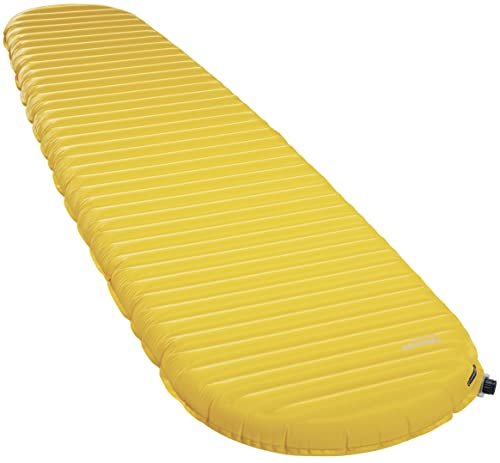
The mat matters just as much. Cold ground pulls heat out faster than cold air, and the rocky camps here are not forgiving of a thin pad. The Therm-a-Rest NeoAir XLite NXT, R-value 4.5, is the benchmark three-season backcountry pad with real margin at this elevation.
Hiking the colder shoulder weeks in late June or early September? The Therm-a-Rest NeoAir XTherm NXT (R-value 7.3) is worth the extra weight.
Footwear: built for scree, not just trail
Days 1 and 3 are well-graded trail. Day 2 is scree, talus, and boulder-hopping over Texas Pass and near Jackass Pass, terrain that rewards ankle support and grip over a soft-soled shoe.
A sturdy mid-height boot with a Gore-Tex membrane is the safer default. The Salomon X Ultra 5 Mid GTX balances support and weight well for a trip with one technical day sandwiched between two easy ones.
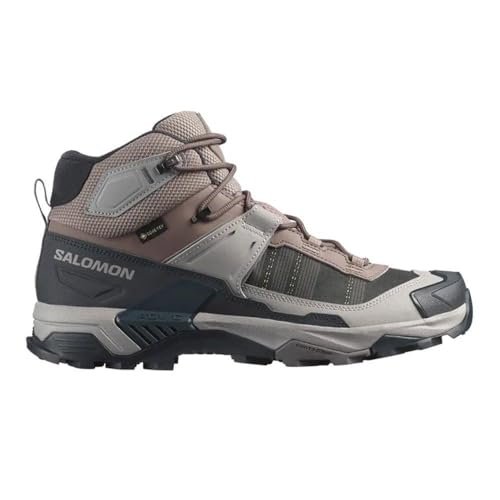
Break them in before Pinedale. New boots on the Texas Pass descent, loaded pack over loose rock, is exactly how a trip ends early.
Trekking poles: earn their keep on both passes
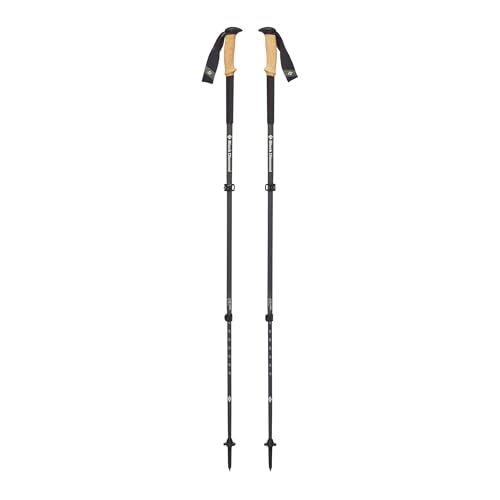
Poles matter on the Texas Pass climb for balance on loose rock, and matter more on the descent, where a loaded pack and scree underfoot make a slip genuinely possible. The Black Diamond Alpine Carbon Cork holds up well over rocky, technical terrain like this loop’s signature day.
Water treatment: light carry, but never skip it
Water is abundant here, so a 1 to 2 liter carry is normally enough, except the final push to Texas Pass, where sources thin out; top up at Texas Lake before the climb.
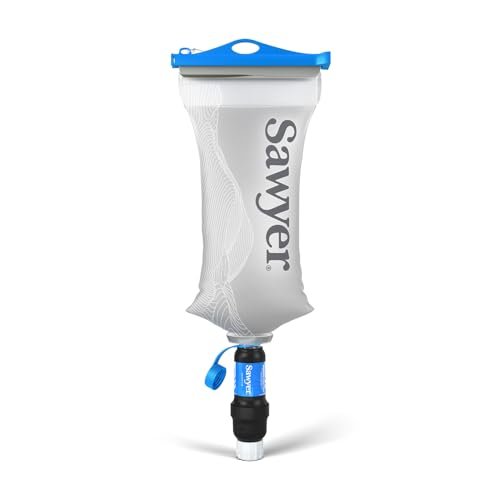
Treat everything regardless, given the heavy stock and hiker traffic on this corridor. The Sawyer Squeeze threads onto standard bottles, handles years of use, and is light enough that weight is a non-issue here.
One hard rule: never draw water from Lonesome Lake or its outlet, treated or not. A 2022 EPA survey found it among the most fecally contaminated lakes tested nationwide.
Warm layers: the temperature falls fast after dark
Daytime at 10,000 feet can be genuinely warm. An hour after the sun drops behind the peaks, it is a different trip. Pack an insulated jacket for camp, a beanie, and light gloves for the pre-dawn Day 2 start.
The North Face ThermoBall Eco Jacket 2.0 keeps warming even damp from condensation or a shower, a real advantage given how regular afternoon storms are here.

Rain and wind shell: passes and afternoon storms do not mix
Afternoon thunderstorms build reliably in the Winds, and being caught on an exposed pass in one is a real hazard. A proper waterproof, windproof shell earns its weight here.
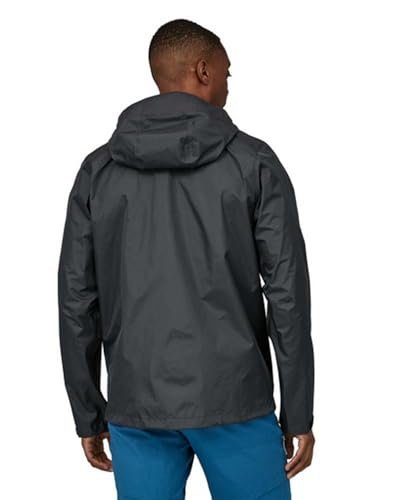
The Patagonia Torrentshell 3L Rain Jacket gives genuine three-layer protection without the weight or price of an expedition shell, the right balance for a 2 to 4 day trip.
Sun protection: exposed rock, thin air, strong UV
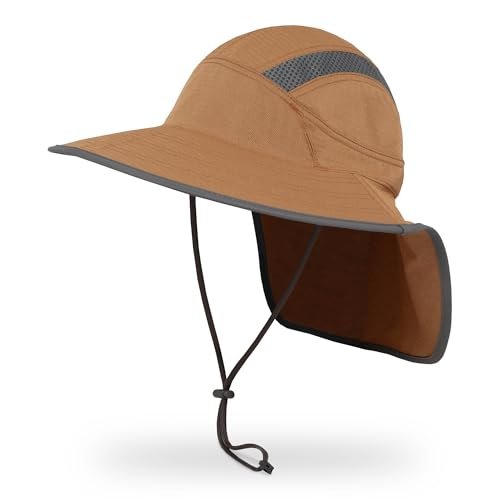
Above 9,000 feet with open granite and no tree cover, UV exposure runs higher than temperature suggests. A wide-brim hat covers ears and neck a cap leaves bare.
The Sunday Afternoons Ultra Adventure Hat is UPF 50, folds flat for packing, and stays put in the wind that funnels over both passes.
Round it out with UV-filtering sunglasses and sunscreen. Neither is optional at this elevation.
Bug protection: seasonal, but real if you go early
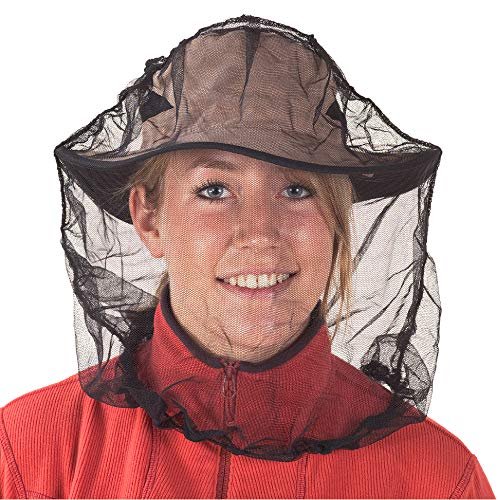
Mosquitoes peak mid-June through mid-July here, tapering off by August, why this guide’s recommended window leans later. Hiking the earlier shoulder weeks? A head net earns its weight fast.
The Sea to Summit Mosquito Head Net is built to wear on the move and at camp, unlike a pop-up screen shelter that only helps once you are already stopped.
Backpack: room for a canister and two to three nights
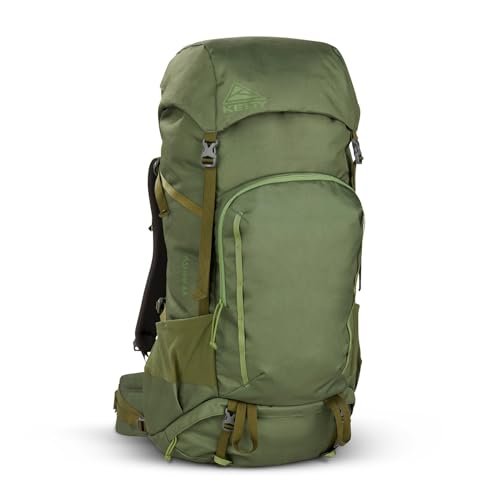
Add a hard-sided canister to two to three nights of gear, and a 50 to 65 liter pack with a real hip belt is the sweet spot. The Kelty Asher 65L carries that load onto the hips, which matters on the Texas Pass climb.
Shelter: rocky ground, real wind
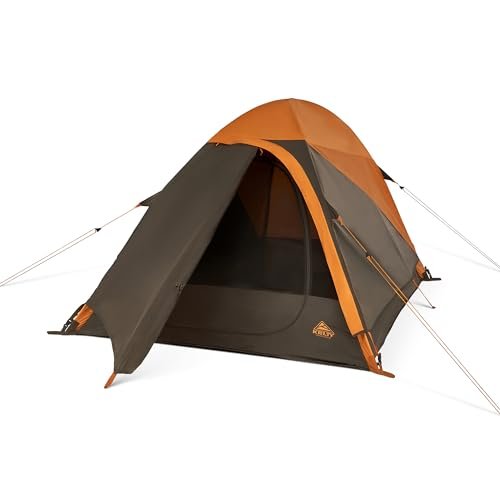
Camps here sit on rocky, wind-exposed ground where a staked-only shelter can struggle to bite. The Kelty Grand Mesa 2P sets up fast and stands freestanding where the ground will not hold a stake.
Cooking and emergency communication
No campfires in the Cirque, so a small gas canister stove is essential (fuel is easy to buy in Pinedale). With no cell signal past the highway, a PLB or satellite messenger is worth carrying, especially solo. This is a safety purchase, not an affiliate pick: buy or hire one you trust, register it, and pair it with a first aid kit.
Kit at a Glance
| Category | Our Pick | Why It Matters Here |
|---|---|---|
| Compass | Suunto A-30 NH USGS Compass | Battery-free backup for the off-trail Texas Pass stretch |
| GPS device | Garmin eTrex 32x | Confirms position when cairns thin out |
| Bear spray | SABRE Frontiersman MAX 7.9 oz | Confirmed grizzly and black bear range |
| Food storage | BearVault BV500 Journey | Meets the Pinedale food storage order |
| Sleeping bag | Kelty Cosmic Synthetic 20 Degree | Matches guidance for below-freezing nights |
| Sleeping pad | Therm-a-Rest NeoAir XLite NXT | R-4.5, real margin on cold, rocky camps |
| Boots | Salomon X Ultra 5 Mid GTX | Ankle support and grip for Texas Pass scree |
| Trekking poles | Black Diamond Alpine Carbon Cork | Balance on loose rock, both directions |
| Water filter | Sawyer Squeeze | Light, reliable, water is abundant here |
| Insulated jacket | North Face ThermoBall Eco Jacket 2.0 | Keeps warming even damp |
| Rain shell | Patagonia Torrentshell 3L | Afternoon storms are a real pass-day hazard |
| Sun hat | Sunday Afternoons Ultra Adventure Hat | UPF 50 for exposed, treeless high ground |
| Head net | Sea to Summit Mosquito Head Net | Worth it before the bugs ease off |
| Backpack | Kelty Asher 65L | Room and hip-belt support for a canister |
| Shelter | Kelty Grand Mesa 2P | Freestanding for rocky, hard-to-stake camps |
What You Can Skip / Over-Packing Traps
Plenty of hikers carry weight up Texas Pass that never earns its place.
A heavy four-season mountaineering tent is not needed. Wind and cold are the issue, not snow loading, so a sturdy three-season freestanding tent handles this loop fine outside an early or very late season attempt.
Nor is a full water supply from the trailhead. With lakes and streams strung along almost the entire route, a 1 to 2 liter carry is normally enough, the one exception being the final push to Texas Pass.
Skip the ice axe and crampons too, for a standard mid-July through mid-September trip. They only earn their place on an early-season attempt with lingering pass snow, a different, more serious trip than this guide covers.
And skip brand-new, untested boots. Sole-peel and blisters are the most common reason hikers cut this loop short, and the fix is simple: walk them in at home first.
Renting vs Buying
A hard-sided bear canister is worth renting rather than buying for a one-off trip. The Pinedale Ranger District office rents approved canisters for a small donation, a sensible option if you are not planning more canister-required trips elsewhere.
Final Thoughts
Get the big things right on what to pack for the Cirque of the Towers Loop, navigation for the off-trail pass, warmth off cold ground, and proper food storage in confirmed bear country, and the Cirque of the Towers stops being a logistics puzzle and becomes the two to four days people plan years around. When your kit is sorted, plan the route with the full Cirque of the Towers Loop guide, and back up your gear logic with multi-day hiking gear: what you actually need. For two more short, high-reward alpine loops, see our Teton Crest Trail packing list and Four Pass Loop packing list.
Frequently Asked Questions
Do I need a bear canister for the Cirque of the Towers Loop?
A canister, an Ursack, or a proper hang all satisfy the Bridger-Teton food storage order here. In practice, a hard-sided canister is simplest, since much of the route, including the Cirque itself, sits above treeline with nothing to hang food from. Canisters can be rented in Pinedale.
What is the one thing people forget when packing for the Cirque of the Towers Loop?
A second layer of navigation. Hikers plan for the scenery and forget Texas Pass has no marked trail and no cell signal. A paper map and compass plus a GPS device or offline maps is the right setup, not a phone alone.
How warm a sleeping bag do I need?
Rated to 20°F or colder. This loop sits above 9,000 feet throughout, and nights drop below freezing even in peak summer. Pair it with an insulated pad, R-value 4 or higher, since cold, rocky ground pulls heat out of an underinsulated sleeper fast.
Can I hike this loop in trail runners instead of boots?
Fit, experienced hikers do, but Day 2’s off-trail scree over Texas Pass rewards ankle support and grip more than a lightweight shoe does. If you go with trail runners, make sure they are well broken in, and treat poles as non-negotiable either way.
