

Last updated: September 2026
Wild Trail Hiker is reader-supported. We may earn a commission when you buy through links on this page, at no extra cost to you. We only recommend gear we’d take on a multi-day trip ourselves.
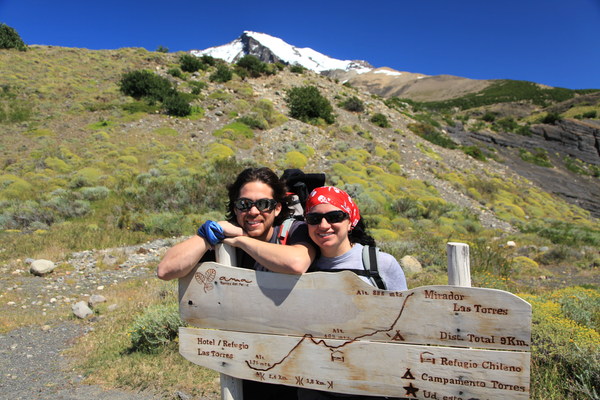
There is a moment near the top of John Gardner Pass, lungs burning from the climb, when the trail crests and the Southern Patagonian Ice Field opens up below you: Grey Glacier spilling toward the horizon, one of only two continental ice sheets left outside Antarctica. It is the payoff for eight days of walking, and for the one climb that makes the whole circuit’s difficulty rating earn itself.
Getting to that view in one piece, and staying reasonably comfortable for the seven nights either side of it, means packing for what Patagonia actually does to hikers, not a generic multi-day checklist. Wind here regularly hits 80 to 100 km/h. Camps at Los Perros and Grey sit close to freezing even in the middle of summer. Water that official guidance calls safe to drink carries a real giardia risk from invasive beavers in the larger watercourses. What to Pack for the Torres del Paine O Circuit is the kit dialled for those conditions, not a copy-paste packing list built for a calmer trail.
If you are still deciding whether the O Circuit is the right trip, start with the full Torres del Paine O Circuit guide for the day-by-day route, the booking rules, and the two-operator reservation system. For the wider system behind these gear calls, see Multi-Day Hiking Gear: What You Actually Need.
Conditions That Drive What to Pack for the Torres del Paine O Circuit
| Factor | Torres del Paine O Circuit reality |
|---|---|
| Distance and duration | Roughly 120 km / 75 miles, standard reservation pattern is 8 days / 7 nights |
| Best season | November to March, with the Serón-to-Grey backcountry sector open on a shorter window than the W Trek |
| Terrain | Open steppe, beech forest, glacial lakeshore, one high alpine pass with snowfield and scree |
| Wind | Sustained gusts of 80 to 100+ km/h are routine, not a worst-case forecast |
| Temperature | 15 to 20°C daytime highs in summer, dropping to 5 to 7°C overnight, colder again at Los Perros and Grey |
| Water | Abundant throughout, but mixed safety guidance: officially drinkable, with documented giardia risk from invasive beavers in larger watercourses |
| Regulations | Every night pre-booked across two separate operators, no camping outside the reserved system |
Every pick below traces back to a line in this table. Full permit, itinerary, and route detail sits in the Torres del Paine O Circuit guide.
How This Kit Is Built
This list is built from Vértice Patagonia’s own equipment guidance, cross-referenced against independent O Circuit trip reports from hikers who walked it self-supported. It is built for the trail first. Three things make or break a kit here: staying warm at Los Perros and Grey after a hot open-steppe day, keeping a loaded pack stable in genuinely dangerous wind, and rain gear that has actually been tested in sideways weather, not just a light shower. Those get the deep treatment below. The rest still matters and gets a clear pick.
Backpack: The 60 to 75L Question
Vértice Patagonia’s own guidance calls for a 60 to 70 litre pack if you are carrying a full camp kit for all seven nights, and that matches what independent O Circuit hikers report packing. This is not a trail where you can undersize the pack and strap the overflow on the outside. A loose, poorly balanced load in an 80 km/h crosswind on an exposed section is a genuine stability problem, not just a comfort one.
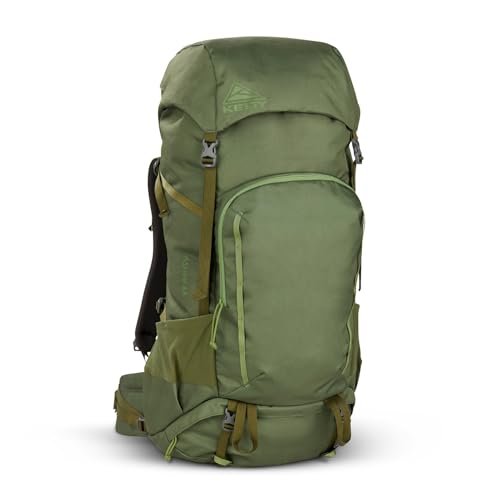
For most hikers self-carrying the full circuit, the Kelty Asher 65L covers the sleeping bag, insulated pad, food for seven days, and cold-weather layers without running out of room.
Check Price on Amazon | Compare backpacks
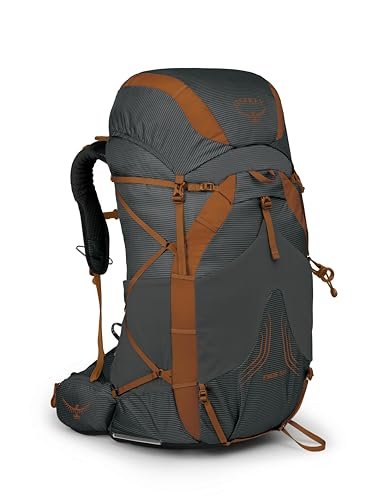
If you are booking a lighter, refugio-supported itinerary, or renting a tent and sleeping bag at the Vértice or Las Torres campsites instead of carrying your own, the Osprey Exos 58 is the better call. It carries less bulk while still holding up under real wind, and its ventilated back panel is a genuine advantage on the open, sun-exposed steppe days.
Check Price on Amazon | Compare ultralight backpacks
Sleep System: Warm Enough for Near-Freezing Camps
The temperature swing here catches people out. A 15 to 20°C afternoon on the steppe gives no warning that Los Perros and Grey regularly sit near 0°C overnight, even in January. Independent trip reports consistently recommend a sleep system rated warmer than freezing regardless of the season.
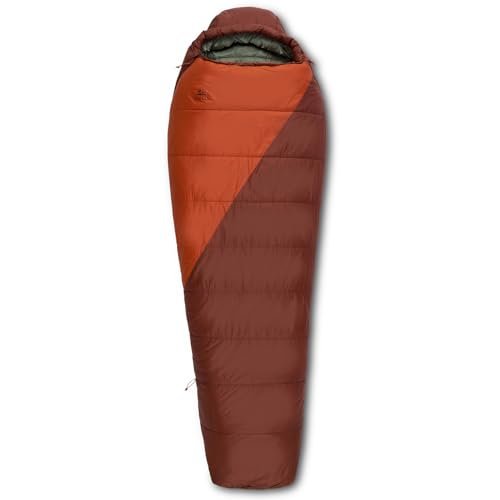
For the bag, the Kelty Cosmic Synthetic 0 Degree gives real margin for the cold camps without the packed bulk becoming unmanageable inside a 65L pack. Synthetic fill also copes better with the damp that comes from pitching in wind-driven drizzle, which is a routine occurrence here, not a rare one.
Check Price on Amazon | Compare sleeping bags
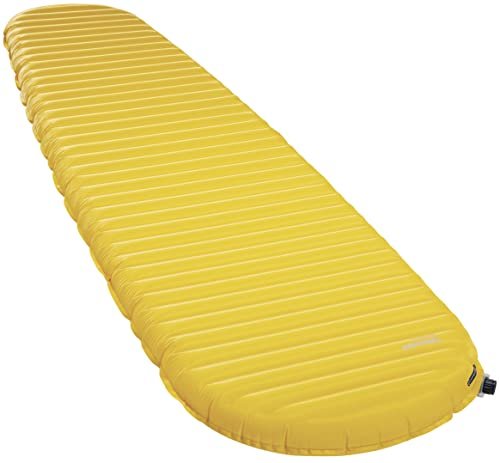
The pad matters just as much. Cold ground at Los Perros and Grey pulls heat out of you fast, and this is one category where a budget camping pad genuinely is not enough. The Therm-a-Rest NeoAir XLite NXT carries a 4.5 R-value at around 340g, the benchmark three-season number for exactly this kind of near-freezing, wind-exposed camp.
Check Price on Amazon | Compare insulated sleeping pads
Wind and Rain Shell: The Gear Patagonia Actually Tests
Vértice’s own equipment guide is blunt about this: you must have a waterproof jacket and pants, and general “water-resistant” gear does not qualify. Patagonian wind drives rain sideways and finds every weakness in a jacket’s seams and hood, and hikers who show up with a fair-weather shell are the ones who get genuinely cold on the John Gardner Pass descent.
A genuinely storm-rated shell, not a summer-hike windbreaker, is the standard here. See Best Waterproof Jackets for the current picks.
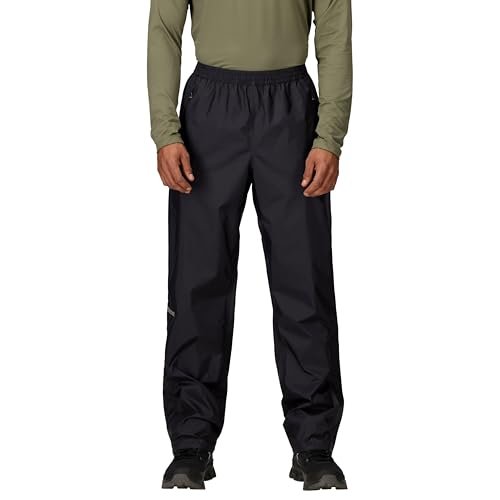
For the legs, most hikers skip rain pants and regret it the first time a full day of steady rain runs down into their boots. The Marmot PreCip Eco Rain Pant is a genuine waterproof hiking pant with full-length side zips, so you can pull it on over boots without stopping to fully undress mid-trail.
Check Price on Amazon | Compare rain pants
Trekking Poles: Not Optional Here
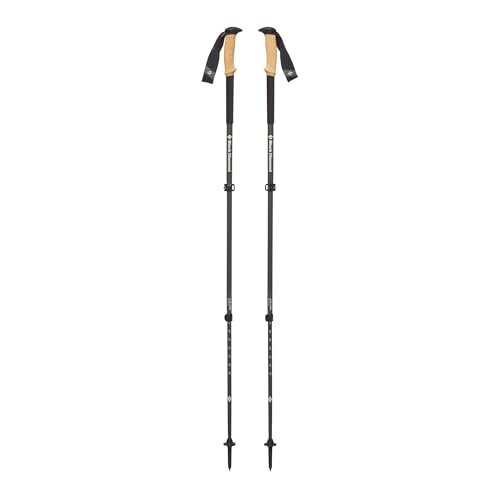
Independent operator guidance and trip reports agree on this in a way they do not always agree on other gear: trekking poles are close to mandatory on the O Circuit, and not primarily for the terrain. A loaded pack in sustained crosswind needs a third and fourth point of contact, and poles do double duty pitching some ultralight tent setups at exposed sites. The Black Diamond Alpine Carbon Cork holds up over the full eight days and adjusts fast for the John Gardner Pass climb and descent.
Check Price on Amazon | Compare trekking poles
Footwear
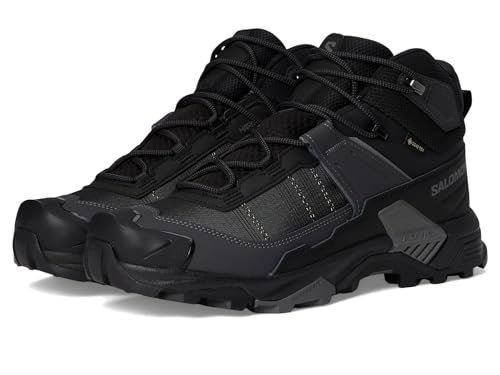
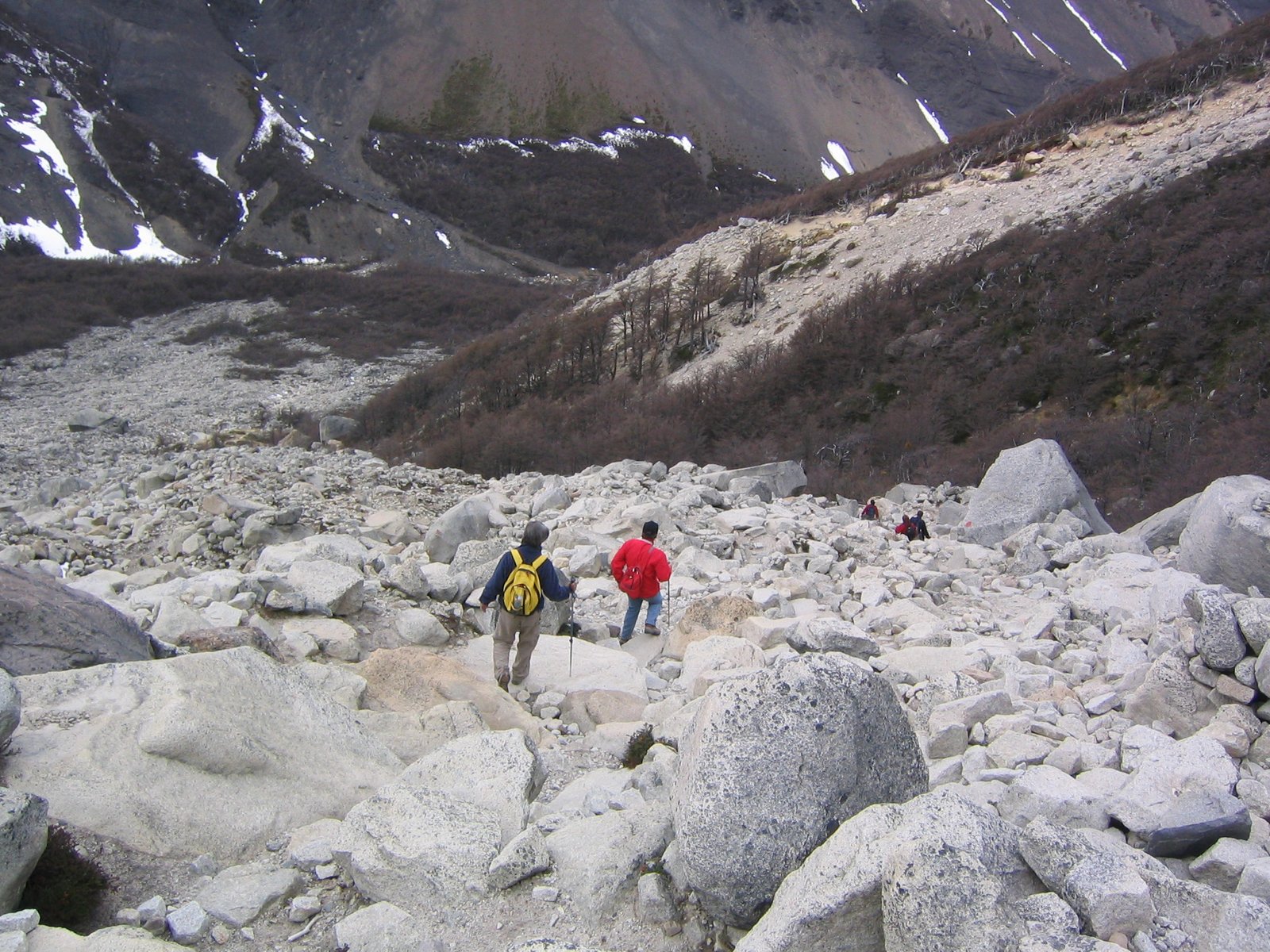
Vértice’s own guidance calls for waterproof, high-cut boots specifically for ankle support, not a low trail shoe, and this is one of the more emphatic points in their equipment guide. The terrain mixes open steppe, muddy forest trail, and loose scree on the pass, and a rolled ankle eight days from a road is a serious problem, not an inconvenience. The Salomon X Ultra 5 Mid GTX pairs a genuine Gore-Tex membrane with a mid-height cuff, giving real ankle support once the pack is loaded for a multi-day carry.
Check Price on Amazon | Compare waterproof hiking boots
Pack a pair of light sandals or camp shoes too, for showers at the serviced sites and for giving your feet a break at the end of each day.
Water Treatment
This is a genuinely mixed picture, worth being honest about rather than picking a side. Vértice’s own guidance says water away from campsites is drinkable and a filter is unnecessary. Independent research for the destination guide found a more cautious picture: Torres del Paine has an established invasive beaver population, and giardia has been documented in hikers who drank untreated water from larger, more heavily trafficked watercourses.
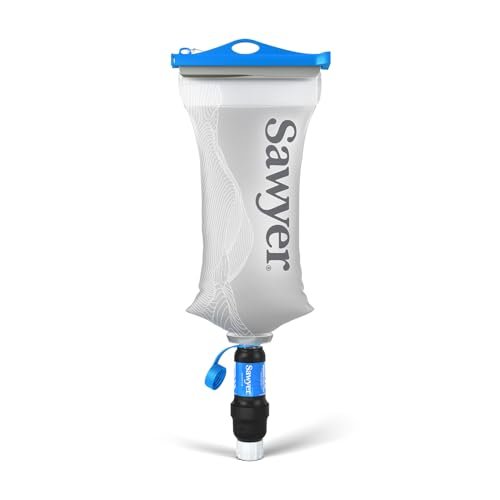
The practical middle ground most experienced hikers land on is drawing from small, fast-flowing tributaries well away from campsites and the main river system, and treating anything drawn from a larger or slower source. A lightweight filter removes the ambiguity entirely for very little weight penalty. The Sawyer Squeeze is the straightforward pick: light, field-cleanable, and proven on exactly this kind of clear, fast-moving alpine water.
Check Price on Amazon | Compare water filters
Carry at least one 1-litre bottle; Vértice’s own guidance suggests 750ml to 1L is enough given how frequent sources are, but a second bottle is cheap insurance on the open steppe days.
Warm Layers, Sun Protection, and Extras
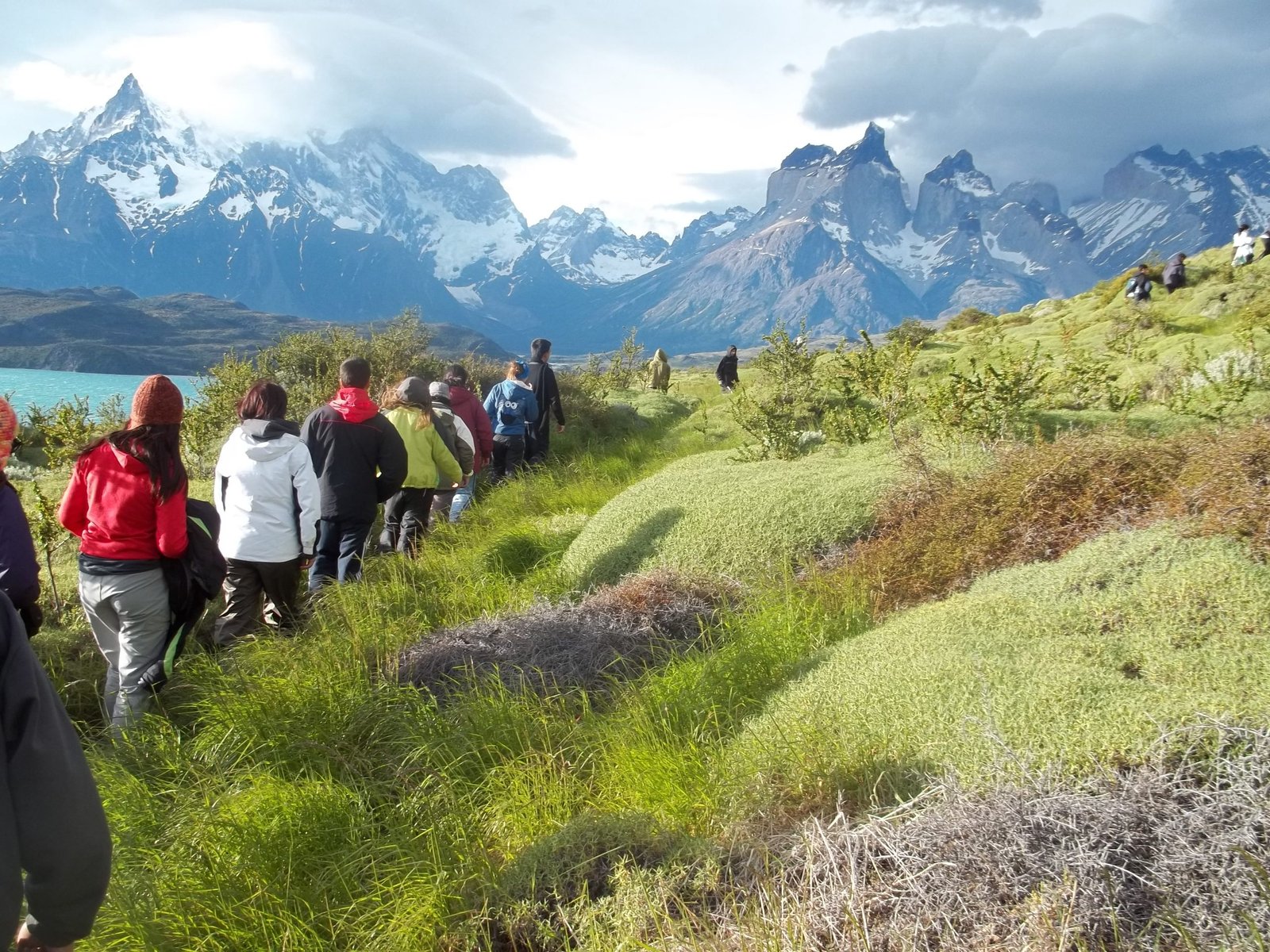
Insulated midlayer: a fleece or synthetic puffy is standard kit here per every operator source, worn under the rain shell once the wind picks up. See Best Insulated Jackets for Hiking for current picks.
Gloves, warm hat, and a buff: all four seasons genuinely do show up in one day here. A wind-resistant hat that covers the ears, a pair of gloves, and a buff or neck gaiter for face protection on the exposed sections are standard kit on every operator packing list.
Sun protection: the Patagonian sun is stronger than the wind and cold might suggest. Sunglasses, a cap or wide-brim hat, lip balm, and SPF 30+ sunscreen are all named directly in Vértice’s own equipment guide. See Best Sun Hats for Hiking and Best Sunglasses for Hiking.
Navigation and backup communication: the trail is well-marked, but whiteout on John Gardner Pass is exactly when “well-marked” stops being reliable, and cell coverage is nonexistent for most of the route. A basic GPS device as backup is worth the weight. See Best Hiking GPS Devices. A satellite messenger is a good idea on a trail this remote; per the site’s standing rule, that stays a recommend-and-buy-direct category, not an affiliate link.
Keeping everything dry: pack a liner or dry bags and keep your sleep system and spare clothing sealed inside your backpack regardless of the day’s forecast, per Vértice’s own advice. See Best Dry Bags for Hiking.
Headlamp: early starts ahead of the John Gardner Pass crossing and the pre-dawn Base Torres sunrise hike both call for one. See Best Headlamps for Hiking.
Mini-crampons (shoulder season only): Vértice’s own guide lists mini crampons alongside trekking poles for stability, relevant mainly to hikers attempting the pass in November or March when snow can still linger. See Best Microspikes for Hiking if your dates fall at either edge of the season; skip it entirely for a December to February hike.
Kit at a Glance
| Category | Our Pick | Why It Matters Here |
|---|---|---|
| Backpack (full self-carry) | Kelty Asher 65L | Fits camp kit and food for all 7 nights |
| Backpack (lighter/rental-supported) | Osprey Exos 58 | Ventilated and stable for a shorter carry |
| Sleeping bag | Kelty Cosmic Synthetic 0 Degree | Margin for near-freezing nights at Los Perros and Grey |
| Sleeping pad | Therm-a-Rest NeoAir XLite NXT | R-value 4.5, cold ground insurance |
| Rain pants | Marmot PreCip Eco Rain Pant | Full waterproofing, on/off over boots |
| Trekking poles | Black Diamond Alpine Carbon Cork | Stability in sustained high wind |
| Boots | Salomon X Ultra 5 Mid GTX | Ankle support and genuine waterproofing |
| Water filter | Sawyer Squeeze | Peace of mind against documented giardia risk |
What You Can Skip / Over-Packing Traps
You do not need four-season mountaineering gear. The wind and cold are real, but nothing on the O Circuit is a winter ascent, so a solid three-season sleep system and shell cover it, mini-crampons excepted at the shoulder-season edges.
You also do not need to carry a week of water capacity. Sources are frequent along the entire route, Vértice’s own guidance says a single 1-litre bottle is enough, and the “carry extra for a long dry stretch” problem that shows up on drier trails simply does not apply here.
Skip the heavy dedicated camera kit unless photography is the actual point of your trip. The wind and rain make gear changes miserable on exposed sections, and a phone or a compact weatherproof camera handles the conditions with far less to protect and dry out each night.
Renting vs Buying
If you don’t want to fly with a full camping setup, both Vértice Patagonia and Las Torres Patagonia let you add a tent, sleeping bag, and mat to your campsite reservation, and independent rental shops in Puerto Natales rent full kits by the day. That’s a genuinely reasonable option for a first Patagonia trip, or if checked-baggage weight is already tight. Frequent multi-day hikers will find a proper cold-and-wind kit pays for itself within a couple of trips.
Final Thoughts
Pack for the conditions this trek actually throws at you: sustained wind that turns a weak pack or a fair-weather shell into a real problem, and cold camps that a hot steppe afternoon gives you no warning about. Start with Multi-Day Hiking Gear: What You Actually Need if you’re still building your base system, and read the full Torres del Paine O Circuit guide for the itinerary, permits, and booking chain. If the appeal here is genuine backcountry commitment on a similar scale, our What to Pack for the Cirque of the Towers Loop and What to Pack for the Long Range Traverse guides cover a similar level of self-sufficiency on very different terrain and budget.
Frequently Asked Questions
Do I need a waterproof jacket AND rain pants for the O Circuit?
Yes. Vértice Patagonia’s own equipment guidance is explicit about this: a genuinely waterproof jacket and pants are required, not water-resistant substitutes. Sustained rain driven by 80 to 100 km/h wind will find any gap a lighter setup leaves, and a soaked pair of hiking pants on an exposed day is a real cold-injury risk, not just discomfort.
Can I rent camping gear near the trailhead?
Yes. Both Vértice Patagonia and Las Torres Patagonia let you add a tent, sleeping bag, and sleeping mat to your campsite booking, and independent rental shops in Puerto Natales rent full kits by the day. This is a practical option if you don’t want to fly with camping equipment or are unsure about investing in cold-weather gear you may not use often.
Do I need a water filter if the park says the water is safe to drink?
It is worth carrying one anyway. Official guidance says water away from campsites is drinkable, but Torres del Paine has an invasive beaver population and documented giardia cases from untreated water in larger watercourses. A lightweight filter like the Sawyer Squeeze removes the ambiguity for very little added weight.
What’s the one thing people underpack for the O Circuit?
Warmth for the camps, not the daytime hiking. A 15 to 20°C afternoon on the open steppe gives no indication that Los Perros and Grey drop close to freezing overnight. Pack your sleep system for the cold camps, not the pleasant afternoon you just walked through.
